Overview of Seed of Chucky
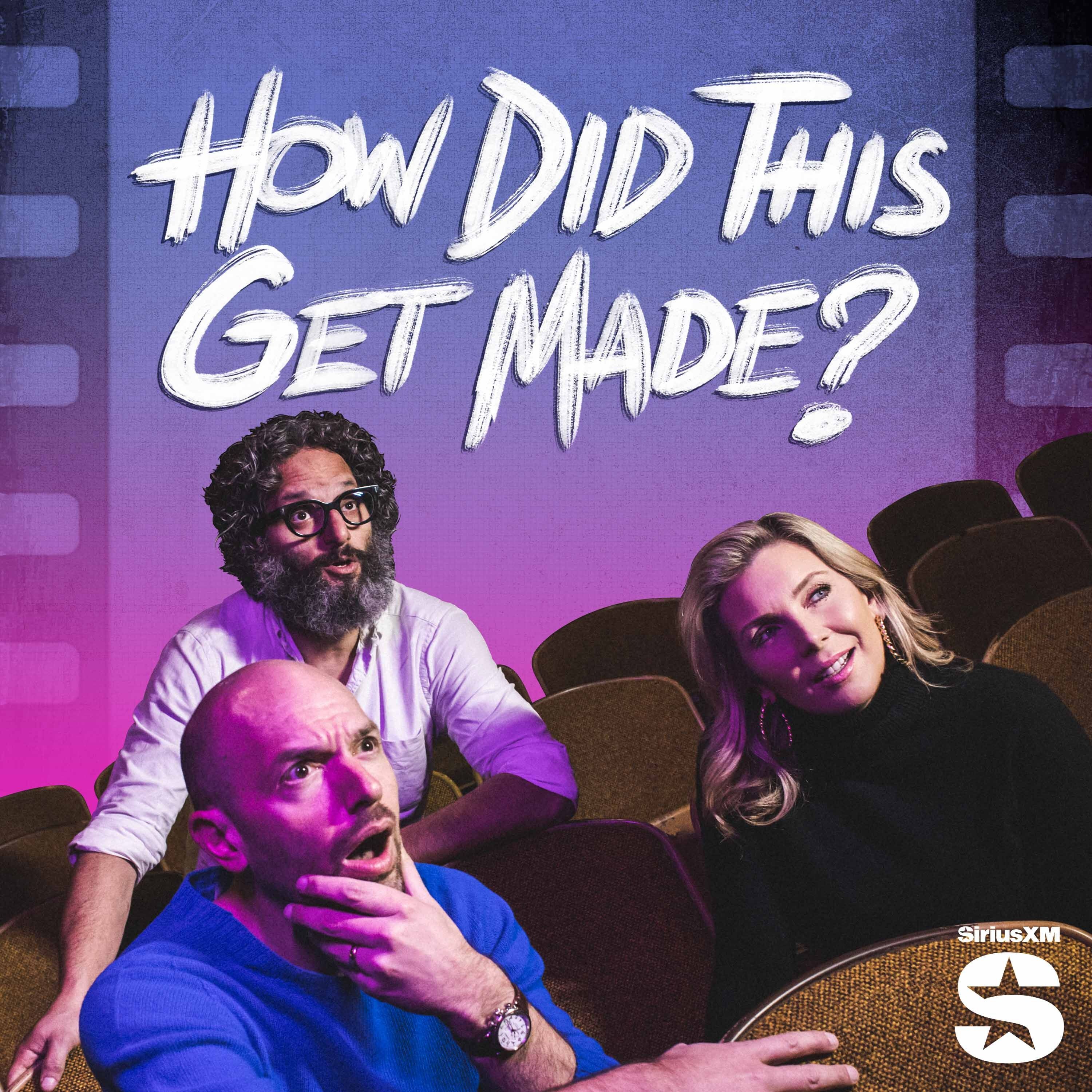
In this How Did This Get Made? episode, Paul Scheer, June Diane Raphael, and Jason Mantzoukas close out spooky season by dissecting the fifth Child’s Play film, Seed of Chucky (2004). The conversation is part plot breakdown, part franchise lore dive, and part group therapy for trying to make sense of a movie that mixes slasher horror, Hollywood satire, queer identity, and absurd doll mythology. The hosts are mostly amused, frequently confused, and repeatedly impressed by Jennifer Tilly’s commitment to the bit.
What the Movie Is About
Seed of Chucky continues the saga of Chucky and Tiffany, now with their doll child Glenn/Glenda at the center. The film follows:
- Chucky and Tiffany’s attempt to regain human bodies
- Their connection to Jennifer Tilly, who plays a fictionalized version of herself
- Glenn/Glenda’s identity struggle and violent impulses
- A Hollywood backdrop involving celebrity culture, filmmaking, and tabloid media
The hosts emphasize that the movie is less of a traditional horror sequel and more of a bizarre, self-aware comedy with gore.
Main Discussion Points
Chucky Lore Gets Very Complicated
The hosts spend a lot of time untangling the franchise mythology, including:
- Chucky’s origin as Charles Lee Ray, a killer who transferred his soul into a doll
- Tiffany’s transformation from human accomplice to doll
- The introduction of Glenn/Glenda as their child
- The role of the “Heart of Damballa” and the soul-transfer rules
They repeatedly joke that the film’s logic becomes increasingly hard to track, especially once pregnancy, dolls with genitals, and split personalities enter the mix.
Jennifer Tilly Steals the Movie
All three hosts agree that Jennifer Tilly is the main reason the movie works at all. They love:
- Her exaggerated, self-aware performance
- Her scenes as a celebrity version of herself
- Her comedic timing and willingness to fully commit to absurd material
They also note that many of the funniest moments come from Tilly’s interactions with the film’s Hollywood satire rather than from Chucky himself.
John Waters, Redman, and the Celebrity Satire
The episode repeatedly highlights the movie’s weirdly effective celebrity humor, especially:
- John Waters as a paparazzi reporter
- Redman playing himself
- The film’s parody of fame, publicity, and bad movie production
The hosts seem to enjoy that the movie is basically a meta-Hollywood farce wrapped inside a horror franchise.
Gender Identity and the Film’s Limits
The hosts discuss Glenn/Glenda’s gender presentation and split identity, noting that the movie gestures toward gender fluidity and identity conflict. However, they also argue that:
- The film is not especially nuanced about gender
- It seems more interested in horror-movie confusion than in thoughtful exploration
- Even so, the effort is notable for a 2004 studio horror sequel
This becomes one of the more thoughtful parts of the conversation.
Notable Bits and Reactions
Favorite Jokes and Scenes
The hosts laugh hardest at moments like:
- Tiffany calling for help from a 12-step program
- The absurd “talking doll” logic
- Chucky’s masturbation scene
- The line about Martha Stewart being executed
- The over-the-top dinner table and the film’s general commitment to chaos
The Sleepover Horror Memory
June shares that the original Child’s Play films were among her earliest horror-viewing experiences and that they made her hate sleepovers for a while. Paul also shares a personal connection to Cabbage Patch Kids, which leads into a long, funny digression about the cultural overlap between cute toys and horror dolls.
Takeaways
- Seed of Chucky is more of a dark comedy/meta-satire than a straight horror film.
- Jennifer Tilly is widely seen as the film’s biggest asset.
- The movie’s lore is intentionally ridiculous, but the hosts have fun trying to decode it.
- The film contains surprisingly bold ideas about identity, fame, and family, even if they’re handled in a messy way.
- Despite its insanity, the episode’s overall verdict is that the movie is entertaining, funny in places, and does not overstay its welcome.
Final Verdict from the Hosts
The episode lands on a mostly positive, if bewildered, recommendation:
- Not scary
- Very funny in places
- Best enjoyed as a weird background watch during spooky season
- Worth it largely for Jennifer Tilly’s performance
They close by acknowledging that the film is messy and bizarre, but also strangely fun—and exactly the kind of wild entry that makes How Did This Get Made? worthwhile.