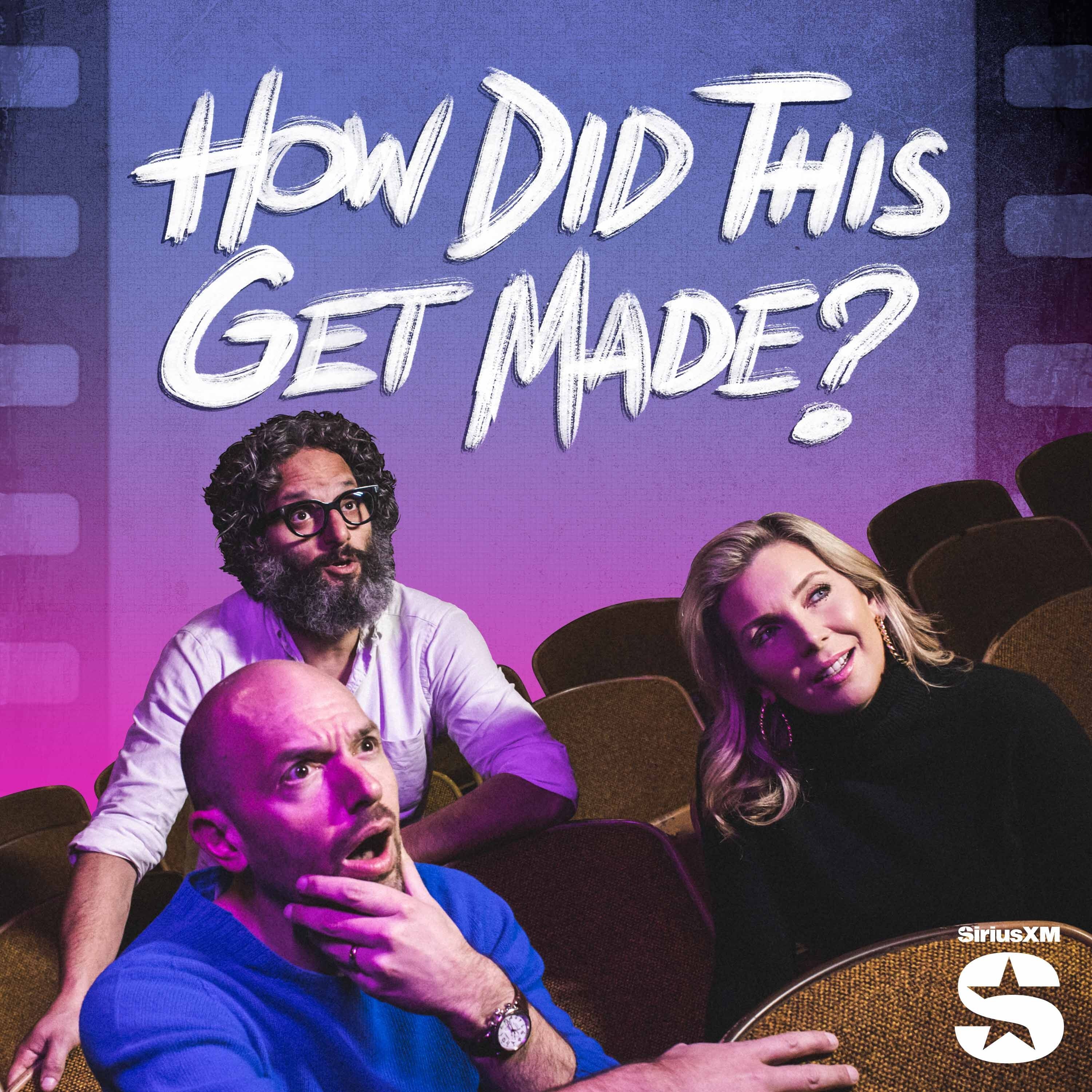
Overview of Perfect LIVE! w/ Seth Morris (Classic)
This live episode of How Did This Get Made? finds Paul Scheer, June Diane Raphael, Jason Mantzoukas, and guest Seth Morris dissecting Perfect (1985), the famously sweaty, strangely paced John Travolta / Jamie Lee Curtis drama about journalism, aerobics, and 1980s LA fitness culture. The panel mostly marvels at how little the movie edits out, how bizarrely it treats exercise and sex, and how its “investigative” plot somehow becomes a fever dream of leotards, strip clubs, and surveillance.
What the Panel Focused On
The movie’s bizarre structure
- The hosts are stunned by how long and unedited the film feels, especially:
- the full driving scenes from courthouse to jail,
- the extended aerobics routines,
- and the many off-screen dialogue scenes over static shots.
- They keep returning to the idea that the movie seems to believe showing every mundane step is somehow essential.
Aerobics as a full-blown 1980s world
- A big chunk of the discussion is about the aerobics class choreography, costumes, and body presentation.
- They joke about:
- the stockings under leotards,
- the unnaturally perfect bodies,
- the sweat makeup,
- and whether the workouts are actually aerobics or something more like “slimnastics.”
- Jamie Lee Curtis’s performance is praised as both genuinely hot and impressively committed.
Journalism, ethics, and the movie’s “message”
- The panel is amused and confused by the fact that the film keeps framing Travolta’s character as a problem for doing journalism.
- They point out the oddity that:
- he starts as an obituary writer in New Jersey,
- the film treats reporters like villains,
- and the central “scandal” around the gym culture is both obvious and underexplained.
- They question the ethics of the story he’s reporting and the film’s moral stance, especially around the implied sexual misconduct in the backstory.
Travolta’s character as a near-sociopath
- Jason and Seth repeatedly note that Travolta’s reporter feels detached, mercenary, and almost American Psycho-like.
- They joke that he seems:
- emotionally unreadable,
- possibly untrustworthy,
- and maybe even capable of murder.
- His handwriting, note-taking, and strange body language become recurring jokes.
The thriller subplot nobody can fully explain
- The mysterious business/computer plot involving Mackenzie is discussed as one of the least clear parts of the movie.
- The hosts are unsure:
- what the tapes contain,
- why they matter so much,
- and what the stakes of the political/computer subplot actually are.
- The movie’s “serious” stakes are treated as comically vague.
Memorable Bits and Running Jokes
The “sphincter muscle” line
- One of the episode’s favorite recurring jokes is Jamie Lee Curtis calling Travolta an “sphincter muscle” rather than using a harsher insult.
- The panel riffs on how oddly clinical and specific it sounds.
The “gangbang” article
- They quote and roast the newspaper prose describing Linda’s sexual escapades, calling it both absurdly explicit and hilariously bad writing.
The strip-club dance scene
- The panel latches onto the stripper/exotic-dancer sequence, mocking how:
- mechanical,
- thrust-heavy,
- and unsexy the routine is.
- They note how the film treats it like a major erotic payoff, while the actual choreography is mostly marching and pelvic pumping.
The computer scenes
- The group finds the computer scenes hilariously over-explained for 1985.
- They especially enjoy:
- the slow typing,
- the “delete” lesson,
- and the strange idea that a computer is always left on “in case inspiration strikes.”
The closing credits workout
- Seth and the panel enjoy the odd end-credit dance/workout montage, which feels more like a separate movie than an ending.
- Travolta refusing to dance in the credits becomes its own joke.
Audience Q&A Highlights
The live audience adds several strong observations and alternate titles, including:
- “Robot orgy”
- “90% thrusting, 10% labored breathing”
- “Leotards and half chubs”
- “All the President’s Men Thrust”
- “Thrustworthy”
- “Sex, Drugs, and Rolling Stone”
- “The Never-Ending Montage”
A few notable audience points:
- Questions about whether Travolta is visibly aroused during the aerobics scenes.
- Questions about the computer subplot and the delayed “leak” of the Mackenzie story.
- Discussion of Jamie Lee Curtis’s mother, her backstory, and how the film handles the coercive relationship with her coach.
- A question about whether the whole film is essentially Adam Lawrence creating his own obituary.
Final Verdict
The panel’s consensus is basically:
- Yes, it’s worth watching
- but fast-forward through the car rides and some of the long connective tissue
They agree that Perfect is a deeply weird, very 1980s movie with:
- memorable sweat,
- wildly earnest performances,
- baffling pacing,
- and enough accidental comedy to make it a classic How Did This Get Made? pick.