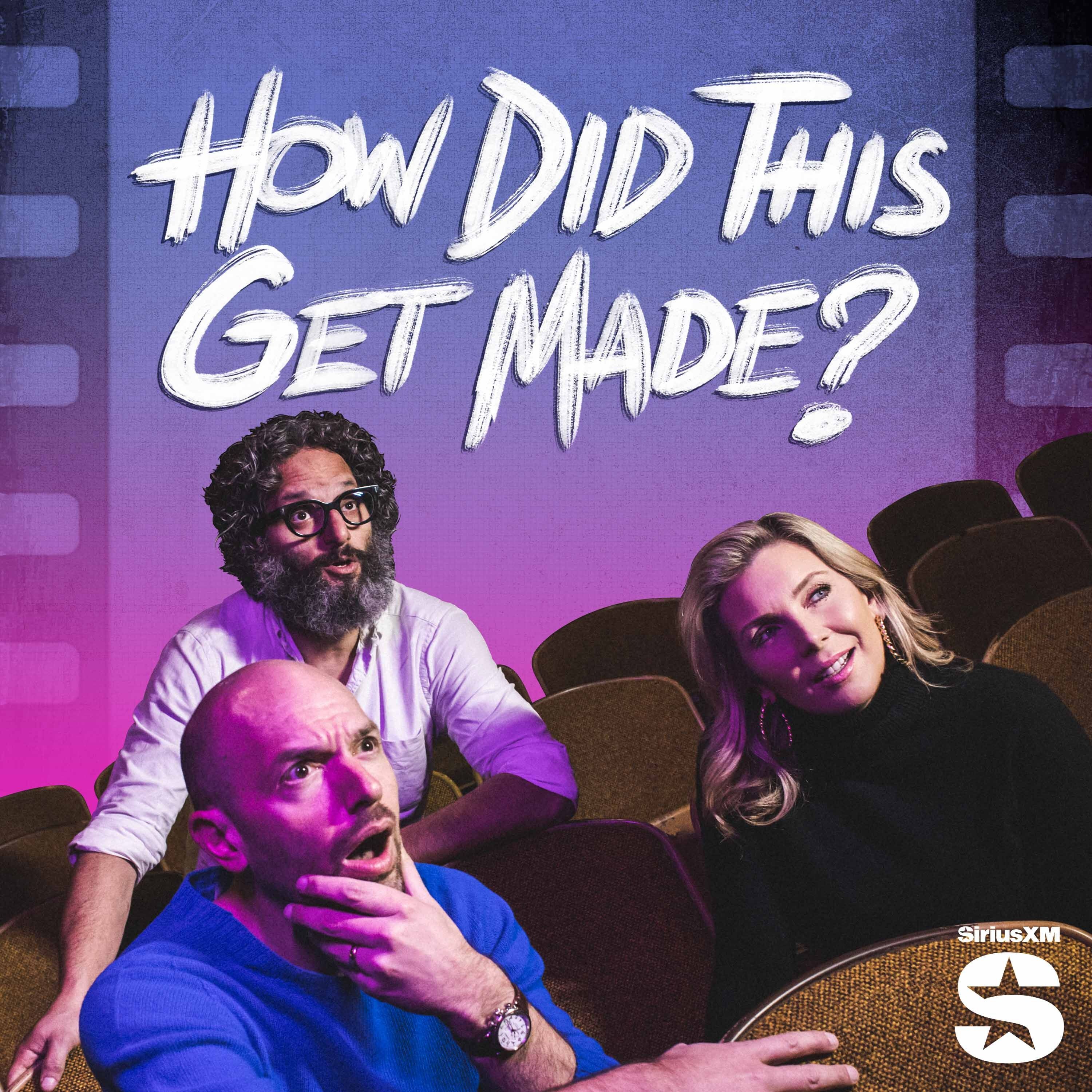
Overview of How Did This Get Made: Leprechaun in the Hood (Classic)
In this classic How Did This Get Made? episode, Paul Scheer, June Diane Raphael, Jason Mantzoukas, and guest Kumail Nanjiani break down the wildly bizarre Leprechaun in the Hood. The conversation centers on how the movie mashes together horror, rap, camp, and late-90s/early-2000s stereotypes into a plot that is both incoherent and strangely committed. The hosts focus on the film’s franchise weirdness, Ice-T’s surprisingly strong performance, the ridiculous “magical flute” premise, and the movie’s deeply questionable portrayal of hip-hop culture.
What the Movie Is About
The hosts summarize the plot as follows:
- A rap trio led by Postmaster P accidentally frees a leprechaun that had been trapped for decades.
- The leprechaun is after:
- his gold,
- a magical flute with mind-control powers,
- and revenge on the people who stole from him.
- The trio gets caught between the leprechaun and Mac Daddy, Ice-T’s record mogul character, who is also dangerous and violent.
- The film eventually becomes a mix of:
- rap performances,
- supernatural chaos,
- dumb schemes,
- and increasingly dark violence.
Main Discussion Points
The Franchise Is Absurdly Complicated
The hosts spend a lot of time marveling at the Leprechaun timeline:
- This is the fifth film in the series.
- The movies are bizarrely arranged chronologically, with later entries serving as prequels.
- They joke that you could re-edit the whole franchise into one giant “Coppola-style” epic.
- They also note that one of the sequels goes all the way to space, which they consider even worse than this one.
The Movie’s Rap Portrayal Is Extremely Cringe
A major theme of the episode is how the film treats rap music and Black culture:
- The movie seems to suggest rap needs to be magically hypnotized to be appreciated.
- The hosts find the movie’s tone unintentionally racist and condescending.
- The group’s “positive message” rap is constantly contrasted with Ice-T’s character telling them they need to rap about violence to succeed.
- They point out the movie’s strange logic: the “good guys” are con artists and hypocrites, while the leprechaun and Ice-T are the most entertaining parts.
Ice-T and Coolio Steal the Show
Despite the movie’s problems, the hosts agree on a few highlights:
- Ice-T is fully committed and plays his role with total seriousness.
- His confrontations with the leprechaun are treated almost like a legendary showdown.
- Coolio’s cameo is a big laugh, especially because he seems to appear for a split second, almost like he wandered onto set.
- They joke that Ice-T’s performance may have helped lead to his later work on Law & Order: SVU.
The Leprechaun’s Powers Make No Sense
The discussion repeatedly returns to how inconsistent the leprechaun is:
- He can:
- freeze people,
- shoot holes through bodies,
- electrocute people,
- use telekinesis,
- summon zombie women,
- and seemingly appear anywhere he wants.
- But at other times he just chokes or stabs people like a normal slasher villain.
- The hosts are baffled by the rules of the necklace that freezes him and how it keeps ending up around his neck by pure accident.
Notable Jokes and Bits
“Da Bomb” and Other Forced Slang
One of the running jokes is how the leprechaun starts using rap slang after hearing the music:
- He says things like “da bomb” in the most awkward, unconvincing way.
- The hosts imagine this as a parent trying to sound cool.
The Magical Flute
The magical flute becomes a recurring source of confusion:
- Nobody fully understands how it works.
- It seems to hypnotize people just by being played.
- The hosts keep asking why anyone would build a supernatural flute into a rap movie.
Weird Secondary Characters
The podcast lingers on several odd details:
- The virgin character is repeatedly mocked and never gets a satisfying payoff.
- The blind grandmother scene is played for broad comedy.
- The pawn shop scenes are repetitive and include an Asian shopkeeper the movie keeps using for the same exact joke.
- The priest has a gun under the pulpit, which the hosts find hilarious and bizarre.
The Ending and Why It Gets Dark
The ending of the film is a big topic because it takes a sharp turn into bleakness:
- Several characters die.
- Stray Bullet’s death is especially shocking and abrupt.
- Postmaster P eventually becomes corrupted by the same power he once condemned.
- The leprechaun wins in the sense that the movie’s ending is bleak, ugly, and unresolved.
The hosts point out that the film’s message is basically:
- goodness doesn’t pay,
- rap success corrupts,
- and the only way to survive is through absurdity.
Audience Reactions and Final Verdict
The episode closes with the usual How Did This Get Made? tradition of reading listener reviews:
- Some reviews genuinely praise the film as funny, weird, and “the best of the Leprechaun movies.”
- One particularly funny review claims “Even Ice-T” knows it’s bad and jokes that not even Ben Affleck could have saved it.
- The hosts mostly agree that the movie is a mess, but an entertaining one.
Key Takeaways
- Leprechaun in the Hood is remembered less as a horror movie and more as a bizarre cultural artifact.
- Ice-T’s performance is the standout highlight.
- The film’s treatment of rap is so awkward and outdated that it becomes a major source of humor.
- The leprechaun’s powers, the magical flute, and the franchise’s timeline all make the movie feel deliriously nonsensical.
- The episode is less about solving the film than about enjoying the chaos it creates.
Recommended Watch/Listen Angle
If you’re listening to this episode, the best way to enjoy it is as:
- a commentary on one of the strangest horror sequels ever made,
- a showcase for Ice-T’s unexpectedly great acting,
- and a classic How Did This Get Made? example of the hosts turning cinematic failure into comedy gold.