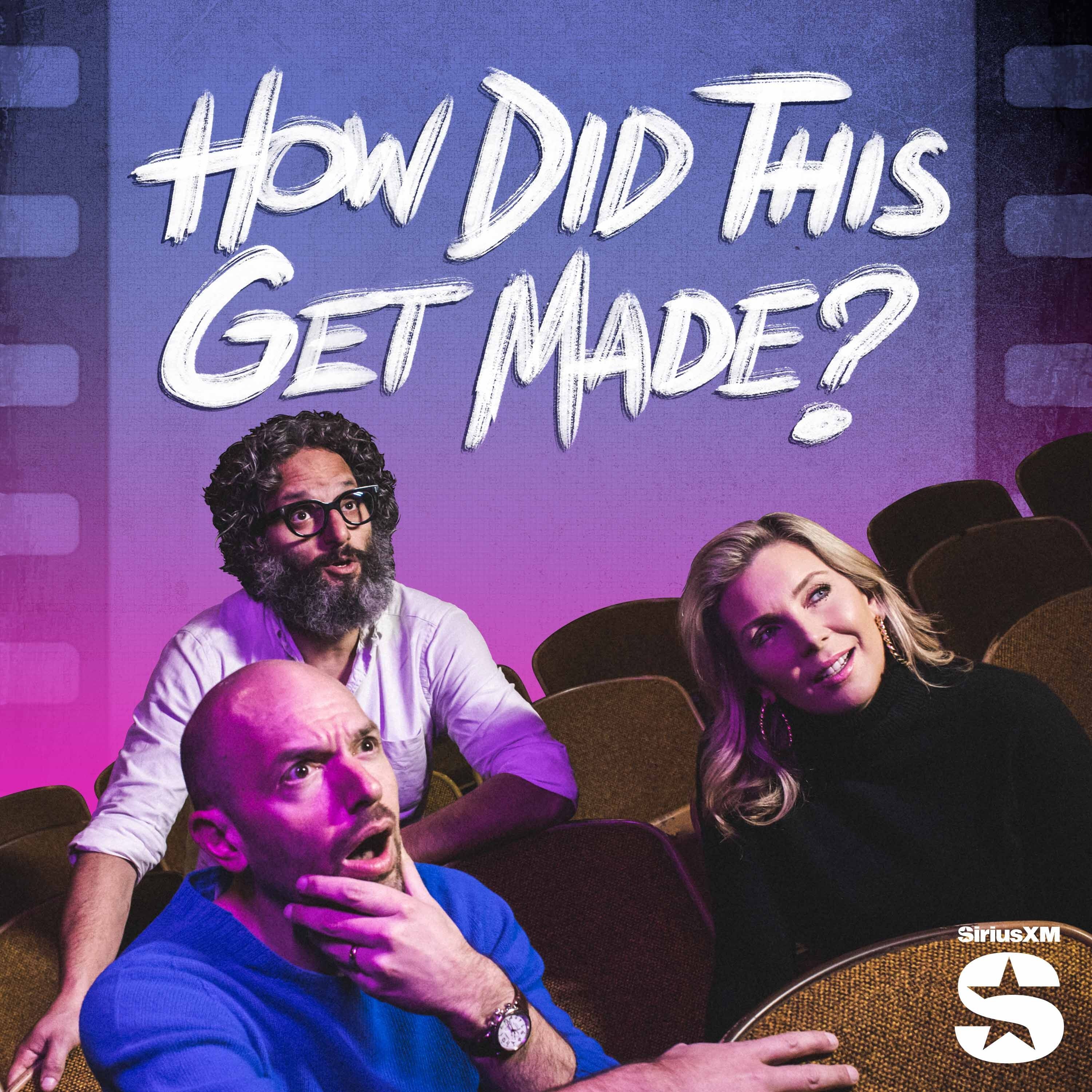
Overview of Joyful Noise w/ Fred Stoller (Classic)
In this How Did This Get Made? episode, Paul Scheer, June Diane Raphael, Jason Mantzoukas, and guest Fred Stoller break down Joyful Noise — a bizarrely heartfelt, oddly dark, semi-musical church-choir movie starring Queen Latifah and Dolly Parton. The conversation focuses on the film’s chaotic mix of gospel competition, recession-era small-town despair, teen romance, family dysfunction, and several shocking heart attacks, all while barely using the gospel music the premise promises.
What the Movie Is About
Core premise
- A struggling church choir in a depressed Georgia town enters a national gospel competition.
- After the choir’s leader dies of a heart attack, Queen Latifah’s character takes over.
- Dolly Parton’s wealthy church benefactor character is pushed into conflict with Queen Latifah over control, style, and the future of the choir.
- Meanwhile, the younger characters carry a teen romance subplot and the town itself is hit hard by the recession.
Main cast/characters discussed
- Queen Latifah as the choir leader and overworked nurse/mother.
- Dolly Parton as the church’s wealthy, strong-willed donor.
- Keke Palmer and Jeremy Jordan as the romantic younger leads.
- Jesse L. Martin as Queen Latifah’s husband, whose army storyline becomes a major emotional thread.
- A scene-stealing, mysterious side character with Asperger’s and sunglasses becomes a big talking point for the hosts.
Key Takeaways from the Discussion
The movie is tonally all over the place
- The hosts keep returning to the film’s strange blend of:
- sincere church-movie sentiment
- sudden dark humor
- awkwardly placed racial and class dynamics
- melodrama that never fully pays off
- They repeatedly note that the film feels like it starts several stories but never finishes them cleanly.
Dolly Parton is underused
- A major complaint is that Dolly Parton is in the movie far less than expected.
- The hosts say she only gets a small amount of singing time despite being the movie’s biggest musical draw.
- Her presence is treated as oddly out of place in the church choir setting, both visually and narratively.
The music is weirdly pop-heavy
- The panel jokes that this supposed gospel movie spends a lot of time singing non-gospel songs like:
- “Man in the Mirror”
- “Maybe I’m Amazed”
- other pop medleys
- They appreciate some of the musical numbers, but also poke fun at the fact that the movie doesn’t fully commit to being a gospel film.
The plot is cluttered with strange side stories
Some of the most discussed oddities include:
- the recession and closing small businesses in town
- the husband’s army enlistment and fake letters
- the choir competition structure
- a young character seemingly being set up as a savior, then sidelined
- a bizarre “tissue of shit” locker prank
- random black-comedy moments that clash with the film’s inspirational tone
Queen Latifah’s character is treated harshly
- The hosts note that the movie repeatedly frames her as difficult, unattractive, or overbearing.
- They think the film has a weird habit of making her seem like the problem while the story still asks the audience to root for her.
- June especially highlights Queen Latifah’s powerful monologue about being a nurse and surviving by working hard.
Most Memorable Bits and Jokes
Heart attacks everywhere
- The movie opens with a choir leader dropping dead mid-performance.
- The hosts joke that the town’s cholesterol levels must be catastrophic.
- A second major heart-attack-related death is also discussed, making the movie feel absurdly death-heavy for a “feel-good” musical.
The “bad boy” who isn’t really bad
- Jeremy Jordan’s character is framed as a rebel, but the hosts argue he’s really just a talented musical-theater kid.
- His supposed delinquency boils down to being mildly rude and saying “bitch,” which the panel finds hilarious and unconvincing.
The mysterious sunglasses kid
- The son with Asperger’s, who wears sunglasses and acts strangely at first, becomes one of the most analyzed parts of the film.
- The hosts debate whether the movie properly sets up his condition or just throws visual hints at the audience without explanation.
The final medley
- The climactic musical mashup is treated as the movie’s biggest spectacle.
- The hosts laugh at how the choir turns multiple pop songs into a gospel-style finale.
- Despite the mockery, they admit the sequence is one of the more entertaining parts of the film.
Final Verdict on the Movie
Overall reaction
- The panel doesn’t think Joyful Noise is good, but they also don’t think it’s fully bad in a fun way.
- Their consensus is that it’s:
- messy
- inconsistent
- occasionally entertaining
- and full of strange creative choices
Fred Stoller’s perspective
- Fred Stoller is enthusiastic and clearly enjoys the film in a “this is perfect for your show” kind of way.
- The hosts appreciate his energy and his familiarity with odd, off-kilter storytelling.
Bottom line
- The group recommends it more as a curiosity than a must-watch.
- If you want:
- Dolly Parton
- bizarre church-movie drama
- strange tonal shifts
- and a very weird choir competition movie
then Joyful Noise is worth a watch for the spectacle alone.