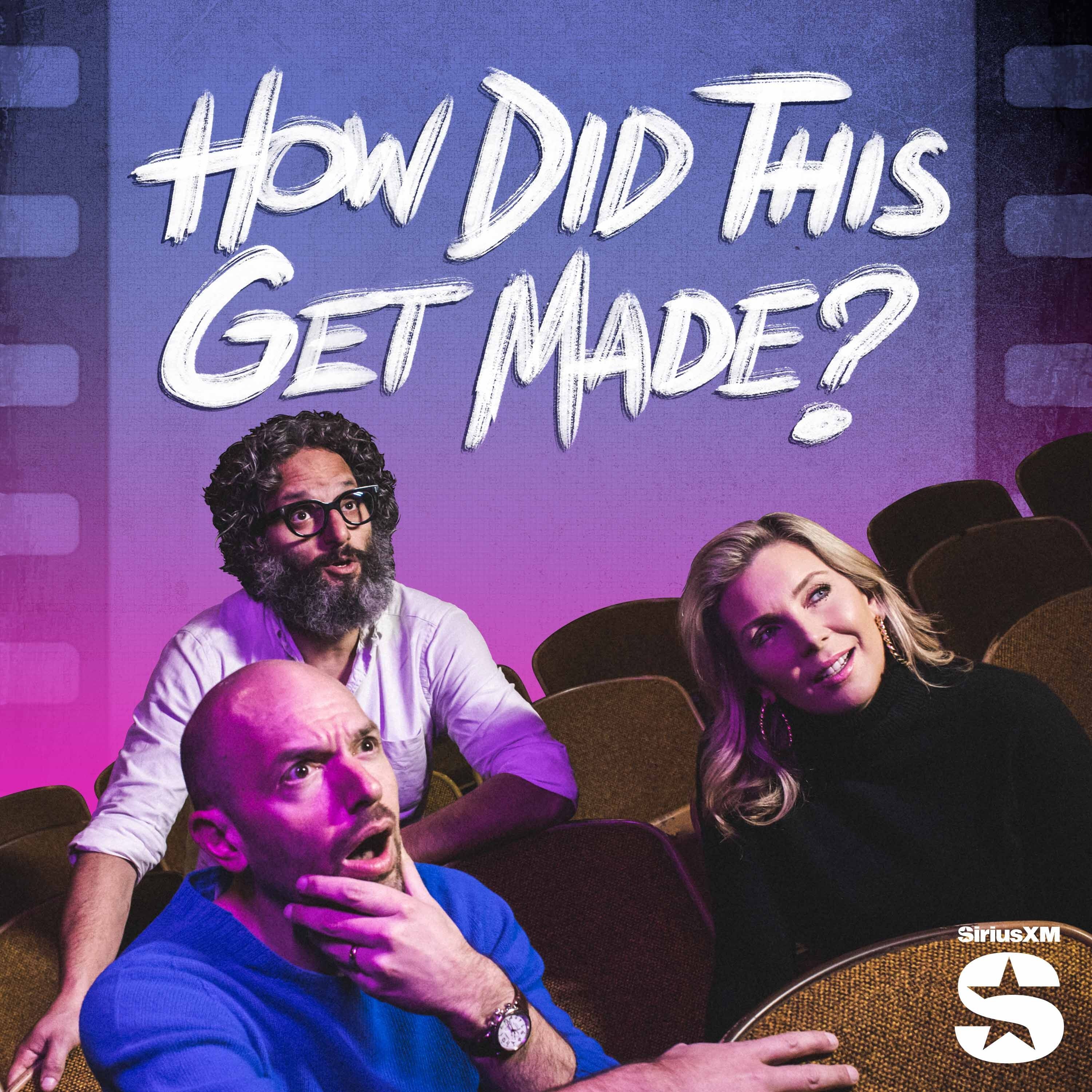
Overview of How Did This Get Made? on Jack
In this episode of How Did This Get Made?, Paul Scheer, June Diane Raphael, and Jason Mantzoukas dissect the 1996 Francis Ford Coppola dramedy Jack, starring Robin Williams as a boy who ages four times faster than normal. The hosts spend most of the conversation unpacking the film’s bizarre tone, unclear target audience, and deeply uncomfortable premise, while also acknowledging a few genuinely moving moments in Robin Williams’ performance.
What the Movie Is About
The film follows Jack, a 10-year-old boy who looks like a middle-aged man because of a rare aging condition. After being homeschooled and overprotected, he enters regular fifth grade, makes friends, develops a crush on his teacher, and slowly experiences the outside world for the first time.
The hosts note that the movie is less a conventional comedy than a melancholy, uneven metaphor about illness, isolation, and childhood.
Main Critiques from the Hosts
Tonal confusion
- The episode repeatedly returns to the idea that the movie doesn’t know what it wants to be:
- children’s movie
- adult dramedy
- body-horror oddity
- sentimental tearjerker
- They describe it as “too sad” and “not fun,” with no clear comedic engine to carry the premise.
Jack doesn’t feel like a child
- A major point of frustration is that Robin Williams’ performance doesn’t convincingly play as a 10-year-old.
- The hosts argue he feels more like a sheltered adult than a kid with a child’s mind, which breaks the movie’s central illusion.
- They also question the logic of his physical behavior, wardrobe, and how he interacts with desks, school, and everyday objects.
No real character arc
- The hosts feel Jack doesn’t actually change or learn much.
- Since the movie skips ahead in time, they argue the audience misses the emotional development that would make the ending land.
- They wanted the film to show more of Jack growing up across different stages, rather than staying in one emotional register.
Weak metaphor and unclear audience
- The discussion suggests the film wants to be a metaphor for children dealing with illness, but it never fully commits to that idea.
- The hosts struggle with who the movie is for:
- adults nostalgic for childhood?
- kids?
- parents of sick children?
- Their conclusion is that the movie’s appeal is too broad and too vague to fully work.
Specific Moments They Discuss
Francis Ford Coppola directing Jack
- The hosts are amused and baffled that Francis Ford Coppola directed the film.
- They joke about his “loft era” and note the very Coppola-like Easter egg of a wine bottle costume in the opening scene.
Bill Cosby’s role
- The episode spends a lot of time on how unsettling it is to see Bill Cosby in the film, especially around children.
- The hosts also question why his character, who seems to work for the school system, is hanging out in treehouses and repeatedly inserting himself into the kids’ world.
J.Lo and Fran Drescher
- Jennifer Lopez’s teacher character is discussed as one of the more emotionally effective parts of the movie.
- Fran Drescher’s scenes are also highlighted as strange but memorable, especially in how the movie uses her as part of Jack’s attempt to navigate adult social situations.
The “seven years later” banner
- One of the episode’s favorite absurd details is a banner in the graduation scene that literally reads “seven years later.”
- The hosts are baffled by this choice and treat it as a perfect example of the film’s bizarre execution.
Notable Quotes / Takeaways
- The hosts repeatedly argue that Jack is “not a shooting star,” pushing back on the film’s attempt to make him seem extraordinary beyond his condition.
- They call out the movie for making Jack’s value depend too much on what he can do for others, rather than who he is.
- One of the episode’s biggest themes is that the film is built around a gimmick, but not a satisfying story.
Final Verdict
The hosts are largely unimpressed with Jack and recommend against it, calling it:
- overly sentimental
- tonally confused
- too long
- more sad than funny
- not nearly as clever as it thinks it is
That said, they do acknowledge a few emotional moments that landed for them, especially when the film briefly touches on Jack’s fear of being alone and his desire to stay connected to school and life.
Other Notes from the Episode
- The episode includes the hosts’ usual banter about movie structure, bad parenting in films, and the strange logic of mid-’90s family comedies.
- They also mention current projects and recommendations at the end, including other shows and films they’re enjoying.
- As with many How Did This Get Made? episodes, the conversation becomes part critique, part improv riff, and part collective disbelief at the film’s existence.