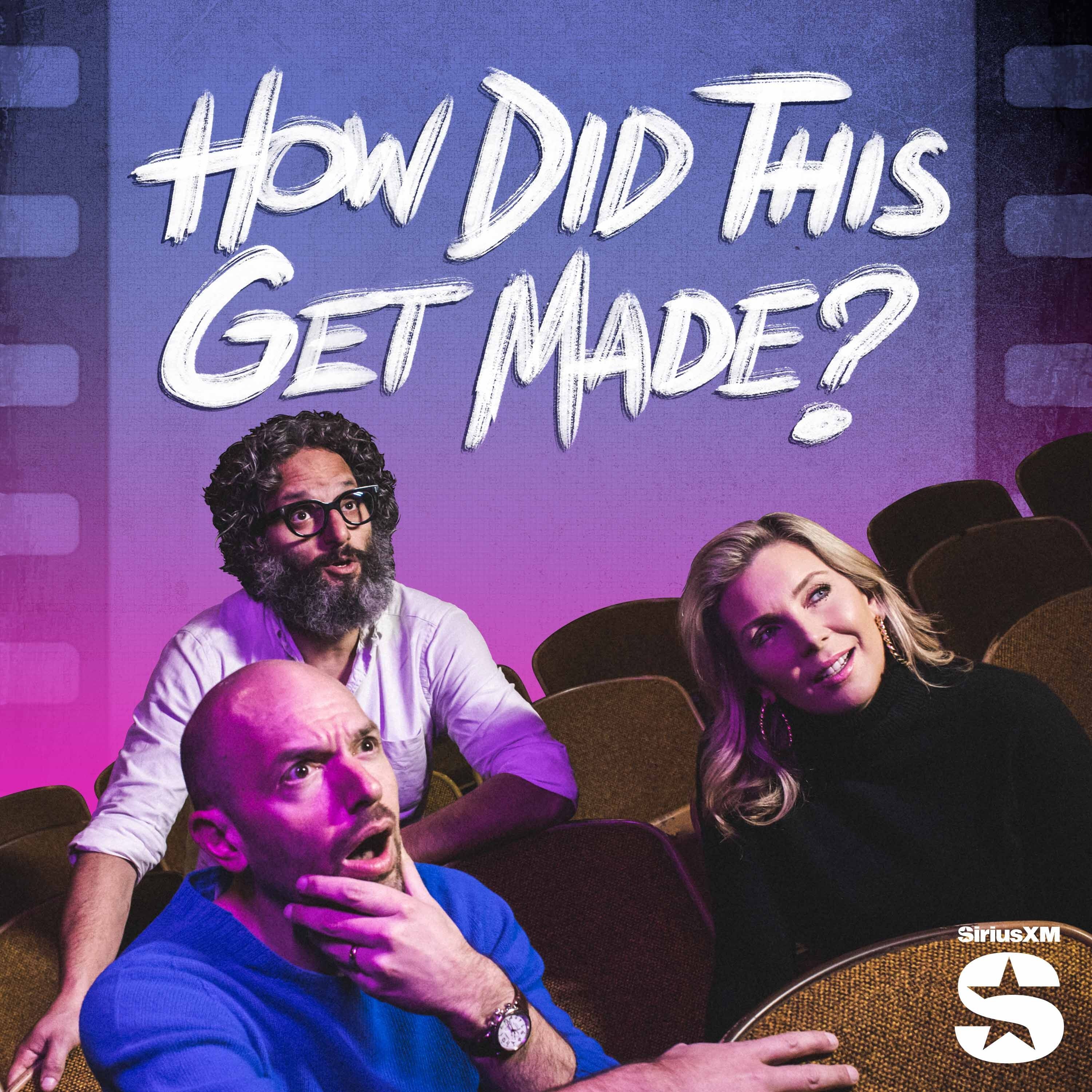
Overview of How Did This Get Made? — The Forbidden Dance
This episode of How Did This Get Made? (hosts Paul Scheer, June Diane Raphael, Jason Mantzoukas) dissects the 1990 cult oddity The Forbidden Dance — a rush-produced, Lombada-inspired eco-dance flick produced in the Golan/Globus era. The hosts recap the plot, unpack the film’s chaotic production history (and lawsuit that spawned two nearly-identical “Lombada” films), and riff on the movie’s awkward dancing, tone-deaf handling of race/class, and surprisingly earnest rainforest message.
Quick synopsis (what the movie is)
- Premise: Nisa, a Brazilian princess/activist, comes to L.A. to stop a corporation from burning her rainforest. She ends up dancing in clubs, becoming involved with Jason (a privileged young man), and enters a televised dance audition to spread awareness and spark a boycott.
- Key set pieces: multiple club dance montages, a maid/household subplot, a brothel/club where Nisa works as a dancer, a witch doctor (Joah) with real “magic,” and a Kid Creole and the Coconuts TV-audition finale that leads to a boycott call.
- Tone: uneven — part sexed-up dance movie, part Golan/Globus exploitation production, part environmental PSA.
Production backstory & industry context
- This film was conceived and produced at breakneck speed: idea in Dec 1989, script in about 10 days, shooting in January and release in March. The haste explains the patchwork plotting and montage-heavy structure.
- Legal battle and twin films: two competing Lombada/Lambada films were released around the same time due to a dispute between producers (Golan vs. Globus). That fight led to title changes and a split of assets like the song — hence this film kept the song but not the “Lombada” title in some markets.
- Box-office snapshot (from the episode): The competing Lombada movie opened stronger (~$2.9M); The Forbidden Dance made about $721K.
Main takeaways & critical observations
- Dance as sex: The film treats Lombada/grinding as the sex substitute — dance scenes are meant to function as erotic set pieces but mostly read as clumsy and joyless on screen.
- Montage over narrative: The plot is often a series of set pieces and montages with little connective tissue or exposition (many scenes jump without clear plans, timelines, or logistics explained).
- Production choices show: cheap or confusing staging (same clubs reused, odd cue-card TV-show visuals) and inconsistent continuity (costumes, props, and geography).
- Performance notes:
- The witch doctor (Joah) is a standout: campy, powerful, and the episode’s MVP.
- Carmen (a supporting character) delivers the best, most alive dancing — she’s spontaneous and magnetic compared to the stiff leads.
- Lead Nisa has screen presence but is not convincing as a partner in many of the dance routines; the chemistry with Jason is inconsistent.
- Awkward moments: overused single song (the Lambada hit plays relentlessly), a notably gross/misaligned kiss, and many unintentionally funny or uncomfortable sequences (e.g., the brothel scenes and switchblade clichés).
Themes & cultural reading
- Erotic transgression vs. conservative backlash: the film tries to position the Lambada as scandalous, transgressive, and world-changing — but the execution undercuts that claim.
- Race and class: Beverly Hills/white characters behave as casual bigots; the movie leans into a white-savior arc (Jason learning/dancing to “save” the rainforest) while failing to interrogate those dynamics seriously.
- Environmental message: the rainforest preservation theme is sincere but superficial — the film urges a boycott of the villainous corporation (Petramco/Petra company) without clarifying what the company actually does or how a dance-led boycott would realistically help.
- Exploitation-era filmmaking: the movie reads like an exploitation picture repackaged with a social cause to justify its lurid elements.
Notable quotes & bits of comic gold (from the hosts)
- “Let’s save the rainforest through dance.”
- “Jason is baby” — a recurring joke riffing on Jason’s character.
- “Mother, I dance.” — a line used to codify the footloose-ish rebellion theme.
- Podcast hosts repeatedly highlight the film’s ludicrous efforts to blend sex, activism, and a TV talent show finale.
Reception & legacy
- Contemporary and cult reception is mixed-to-low; it didn’t break through. Fans give it a small but enthusiastic cult fringe (some 5-star internet reviewers call it sensuous or meaningful).
- The episode emphasizes the film’s era-peculiar charm (early-1990s anxieties about morality, spectacle, and the environment) and recommends it as a “so-bad-it’s-interesting” watch for camp/dance-movie aficionados.
- The Kid Creole and the Coconuts cameo gives the film a notable pop-culture tether; the band’s presence is authentic and one of the film’s more legitimate musical assets.
What to expect if you watch it
- Runtime: ~95 minutes — short and montage-heavy.
- Dancing: often awkward and poorly choreographed for the leads; Carmen is the exception.
- Tone: uneven — parts flirt with seriousness (rainforest message) and other parts play like a cheeky exploitation movie.
- Recommended audience: viewers who enjoy cult cinema, campy early-90s VHS aesthetics, or want a curiosity piece about the Lambada fad and exploitation-era production racing.
Recommendations / action items
- Watch if you like: bad-movie fun, dance-movie curiosities, Golan/Globus-era productions, or the “so-odd-you-can’t-look-away” vibe.
- Pairing suggestion: compare it with the rival Lombada film (same era) for a neat case study in competing quick-turnaround studio productions.
- If you appreciate the movie’s stated purpose: consider supporting rainforest and conservation charities (the film’s earnest-but-clumsy pledge is a reminder of a real-world cause).
Short verdict (podcast hosts’ consensus)
The Forbidden Dance is messy, occasionally hilarious, and oddly earnest. It’s worth a watch for camp value, the witch-doctor/Joa performance, and the unexpected earnestness of its environmental call — but don’t expect any polished choreography or coherent plotting.