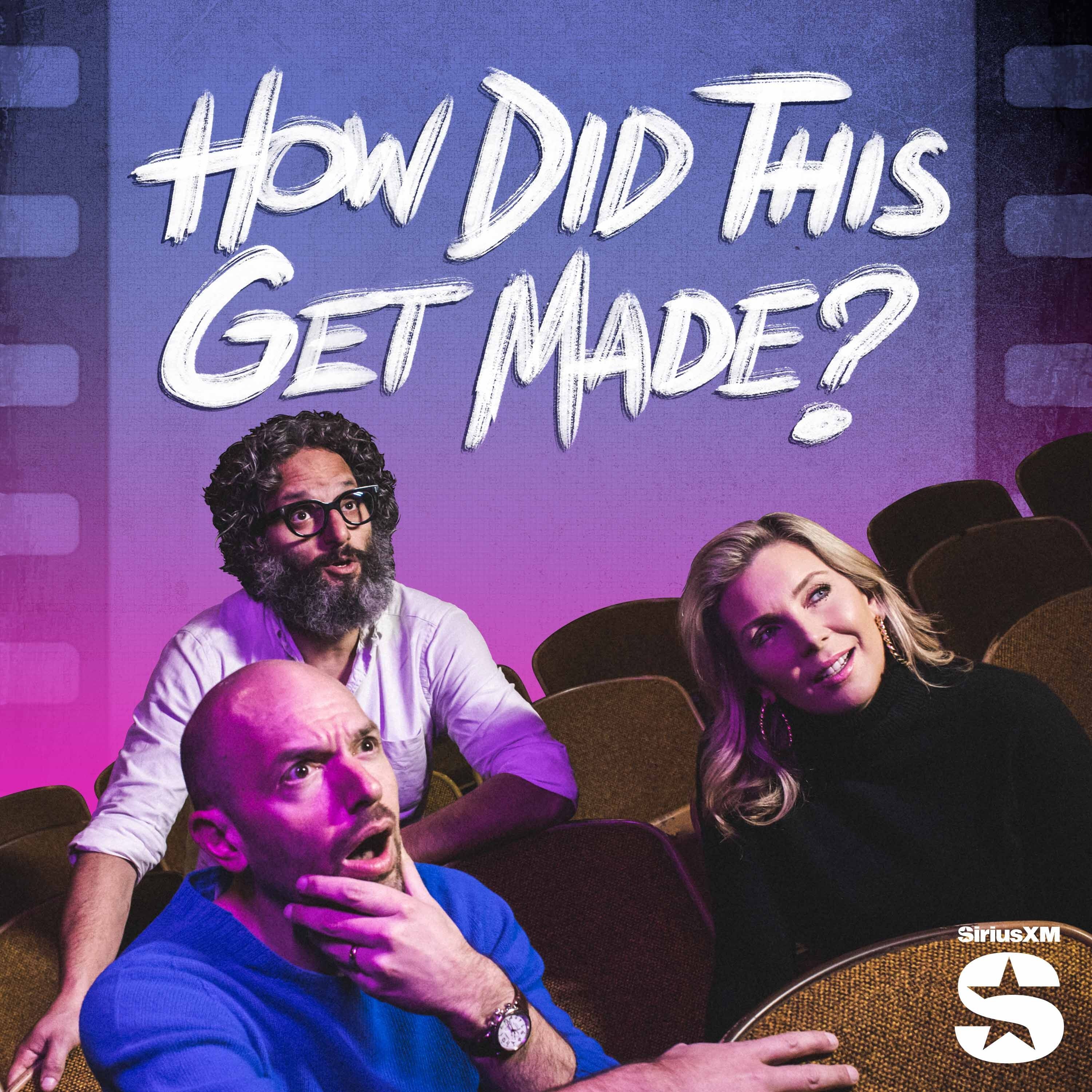
Overview of How Did This Get Made? — Return to Oz episode
This episode of How Did This Get Made? (hosts Paul Scheer, June Diane Raphael, Jason Mantzoukas) dissects Disney’s 1985 film Return to Oz — a dark, divisive follow-up/retelling of L. Frank Baum’s Oz books directed by Walter Murch and starring a very young Fairuza Balk as Dorothy. The hosts compare it to the 1939 Wizard of Oz, discuss tone, themes, visuals and production choices, and argue over whether the film works as an Oz sequel, a faithful book adaptation, or an unsettling standalone kid-horror fable.
Key topics discussed
-
Film basics and context
- Return to Oz (1985), directed by Walter Murch (editor and filmmaker known for Apocalypse Now, The Conversation).
- Draws from multiple L. Frank Baum books and is much darker than the MGM 1939 musical.
- Fairuza Balk plays a younger, traumatized Dorothy; much of the film is practical puppetry/props.
-
Tone and genre
- Hosts describe it as bleak, disturbing, closer to Pan’s Labyrinth/Dark Crystal/Hereditary than the colorful 1939 film.
- Debate whether it’s a faithful (and therefore grim) adaptation of the books or a misguided sequel to the popular movie.
-
Narrative and characterization problems
- Confusion about continuity: Dorothy has already experienced the 1939 events, yet Return to Oz often reads like a prequel or standalone tale.
- Dorothy is more passive/reactive than the Dorothy of the classic film; emotional stakes and motivations feel muddled.
- Many plot beats and character wants are unclear; resolution doesn’t satisfactorily close established threads.
-
Visuals and craft (praised)
- Practical effects and creature design receive praise: the Wheelers, Jack Pumpkinhead, the Headless Queen/hallway of heads.
- The film’s production craft is acknowledged as high-quality even if the story is uneven.
-
Disturbing elements and child welfare
- Graphic/creepy moments highlighted (e.g., Dorothy brushing a faceless jack-o’-lantern, the electroshock imagery).
- Hosts discuss Fairuza Balk’s limited working hours as a child actor and reflect on the ethical complexity of putting a young performer through such material.
-
Reception and fanbase
- Polarizing film: hosts note many devoted fans and surprisingly high fan ratings in some places (the episode references a set of 5,634 reviews with ~80% five-star ratings).
- The film has cult admirers who grew up with it; others see it as a “bait-and-switch” for Oz fans expecting the 1939 film’s tone.
Main takeaways / host judgments
-
What works
- Strong practical effects and production design; memorable, unsettling creature concepts.
- Fairuza Balk gives an impressive performance working largely alone with props/puppets.
- The film can be compelling if watched as a weird, gothic children’s fantasy/horror (rather than as a sequel to the 1939 movie).
-
What fails
- Emotional/connective tissue to the original Wizard of Oz is weak — it doesn’t feel like a proper sequel.
- Story lacks clear character goals and satisfying thematic payoff. Dorothy feels passive; stakes aren’t resolved in a way that honors the earlier film’s arc.
- Tone and marketing mismatch: Disney marketed to kids but delivered a bleak, adult-leaning piece.
-
Verdict (hosts’ consensus)
- Mixed: recommended if you’re curious about odd 80s practical-effects fantasy or want a darker Oz riff; not for viewers seeking continuity with or the charm of the 1939 musical.
Notable insights & memorable quotes
- “This is more of a sequel to Hereditary than it is Wizard of Oz.” — capturing the movie’s horror lean.
- “Keep your dreams and imagination private.” — hosts note one of the film’s eerie morals: keep imaginative life hidden from the adult world.
- “It’s a bait-and-switch.” — many listeners expecting the bright, musical Oz will be surprised and upset by the film’s bleakness.
- Production influence: Walter Murch reportedly drew inspiration from the nonfiction book Wisconsin Death Trip, explaining the film’s depressive, Dust-Bowl-like aesthetic.
Important details & trivia highlighted in the episode
- Dorothy is younger in this film (around 9–10 years old), and appears traumatized/institutionalized and threatened with electroshock treatment.
- The film adapts elements from two Baum books rather than directly following the 1939 movie’s narrative.
- Fairuza Balk was restricted to short workdays (e.g., ~3.5 hours/day limits) and still carries virtually the whole film; hosts praise her performance given the constraints.
- There exists a workprint with many deleted scenes (hosts mention extensive cuts beyond the theatrical release).
- A memorable scene: the Nome King (gnome king) is killed when Dorothy’s chicken, Belina, lays an egg down his throat — later clarified that a medic bracelet reveals he’s severely allergic to eggs.
- Visuals praised: the Wheelers (body-horror, wheel-armed creatures), Jack Pumpkinhead, hallway of detachable heads, and the overall practical-effects work.
Who should watch it (and who shouldn’t)
-
Watch if:
- You enjoy creepy, practical-effects-driven 80s fantasy (Dark Crystal / Pan’s Labyrinth vibes).
- You’re curious about a faithful, darker adaptation of Baum’s Oz material.
- You like cult or divisive films and don’t need it to feel like the 1939 movie.
-
Skip if:
- You want the joyful, musical MGM Wizard of Oz experience.
- You expect clear plotting, strong emotional payoff, or a faithful sequel to the 1939 film’s themes.
Short recommendation blurb (SEO-friendly)
Return to Oz is a visually inventive, deeply unsettling 1985 Disney attempt to return to L. Frank Baum’s darker Oz lore. Its practical effects and Fairuza Balk’s performance are memorable, but the film’s tone, narrative ambiguity, and shaky connection to the beloved 1939 Wizard of Oz make it polarizing. Worth a watch for fans of 80s dark fantasy; not for viewers expecting a cheerful sequel.
Episode notes / sponsors (as heard in the transcript)
The episode includes standard host-read sponsor spots for Squarespace, LinkedIn, Lowe’s, eBay, KFC, and others interspersed among the discussion.
Final line (from the hosts)
They close by acknowledging Return to Oz as an odd curiosity — an ambitious, abrasive, and unforgettable piece of 80s filmmaking that will either haunt you or frustrate you depending on what you expect from Oz.