Overview of My Boyfriend's Back LIVE!
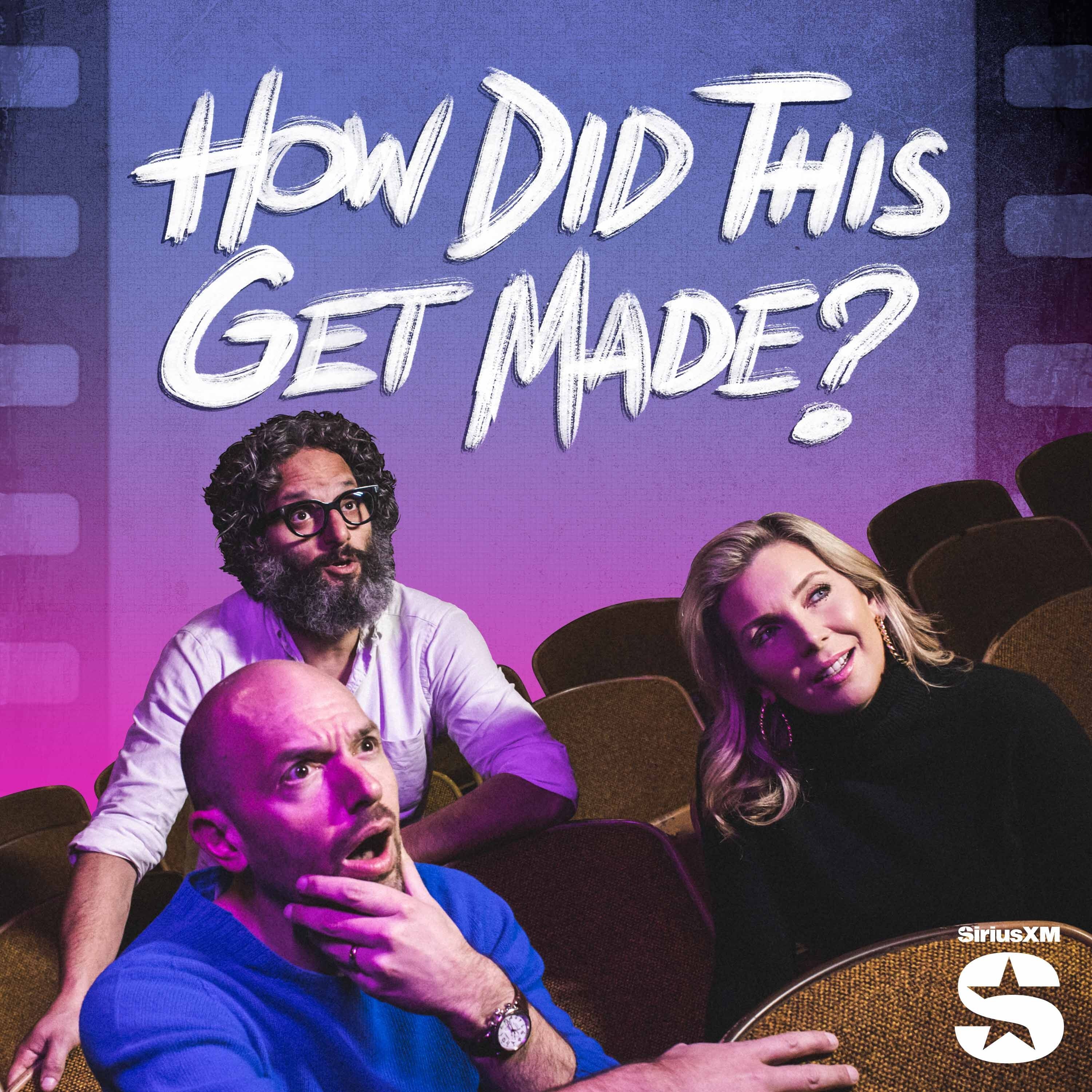
This is a live Largo recording of How Did This Get Made? (Earwolf) hosted by Paul Scheer with co-hosts June Diane Raphael and Jason Mantzoukas. The episode dissects the 1993 zom‑com My Boyfriend's Back (directed by Bob Balaban), mixing plot recap, cast notes (notably early Philip Seymour Hoffman), tonal analysis, audience Q&A, and plenty of nostalgic tangents and humor. The hosts mostly enjoyed the film’s committed weirdness while debating its moral/structural problems.
What this episode covers
- Short synopsis and basic facts about My Boyfriend's Back (runtime, year, box office/budget cited by hosts).
- Scene-by-scene reactions and highlights from a live audience screening at Largo.
- Close attention to tone — comedy vs. horror vs. teen romance — and comparisons to other films (Teen Wolf, John Waters, Buffy, Dead Heat).
- Praise for the adult character actors and Bob Balaban’s direction; criticism of the lead’s creepiness and the film’s narrative choices.
- Audience questions, fan reviews, and behind-the-scenes anecdotes (both onstage and from hosts).
- Merch, upcoming live shows, sponsor reads and episode logistics.
Film summary & quick facts mentioned
- Premise (as described by hosts/IMDb): a teenage boy returns from the dead determined to win his school’s most beautiful girl — but the title is misleading because he isn’t actually her boyfriend.
- Year: hosts confirm it’s 1993.
- Runtime: ~1 hour 25–30 minutes.
- Rotten Tomatoes: ~13 (hosts quote a low “tomato meter”).
- Production numbers mentioned: reported $12M budget, $1.4M opening weekend (hosts cite).
- Notable cast/credits discussed: directed by Bob Balaban; Philip Seymour Hoffman credited early in his career (noted as “Philip Hoffman” in some credits); cameos from Matthew McConaughey and others; lead involves actor playing “Johnny Dingle.”
Hosts’ impressions and debate
- Overall tone: a committed, old‑school B‑movie/zom‑com with a unique voice — equal parts silly, gross, and oddly charming.
- What they liked:
- The adult supporting cast (Austin Pendleton, Paul Dooley, character actors) and Balaban’s direction.
- The film’s willingness to lean into a high‑concept comedic premise and maintain momentum.
- Philip Seymour Hoffman’s energetic, scene‑stealing performance.
- Nostalgic, unabashedly 1990s/“teen” movie aesthetic.
- What they didn’t like:
- The protagonist is portrayed as a straight‑up creep — he stages a violent hoax for attention — and the movie largely absolves or downplays that behavior.
- Lack of character growth: returning from death doesn’t meaningfully change Johnny’s character or the town’s understanding.
- Tonal and narrative detours (e.g., late‑film plot devices, Heaven/afterlife beats) that feel unnecessary or underexplained.
- Limited effects/budget restrictions and PG‑13 constraints that soften the “zombie” aspect (e.g., eating scenes are off camera or underplayed).
- Verdicts: All three hosts ultimately recommend it for certain viewers (fans of silly, committed B‑movies), though Paul articulates stronger critical reservations.
Themes, tone & standout elements
- Comparison framing:
- “Teen Wolf” analogy: similar premise structure (adolescent outsider gains a supernatural identity that changes how others see him), but My Boyfriend’s Back swaps werewolf puberty allegory for zombie/undead fetishization.
- John Waters influence mentioned (gross + camp sensibility).
- Tone: blends teen romance, dark comedy, and light gore; often prefers comic payoff over strict internal logic.
- Standouts:
- Bob Balaban’s casting and eye for character actors.
- Philip Seymour Hoffman’s breakout, clownish turn.
- Comic‑book style transitions / visual choices that feel unusual for the material.
- Limitations: PG‑13/tight budget reduce horror payoff; key narrative beats feel under‑justified.
Audience Q&A and notable revelations
- Live audience asked about themes (fetishization vs. romantic othering) — hosts mostly agree the love interest fetishizes the protagonist’s “otherness.”
- Small continuity/issues flagged by audience (e.g., Philip Seymour Hoffman’s final status in the timeline).
- A startling anecdote brought up onstage: hosts discuss actress Tracy Lind (lead actress) and reference her later public statements about domestic abuse and her connection to Dodi Fayed — the conversation is presented as a revelation from the live audience and treated with shock by hosts. (Note: this was an on‑stage claim during the recording; verify separately before citing as fact.)
- Recurring live bits and audience-driven moments: “tickle my paws” mishearing (a running gag about misheard lines), the “Brian Orlando electronics” t‑shirt/merch gag, and the dog/food recurring bit in the film noted by attendees.
Reception & criticism (from the episode)
- Mixed: many contemporary viewers/online reviewers are polarized — some adore its delirious tone and rewatchability, others point to problematic content (moral issues, language).
- Hosts read fan reviews (both glowing and bizarre/rambling) from online sources and poked fun at extremes: enthusiastic five‑star fan essays vs. one‑star reviews offended by language or Christian references.
Notable quotes & moments from the episode
- “This was basically Teen Wolf if the puberty allegory was zombieism.” — Summary comparison used several times.
- “Johnny Dingle dies a virgin twice.” — Host joke capturing the film’s youth/age casting oddity.
- “Tickle my paws.” — Repeated misheard line gag that fuels a larger tangent about childhood viewing.
- Praise: “Philip Seymour Hoffman explodes on the screen — comedia‑level performance.”
- Criticism: “He’s a straight‑up creepo” — moral critique of the lead character’s actions.
Key takeaways & recommendation
- If you like:
- Off‑beat, committed B‑movies with a strong ensemble of character actors
- 1990s teen‑genre oddities and gross‑out comic beats
- Early Philip Seymour Hoffman in a showy part then this movie is worth a watch — enthusiastic recommendation from the hosts for the right audience.
- If you’re looking for:
- A clean moral arc or sympathetic protagonist, or a consistent horror payoff, you may be frustrated.
- Final practical verdict: Recommended as a goofy, imperfect cult curiosity — especially fun in a group or live setting where its oddness can be celebrated.
Who should watch / skip
- Watch if: you enjoy nostalgic teen movies, dark comedy, B‑movie charm, or want a short, strange zom‑com.
- Skip if: you’re bothered by characters staging violent pranks, want tightly logical plots, or expect serious horror gore (effects are limited/PG‑13).
Actions & where to learn more
- Want to revisit the episode? The hosts announce HDTGM social clips and merch (Brian Orlando Electronics shirt/joystick gag).
- If intrigued by the film: check basic metadata (1993 release) and sample clips to confirm tone before committing.
- For further context: look up Bob Balaban’s filmography and early appearances of Philip Seymour Hoffman; read a range of modern reviews to balance fan enthusiasm vs. critical takes.
If you want a one‑line summary: a messy but charming early‑’90s zom‑com that’s more fun for its committed cast and weird choices than for its moral clarity or narrative logic.