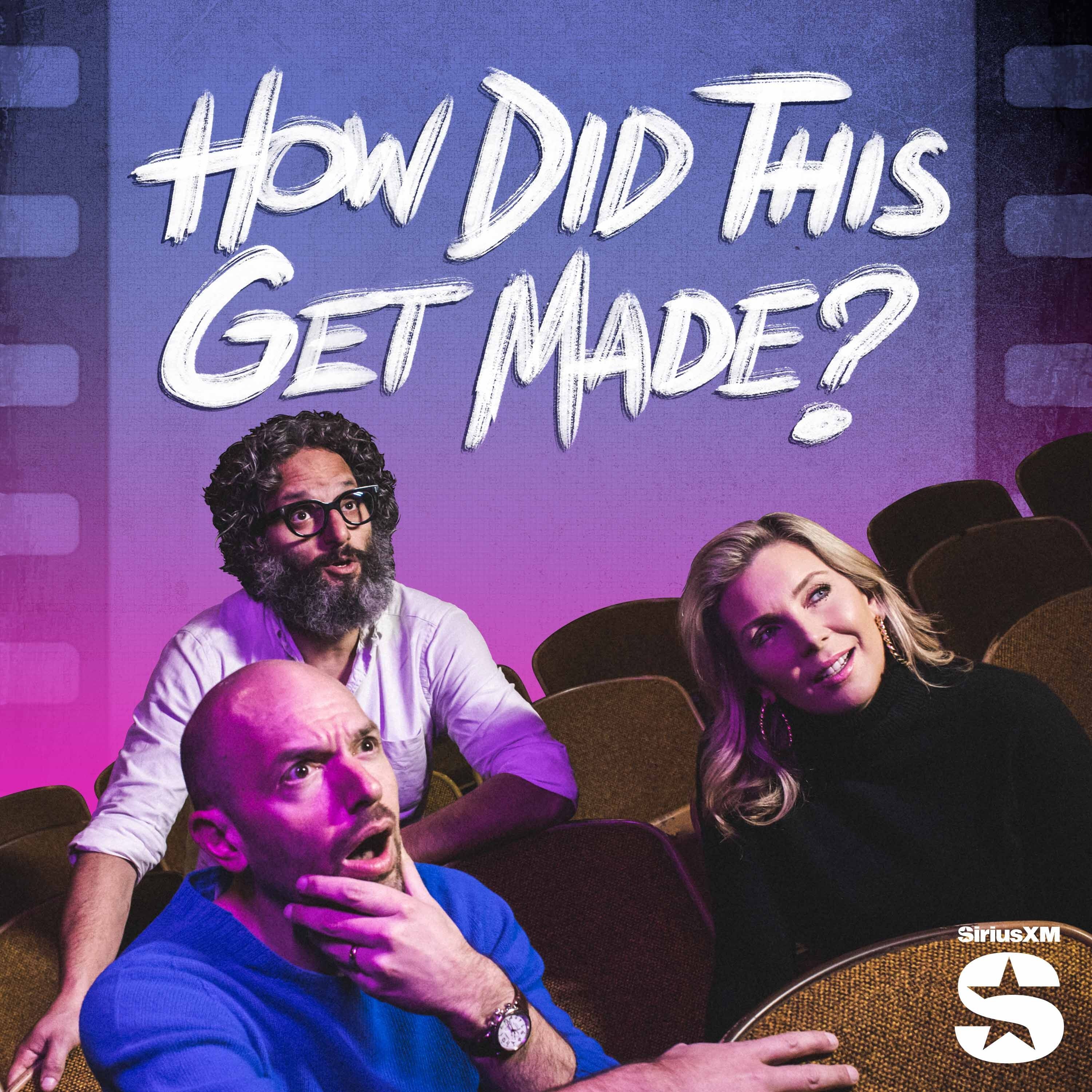
Overview of Monkeybone LIVE! w/ Rob Huebel
This is a live episode of How Did This Get Made? recorded at the New York Comedy Festival (Town Hall) where hosts Paul Scheer, Jason Mantzoukas and guest Rob Huebel dissect the 2001 Henry Selick film Monkeybone — a surreal, stop‑motion/live‑action comedy starring Brendan Fraser and Bridget Fonda (with John Turturro voicing Monkeybone). The episode mixes film analysis, production backstory, audience Q&A (including several people who’d been in comas), alternate-cut clips, and spirited defenses of the movie from fans like Griffin Newman. The panel wrestles with the film’s bizarre premise (a physicalized erection given form as the Monkeybone), tonal confusion (kids’ merchandise vs. adult content), studio interference, and moments of unexpectedly effective comedy.
Main takeaways
- Monkeybone is a wildly strange, tone‑shifting film that bewildered the hosts but kept them engaged — often “gobsmacked” rather than bored.
- Core confusion: film’s target audience is unclear — it mixes child‑aimed merchandising with adult sexual and nightmare imagery.
- Production troubles are central to the film’s reputation: Henry Selick started the project; studio later brought in Christopher Columbus for rework, leading to multiple cuts and deleted scenes (some only on physical media).
- There are passionate defenders: some fans and a guest (Griffin Newman) argue the film is coherent and underrated.
- Standout sequences/performances include Chris Kattan’s physical-comedy third act and many notable cast names underused in service of chaotic material.
Film breakdown — plot, themes, weirdness
- Basic premise (as discussed): Brendan Fraser’s cartoonist Stu (a Gen‑X creative) ends up in a coma and finds himself in a limbo/purgatory downtown populated by nightmares and pop‑culture mascots; his id manifests as Monkeybone — a hyper‑sexual, mischievous character that runs amok aboveground while Stu’s body is comatose.
- The movie blends: Drop Dead Fred (imaginary friend), Jacob’s Ladder (limbo/nightmares), Roger Rabbit (live‑action/animation mix), and gross‑out late‑90s/early‑00s cartoon sensibilities.
- Recurring motifs discussed: repressed sexuality/pubertal anxiety, the collective unconscious/pop‑culture mascots as modern gods, “nightmare juice” as a macguffin (power/energy source for downtown), and critiques of commodifying dark art.
- Tone problems: cartoon pilot and merchandising scenes feel aimed at kids while the actual content (sexualization, animal cruelty implications, violent nightmares) is adult or disturbing.
Production & release notes highlighted
- Henry Selick (Coraline, Nightmare Before Christmas) directed early; the studio reportedly fired him and brought in Christopher Columbus to make the film more “palatable.”
- Multiple cuts and deleted scenes exist — some material (alt opens/endings, deleted sequences) is only reliably viewable on the physical DVD/Blu‑ray releases.
- Ben Stiller was reportedly attached early to play the lead (dropped late); Paul Reubens was at one point associated with the Monkeybone voice; John Turturro ultimately voices Monkeybone.
- The film is often framed as a late‑1990s/early‑2000s time capsule — glossy, manic, and unafraid of transgressive visual ideas.
Cast, performances, and reactions
- Brendan Fraser (Stu): plays the likable but confused artist; his physical presence in both straight and surreal sequences draws mixed reactions.
- Bridget Fonda (Dr. Julie): seen as underused and oddly directioned — the hosts question many of her choices in the film.
- John Turturro (voice of Monkeybone): voice/characterization perceived as inconsistent (some thought it sounded like other actors or was redubbed).
- Chris Kattan: late third‑act physical comedy praised as one of the funniest parts of the movie — many felt he elevated the film’s final stretch.
- Supporting players (Whoopi Goldberg, Megan Mullally, Giancarlo Esposito, Bob Odenkirk, Thomas Hayden Church, Dave Foley) are abundant — panel lamented the wasted top-tier talent.
Memorable moments from the live show
- Repeated, bawdy jokes about the film’s premise (a child’s erection turned into a cartoon monkey) and taglines (e.g., “Get boned”).
- Several audience members who had experienced comas shared short anecdotes; their perspectives were used to parse the film’s coma/limbo logic.
- Clips of alternate scenes and deleted footage were discussed; panel argued many of those missing pieces change comprehension of the film.
- Griffin Newman (fan/defender) delivered an energetic defense — argued the film makes sense, is coherent, and deserves appreciation; he emphasized the need for physical media to see deleted material.
- The panel and audience riffed on deeper readings: Jungian collective unconscious, trickster‑god archetypes, and capitalism as an antagonist (merchandising critique).
Notable quotes & one‑liners from the episode
- “Yes, it’s a movie based on a child’s erection.”
- “We’ve got a couple more inches.” (used jokingly referencing deleted footage)
- Tagline riffs on the film: “Get boned,” “If it yells, if it swings, it’s got to be Monkeybone,” “Bone to be bad.”
- Repeated praise for Chris Kattan’s physical comedy: “single‑handedly electric.”
Verdicts / Who should watch it
- Mixed but intrigued:
- Recommended as a must‑watch for viewers who enjoy fever‑dream cinema, late‑90s/early‑00s oddities, and films that are “so weird you can’t look away.”
- Not recommended for children, or viewers sensitive to sexualized content, unsettling animal treatment, or disorienting tonal shifts.
- Fans of Henry Selick, experimental live‑action/stop‑motion hybrids, or cult/underrated cinema should consider hunting the physical edition for deleted material.
Practical notes & resources mentioned
- Deleted scenes/alternate cuts: many exist only on DVD/Blu‑ray — physical media is the reliable source for this film’s extra footage.
- Some fans reported the movie appearing on streaming platforms (panel mentioned Prime at one point), but availability varies — check physical releases for extras.
- Related podcasts/shows to consult:
- How Did This Get Made? (this live episode)
- Blank Check (Griffin Newman guest defended the film)
- For context on Henry Selick’s oeuvre and studio interference, look at interviews/articles about Coraline/James and the Giant Peach production histories.
Final takeaway
The live episode frames Monkeybone as a polarizing, frequently incomprehensible but endlessly discussable film — equal parts frustrating and fascinating. The film’s ambition, surreal imagery, and great ensemble cast are offset by tone problems, studio tinkering, and missing/deleted scenes. If you’re curious about a late‑90s/early‑00s oddity that invites theory (and a lot of incredulous laughter), this episode — and the film itself — are worth experiencing.