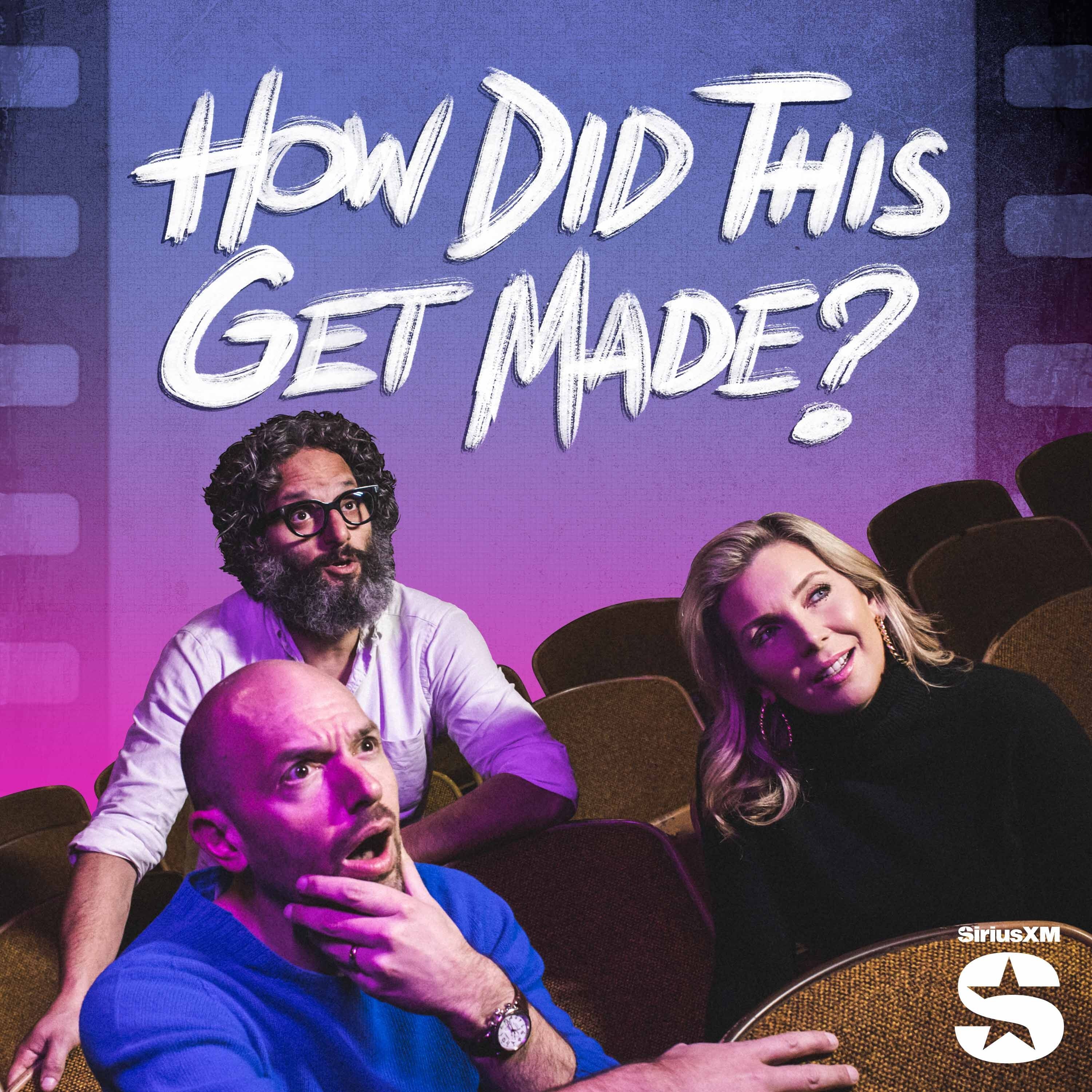
Overview of Law Abiding Citizen LIVE! w/ Adam Pally
This is a live episode (Miller Theater, Philadelphia) of How Did This Get Made?/Last Looks-style programming hosted by Paul Scheer with Jason Mantzoukas and guest Adam Pally. The panel dissects and riffs on Law Abiding Citizen (2009) — the Gerard Butler / Jamie Foxx vigilante-thriller — mixing plot breakdown, angry laughter at plot holes, legal/forensic nitpicks, audience Q&A, and on-stage anecdotes from people who were actually involved in the production.
Episode & guest details
- Hosts: Paul Scheer, Jason Mantzoukas (June Diane Raphael absent)
- Guest: Adam Pally (actor/comedian; How Did This Get Made alum)
- Format: Live, audience-driven commentary and Q&A; clips and monologues read aloud
- Primary film discussed: Law Abiding Citizen (2009), directed by F. Gary Gray, starring Gerard Butler (Clyde Shelton) and Jamie Foxx (Nick Rice)
Core summary of the discussion
- Rapid recap of the film’s structure: brutal home invasion → plea-bargain outrage → Clyde’s decade-long vendetta → courtroom showdown → prison/escape via tunnel system → city-wide revenge plot culminating in a bomb/briefcase napalm device and an unsatisfying ending.
- Hosts repeatedly debated “whom to root for”: Butler’s charismatic, morally monstrous Clyde vs. Jamie Foxx’s sympathetic, by-the-book prosecutor Nick.
- They highlighted the film’s strengths: propulsive pacing, Butler’s magnetic performance, memorable violent set-pieces, and audacious big-idea premise (private retributive justice vs. legal system).
- They also cataloged a long list of failures: inconsistent tone, weak/missing backstory for secondary antagonists, sloppy plot logistics (tunnels/cameras/evidence/forensics), implausible legal behavior, and an ending that many felt undercuts the film’s setup.
Key takeaways
- Entertainment vs. plausibility: The movie is wildly watchable and frequently “fun” despite—or because of—its many logical and legal flaws.
- Gerard Butler’s role is the emotional/charismatic center; viewers can easily end up rooting for a monster because of the film’s choices.
- The screenplay and editing stripped or softened elements (reportedly multiple versions, Frank Darabont originally attached), which created unresolved arcs and tonal mismatches (e.g., making the prosecutor more sympathetic).
- Law & procedure are treated carelessly: plea bargains, evidence handling, courtroom behavior, prison logistics, and execution protocols are often unrealistic.
- The film’s violent, CGI/prop-heavy set pieces are both a draw and the source of its most problematic scenes (graphic torture, judge assassination via phone-gun, huge prison blast).
Notable quotes & moments mentioned
- The title line/monologue: “Your Honor, I’m a law-abiding citizen…” — long courtroom tirade that lands as one of the movie’s standout scenes.
- The judge’s assassination moment: the judge receives a phone-gun headshot during trial/chambers — cited as one of the film’s most infamous set pieces.
- Repeatedly mocked lines: “I bet you take it up the fucking ass” (used as an example of dated homophobic insult and screenwriting shock value).
- Audience anecdotes: on-stage Q&A included production stories — body double moments, a car being featured, an extra who became an on-set spouse, and an extra who was the prison guard for nine days.
Legal, logistical, and plot problems the panel flagged
- Timeframe confusion: 10-year planning/execution timeline is hard to track; technology mix (flip phones/early smartphones/2009 tech) muddles dating.
- Tunnel & prison logistics: improbable ability to dig an elaborate tunnel city unnoticed, lack of surveillance/cameras, guard routines too lax.
- Evidence handling: why the real perpetrator’s DNA didn’t convict him; disbelief at how plea bargains and prosecutorial choices are dramatized.
- Courtroom and official roles: confusion about who the DA is, mayors appointing DAs, judges’ conduct in trial, lawyers attending executions, etc.
- Device/weapon logic: robot graveyard executioner and phone-gun devices are implausible and inconsistent in how they function (EMP vs. radio interference, etc.).
Production & sequel notes discussed
- Early development shifts: Frank Darabont reportedly left over changes; F. Gary Gray directed the released film.
- Casting/role swap lore: stories that Butler and Foxx switched intended roles during development; the panel speculated how that may have altered tone.
- Sequel/prequel development: rumors and announcements in mid-2020s about a standalone sequel/prequel and Butler producing; the panel noted the franchise potential given the film’s audience appetite.
Live audience highlights & Q&A themes
- Several audience members were extras or crew: stories about stunt/body-double work, the Del Frisco’s restaurant set, a viewer’s car appearing in a prison-lot shot.
- Two recurring audience games: “pause and guess the ending” and fan theories about who would be framed/killed.
- Fan reviews read aloud ranged from ecstatic five-star defenders (the film as a cathartic take on justice) to nitpicky legal-minded commenters noting procedural errors.
Final judgment (hosts’ consensus)
- Fun, flawed, and hugely rewatchable for people who enjoy big-concept thrillers and charismatic antiheroes.
- The film “works” emotionally for many viewers despite the cracks — the panel loved Butler’s commitment but wished the script and ending had been sharper and more morally interrogative.
- Worth watching (and arguing about)—recommended for fans of pulpy, violent revenge cinema and for group watch/discussion.
Recommended next steps / for listeners
- If you like provocative thrillers that prioritize premise and spectacle over procedural realism, watch Law Abiding Citizen.
- Listen to this episode if you want a spirited, comedic, nitpicky live take on the film—and for the community anecdotes from people who worked on it.
- If you’re a lawyer or hardcore procedural fan, bring popcorn and a red pen.
If you want a concise list of the movie’s biggest plot holes or the panel’s top three favorite scenes, I can add that as a short follow-up note.