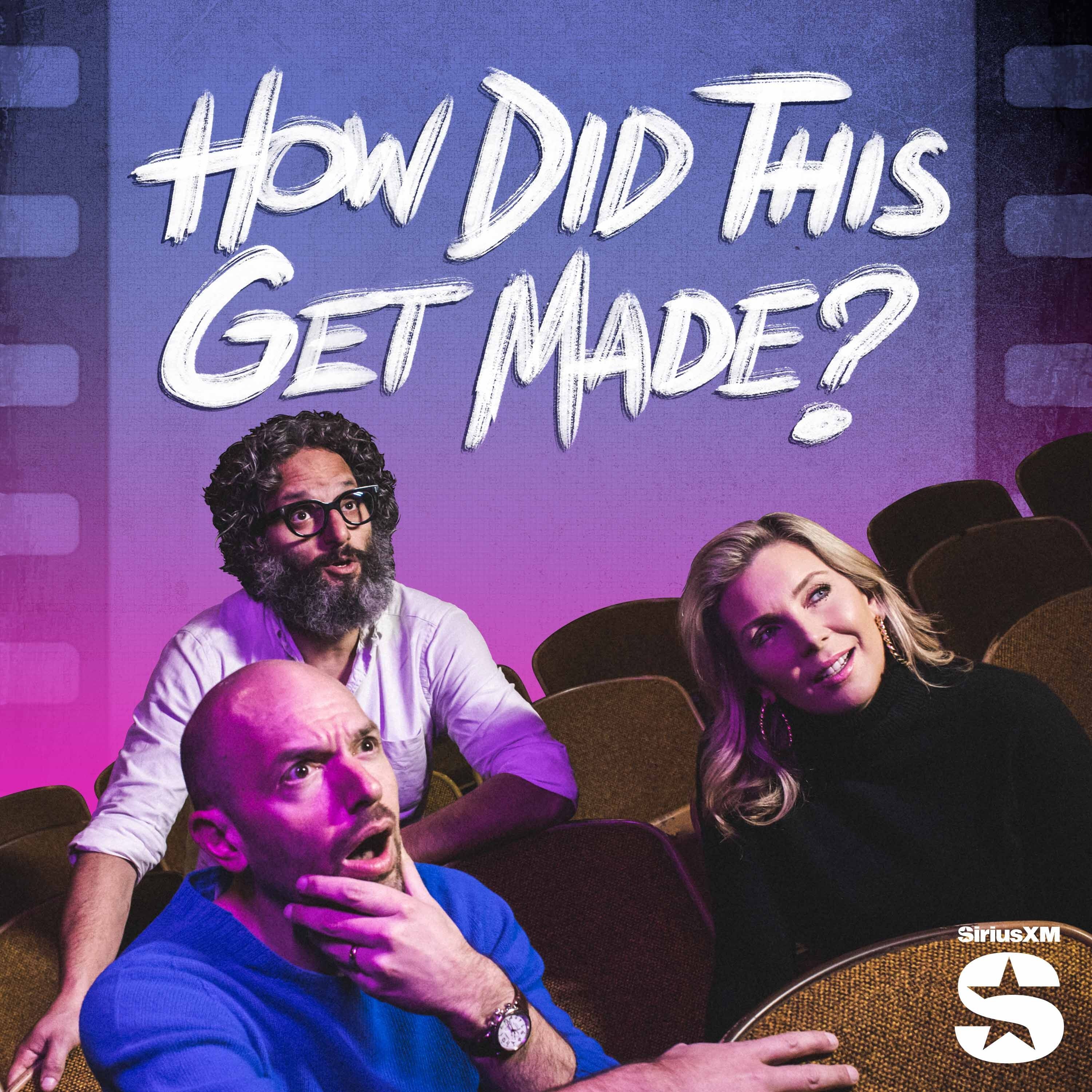
Overview of Disclosure w/ Nick Kroll & Emily Altman (HDTGM Matinee)
This How Did This Get Made? Matinee episode (Earwolf) breaks down Michael Crichton’s 1994 techno-thriller Disclosure — starring Michael Douglas and Demi Moore, directed by Barry Levinson — with guests Nick Kroll and Emily Altman (who co-wrote a Big Mouth episode that features a Disclosure musical). The hosts analyze the film as a 1990s time capsule: a big-studio adult drama/thriller about reversed sexual-harassment, early VR/CD‑ROM tech, corporate intrigue, and mixed messages about power, gender, and morality.
Main topics discussed
-
Film basics and context
- Disclosure (1994): large-budget studio thriller marketed around sex, power and workplace harassment.
- Key creatives: novel by Michael Crichton; screenplay by Paul Attanasio; director Barry Levinson; score by Ennio Morricone.
- Big-budget production values and A‑list cast make it unusually polished for a movie with controversial subject matter.
-
Plot essentials (spoiler-light)
- The movie centers on a corporate merger built on a VR / CD‑ROM product (described as a virtual filing-cabinet corridor). Michael Douglas’s character is sexually harassed by an ex who becomes his boss (Demi Moore). That allegation becomes entangled with manufacturing delays, sabotage, and a plot to scapegoat him to protect the merger.
-
Themes and tone
- Power, workplace harassment, gender roles, and the ambiguity of “gray” ethical territory.
- The film mixes a serious legal/ethical thriller with 1990s sexual melodrama; this leads to mixed messaging about victims, perpetrators, and consent.
- The film aged oddly: prophetic in some ways (conversations about gender and power), antiquated in others (technology, style, tone).
-
Standout elements & cast beats
- The infamous office sex scene (and how it’s staged/shot).
- The film’s depiction of early VR as a literal filing‑cabinet corridor.
- Strong supporting turns (Donald Sutherland, Dennis Miller cameo, and character actors like Dylan Baker and Kato Kaelin).
- Memorable production design: glass offices, pleated 90s fashion, mullets, oversized cell phones.
Key takeaways and critiques
- The movie is an effective time capsule of mid‑90s corporate culture, tech optimism, and anxieties about gender/power shifting in the workplace.
- Performances and technical craft are competent — which makes the movie more dissonant and unsettling than campy fare; it isn’t laughably bad, it’s just thematically fraught.
- The film’s treatment of sexual harassment is muddled: it attempts to explore “both sides” but often ends up sending mixed or regressive messages about agency and culpability.
- The tech (VR/CD‑ROM) is hilariously dated as a depiction of immersive experiences (a virtual hallway with filing cabinets).
- Nick Kroll and Emily Altman emphasize the film’s usefulness as context for Big Mouth’s Disclosure musical parody and praise the movie’s capacity to inspire creative reinterpretation.
Notable scenes & memorable moments mentioned
- The office sex/sexual‑harassment scene — central to the film’s reputation and to the podcast conversation.
- The VR “corridor” demo (big money shot) — ostentatiously underwhelming onscreen representation of VR.
- Donald Sutherland’s detached, sometimes oddly accented performance and a surreal “vampiric” dream/memory sequence.
- Dennis Miller’s cameo and era‑specific quips (examples of 90s comic sensibilities).
- Michael Douglas’ one‑sided cell‑phone phone work and the tropey “glass office” eavesdropping beats.
- Big Mouth connection: a season‑3 episode features a musical adaptation of Disclosure (Emily Altman co-wrote), which was Nick Kroll’s reason for requesting this podcast episode.
Notable quotes from the episode / film lines highlighted
- Film tagline referenced in the discussion: “Sex is power.”
- Demi Moore’s film line cited about tech offering “freedom from the physical body… freedom from race and gender” — ridiculed on the podcast for being aspirational and wrong‑footed in hindsight about the Internet.
- Michael Douglas’ line discussed in the podcast: sexual harassment “is about power.”
- The hosts repeatedly call out the film’s insistence on “gray” moral territory as both its ambition and its flaw.
Context & recommendations
- If you’re watching Big Mouth season 3 (Netflix): the Disclosure musical episode is a direct creative riff on the movie — watching Disclosure beforehand enhances appreciation for the parody beats. (Podcast cited Big Mouth S3 release date as October 4 — note: that was the original release window mentioned in the episode.)
- Recommendation summary from the hosts: Disclosure is worth watching — not because it’s a triumph, but because it’s compelling, paradoxical, and a provocative artifact of its time. It’s especially interesting if you want to study 90s gender/power narratives or enjoy informed parody (like the Big Mouth musical).
Quick facts & corrections (from podcast + authoritative notes)
- Novel: Michael Crichton wrote the source novel.
- Screenplay: Paul Attanasio (often misspelled in casual conversation).
- Director: Barry Levinson.
- Composer: Ennio Morricone.
- Stars: Michael Douglas and Demi Moore; notable supporting players include Donald Sutherland and Dennis Miller.
- Box office: the podcast mentioned a $55M budget and roughly $83M domestic (their numbers); they also cited larger worldwide totals in conversation.
- The film’s tech pitch (VR/folder corridor and CD‑ROM manufacturing) is a real 90s artifact — interesting for cultural study, not for accurate prescience about modern VR.
Production & podcast logistics covered
- Nick Kroll requested this episode to support and contextualize the Disclosure musical in Big Mouth; Emily Altman co-wrote that Big Mouth episode.
- The hosts praise the film’s craft even while critiquing its messages — it’s “well-constructed trash” in their words.
- Sponsors and ad reads in the episode: Kleenex Lotion, Lowe’s, Stamps.com, Squarespace, eBay, Mint Mobile, Progressive Commercial, Carvana, DSW, Angie.com (typical HDTGM ad slate).
Final verdict (short)
Disclosure is a provocative, well-made 1990s studio thriller that’s uneven in ethics and tone. It’s recommended as a must‑see cultural time capsule and a useful primer if you want to catch the Big Mouth Disclosure musical references — but watch it with an eye for its problematic, mixed messages about gender and power.