Overview of Cool World (HDTGM Matinee)
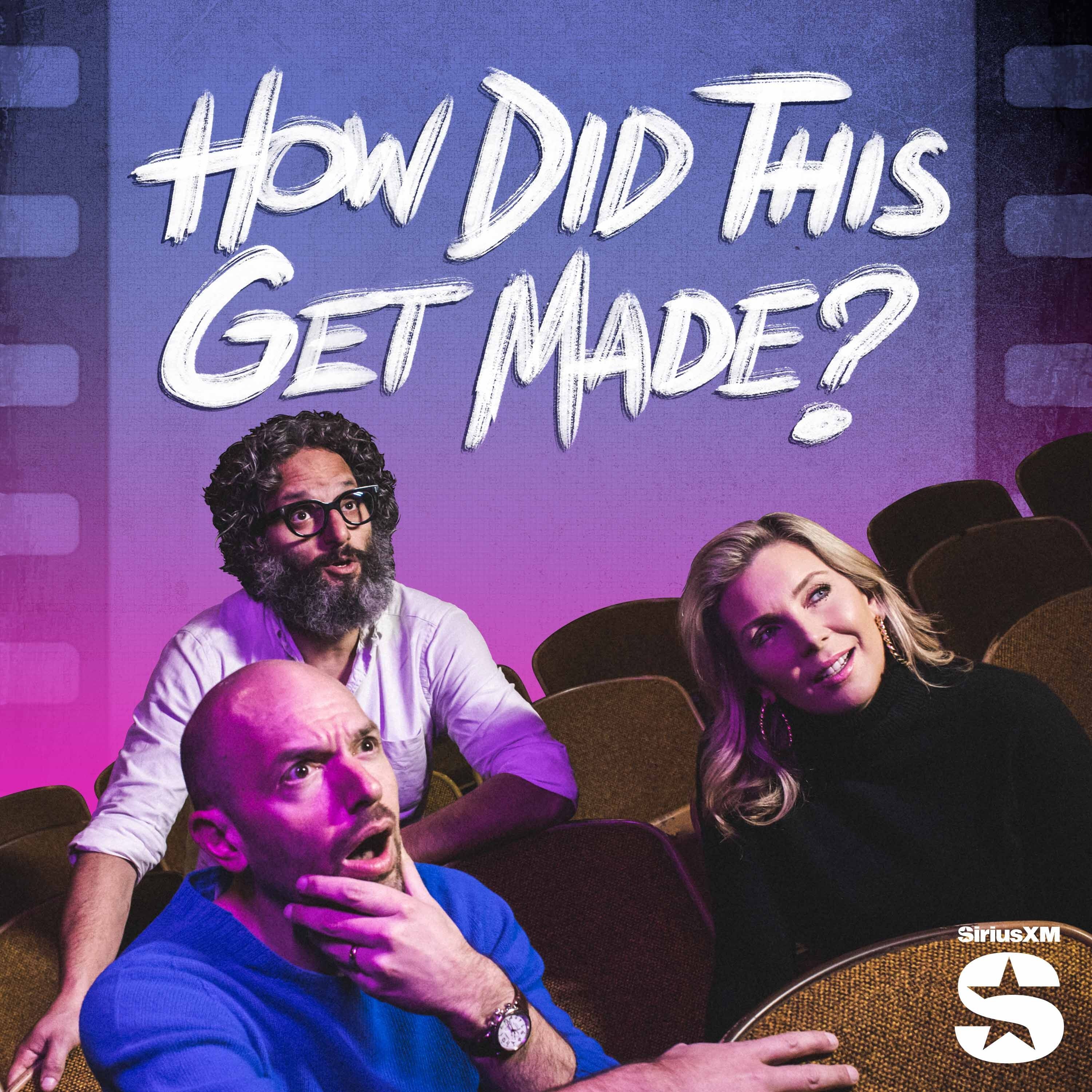
This episode of How Did This Get Made (Earwolf) — a Matinee edition hosted by Paul Scheer with Jason Mantzoukas and guest June Diane Raphael — watches and dissects Ralph Bakshi’s 1992 hybrid live‑action/animation film Cool World. The hosts break down the plot, production chaos, inconsistent rules for the film’s cartoon ("doodle") vs. human ("noid") worlds, highlight standout elements (chiefly Kim Basinger’s performance and Bakshi’s animation), and ultimately debate whether the movie is worth watching.
What the episode covers
- A running recap of Cool World’s confusing plot: the Brad Pitt character Frank Harris (a human/noid cop) is pulled into Cool World after a 1940s motorcycle accident; Gabriel Byrne is a comic creator who’s entangled with his creation, Hollywood (Kim Basinger); the single, roughly enforced rule is “noids do not have sex with doodles.”
- Repeated examples of the film’s logical problems: timeline inconsistencies, unclear stakes, muddled character motivations, and frequently changing rules about what doodles/noids can do.
- Praise for certain elements:
- Kim Basinger’s performance as “Hollywood.”
- Ralph Bakshi’s distinctive, often lurid animation and visuals.
- Some entertaining chaotic cartoon sequences (Cool World invading Las Vegas, visual gags).
- Criticisms:
- Brad Pitt’s character lacks a meaningful arc.
- The movie feels like multiple scripts stitched together; it’s tonally and structurally inconsistent.
- PG‑13 trimming of what was originally pitched as a much darker, R‑rated concept blunts the film’s coherence.
- Production & release trivia: chaotic behind‑the‑scenes rewrites and casting changes, a controversial marketing stunt placing the Hollywood character on the Hollywood sign, and box office failure (approx. $30M budget vs. ~$14M gross).
Key takeaways and main critiques
- Confusing narrative and rules:
- The film never clearly establishes who created what, why characters act as they do, or what the stakes truly are when doodles and humans cross worlds.
- Inconsistent diegetic logic (doodles can be physically affected in the real world, yet remain cartoonish; rules like “no sex between noids and doodles” are enforced selectively).
- Strong visuals, weak story:
- Bakshi’s animation and some set pieces are visually compelling and bizarre in interesting ways.
- Those strengths don’t compensate for plot incoherence and poor structural choices.
- Performances:
- Kim Basinger is widely regarded by the hosts as the movie’s highlight — she elevates many scenes and supplies unexpectedly funny physical comedy.
- Gabriel Byrne’s creator role is intriguing in concept but muddled in execution; Brad Pitt’s role is underwritten.
- Tone and intended audience:
- Originally pitched as adult animation (darker/sexual), the film landed in PG‑13 territory, creating a mismatch between intent and release.
- Production history contributes to the mess:
- Multiple script rewrites, role swaps, and on‑set conflicts helped create a patchwork final product.
Notable quotes & recurrent lines
- “Noids do not have sex with doodles.” — The film’s one often‑stated rule and a recurring point of plot confusion.
- Tagline read in episode: “Hollywood, if she could, and she will.”
- Hosts’ shorthand for the movie: “a gorgeous mess” — visually interesting but narratively incoherent.
- Episode advice repeated to listeners: watch the first 20 minutes to get the shock/experience (as guest June did) and realize how quickly the film destabilizes your expectations.
Reception and “second opinions”
- The hosts read several Amazon five‑star reviews: many viewers either love the film’s weirdness or find it a cult puzzle deserving multiple viewings.
- General consensus on the podcast:
- If you enjoy unusual animation, willingness to tolerate incoherence, or are curious about Ralph Bakshi’s aesthetic, it’s worth seeing.
- If you watch for narrative clarity or conventional character arcs, steer clear.
Recommendation — should you watch it?
- The hosts’ bottom line:
- Jason: Ultimately recommends it if you accept it as a strange, messy visual experience rather than a cohesive film.
- Paul: Adds it to his “definitely watch” list for its uniqueness and chaoticness.
- June: Less enthusiastic — enjoyed Kim Basinger and some humanized Hollywood scenes, but didn’t connect with the animation world enough to recommend broadly.
- How to watch: Treat it as a visual, slightly stoned/stoner‑friendly experience; don’t expect to understand everything. The episode suggests letting the visuals wash over you rather than trying to reconstruct consistent rules.
Themes & interesting reading angles
- Creator vs. creation: the potentially compelling idea of a creator trapped within his creation (Gabriel Byrne’s role) is present but not fully realized.
- Noir/film‑noir tropes vs. adult animation: the movie mixes 1940s noir archetypes, femme fatale energy, and alt‑comics sexualized aesthetic (e.g., comparisons to Fritz the Cat, Heavy Metal) — an uneasy mashup.
- Cult/alt‑comics lineage: Cool World channels an alt‑comics/“adult cartoon” sensibility that made it controversial at release.
Practical notes from the episode
- Runtime & production: the hosts reference the film’s troubled production and changed creative vision (R → PG‑13), plus marketing that angered people (Hollywood figure on the Hollywood sign).
- Box office: Budget approx. $30M; gross about $14M (failure on release).
- Suggested listening/viewing follow‑ups: Who Framed Roger Rabbit (for comparison) and Ralph Bakshi’s other work if you want to explore the director’s style.
Closing / tone of the episode
- The hosts close with gratitude to frontline workers and encouragement to use entertainment as a small solace during difficult times.
- The episode mixes genuine bafflement, affectionate ridicule, and appreciation for the movie’s visual ambition — a typical HDTGM blend of critique and humor.
If you want a single‑line takeaway: Cool World is a visually striking, deliriously confused mashup that’s fascinating to watch but nearly impossible to follow — fun for viewers who enjoy weird cinema and less so for those who want coherent storytelling.