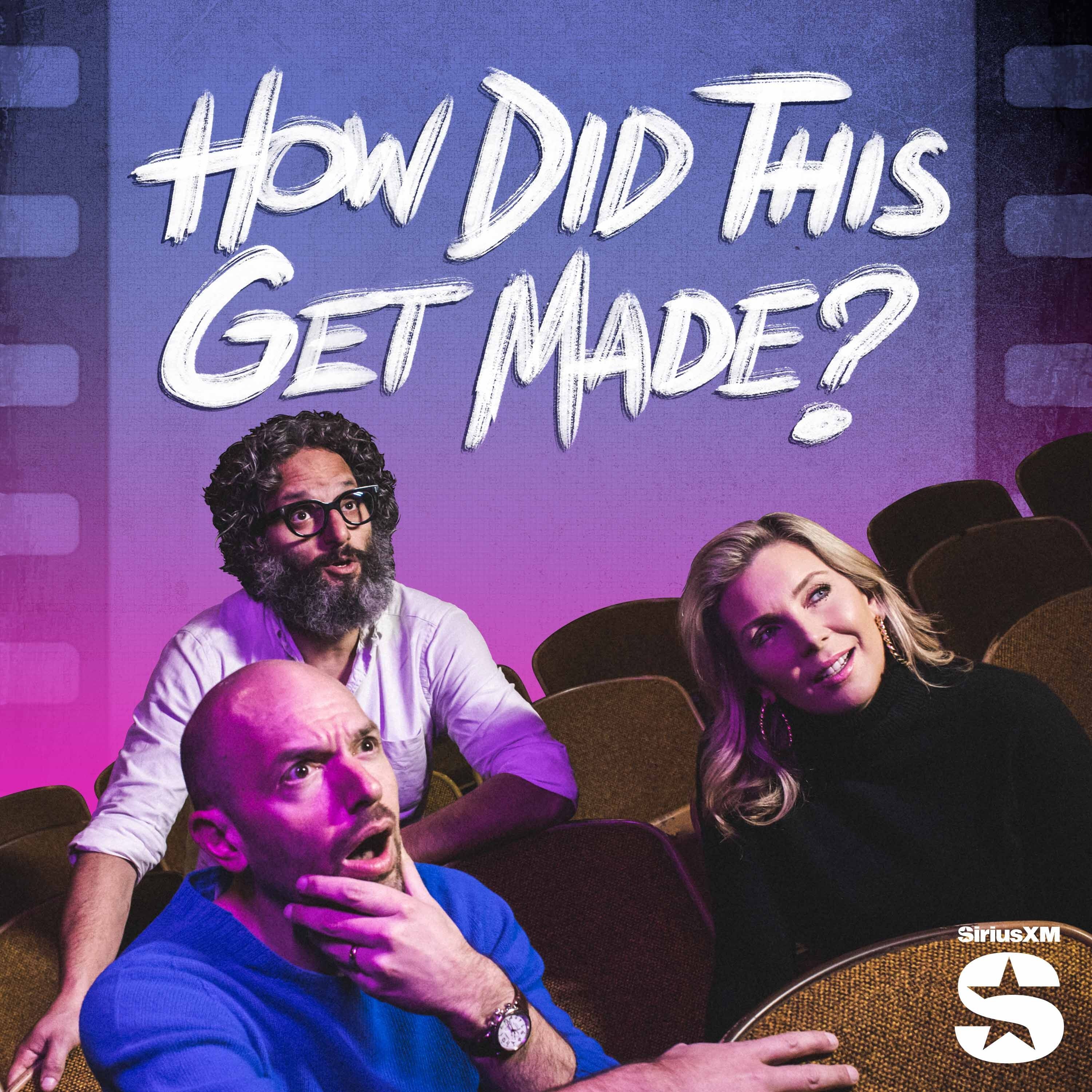
Overview of Body Rock LIVE! w/ Alison Brie (HDTGM Matinee)
This is a live episode of How Did This Get Made? (Matinee) recorded at Largo, where hosts Paul Scheer, June Diane Raphael, and Jason Mantzoukas — with guest Alison Brie — watch and roast the hard-to-find 1984 film Body Rock (starring Lorenzo Lamas). The show mixes scene-by-scene reactions, broader cultural criticism (music-video direction, production values, and the era’s breakdance craze), audience Q&A, and comedic tangents. Expect frank, adult humor and a mix of sincere praise (certain performances, set pieces, soundtrack moments) and scathing derision (lead character, plotting, technical problems).
Main topics and structure of the episode
- Quick context: Body Rock (1984) — compared alongside contemporaneous breakdance films (Breakin', Breakin' 2, Beat Street, etc.). Mentioned that the film is largely only available on YouTube and in poor resolution.
- Hosts’ first impressions: grimey NYC look, music-video aesthetic, and confusion over the film’s tonal and narrative focus (graffiti → breakdancing → rap → club ownership).
- Character & plot analysis:
- Chili (Lorenzo Lamas): lead is written as talentless, selfish, violent, misogynistic; hosts debate whether he’s redeemable or simply a bad protagonist.
- Supporting characters: Darlene (ambiguous age/profession—nurse/administrative medical worker), Magic (the genuinely talented young dancer), Terrence/Donald (club owners/investors), and Chili’s mother (unwell, scene noted).
- Technical & artistic observations:
- Direction feels like a music-video guy’s effort — strong visual/dance set pieces but weak narrative coherence.
- Sound editing and musical/rhythmic coherence criticized (off-beat rapping, unintelligible lines, poor mixing).
- Notable production moments: skeleton dance, giant boombox set piece, camera under glass floor shot.
- Cultural critique:
- The film’s racial dynamics: white lead becomes face of a predominantly Black/Latinx-origin art form — hosts discuss cultural appropriation and marginalization (Magic’s role vs. Chili’s stardom).
- Problematic elements left unexamined: homophobia, misogyny, and on-screen sexual/physical aggression that the film fails to handle responsibly.
- Audience engagement:
- “Double Takes” segment (audience Q&A) with jokes about breakdancing names, confusion about character ages, whether Darlene is a doctor, Magic’s age, and why friends are/aren’t on guest lists.
Key criticisms and praise (concise)
- Criticisms
- Lead character (Chili) is unsympathetic and often abusive; film fails to make him interesting or justify his arc.
- Narrative incoherence: unclear goals, mixed genres, abrupt scene/tonal shifts.
- Technical problems: bad audio mixing (many lines unintelligible), poor lighting in late scenes, and low- quality transfers on YouTube.
- Problematic depictions (homophobia, misogyny, violence) are not addressed within the film.
- Lorenzo Lamas’ musical/performative limitations — hosts mock off-beat rapping, lip-syncing issues.
- Praise
- Strong dance sequences (especially Magic and the skeleton routine) and some inventive set pieces (giant boombox).
- Occasional catchy songs — theme peaked at #48 on the Hot 100; Lorenzo Lamas’ "Fools Like Me" charted.
- Authentic, grimy 1980s NYC vibe and solid production design for stage sequences.
Notable scenes & comic highlights discussed
- Opening graffiti/dance sequences — bold to start with music and choreography before character setup.
- Mom falling off bed — unsettling, used to highlight Chili’s negligence.
- Roast beef kitchen scene — described as off-putting and creepy.
- Sex scene with Sheila from A Chorus Line — awkward choreography, costume/zippers noted as absurd.
- Chili’s Ferris Bueller-like direct-to-camera strut and collar-popping leather jacket moment.
- Finale “rap-stravaganza” — chaotic club layout, confusing staging, crowd reactions, two competing claps, and a muted moment that kills momentum.
- Repeated jokes about breakdancing lessons (June learned some for GLOW), host-to-host breakdance banter and mock battles.
Data, trivia & factual points cited
- Release year: 1984.
- Box office: Opening weekend ~$630,000; domestic gross ~$1.6 million.
- Chart trivia: Theme song reached #48 on the Hot 100; Lorenzo Lamas had a charting track in 1984.
- Contemporary competition in 1984: Breakin', Breakin' 2: Electric Boogaloo, Beat Street, etc.
- Director background: Primarily a music-video director (Bon Jovi, Mötley Crüe) — explains visual focus but poor long-form storytelling.
- Availability: Mostly only accessible on YouTube in low resolution; hosts bemoan lack of proper transfer/HD.
Audience reactions & second opinions
- Live audience answered questions about character ages, Magic’s age, and logistics of the club scenes.
- Online reviews run the gamut from facetious five-stars to harsh criticisms; an IMDB reviewer offered an earnest positive case praising music, fashion, locations, and nostalgia.
- Hosts’ consensus: mixed nostalgia appreciation for the era and music, but overall a flawed movie not recommended as a quality watch; soundtrack/music might be worth sampling separately.
Final takeaways & recommendations
- If you watch Body Rock: go in expecting a music-video-directed time capsule — strong choreography/set design moments but often offbeat, poorly edited, and narratively thin.
- Recommended if: you’re an 80s nostalgia fan, interested in breakdance-era curiosities, or want to mine awkward cinema for podcast-style riffing.
- Not recommended if: you expect coherent character development, tasteful treatment of sensitive issues, or high production polish.
- Suggested listening/alternate: Hosts liked “Vanishing Boys” and the Body Rock theme — consider sampling the soundtrack or individual tracks over watching the whole film.
Plugs & housekeeping (from episode)
- Guest Alison Brie:
- GLOW Season 2 (Netflix) — she mentions breakdance training for the show.
- Unspooled (podcast with Amy Nicholson) — a miniseries watching AFI Top 100 movies.
- Sponsors and ads peppered through the episode: Applebee’s, LinkedIn Jobs, Mint Mobile, eBay, Gelt (CPA/tax service), SiriusXM, Lowe’s.
- Production shoutouts: Avery Halley (clip editing) and Nate Kiley (research).
Content note: the episode includes explicit, sexual, and coarse comedic material; hosts and audience frequently trade ribald jokes and discussions.