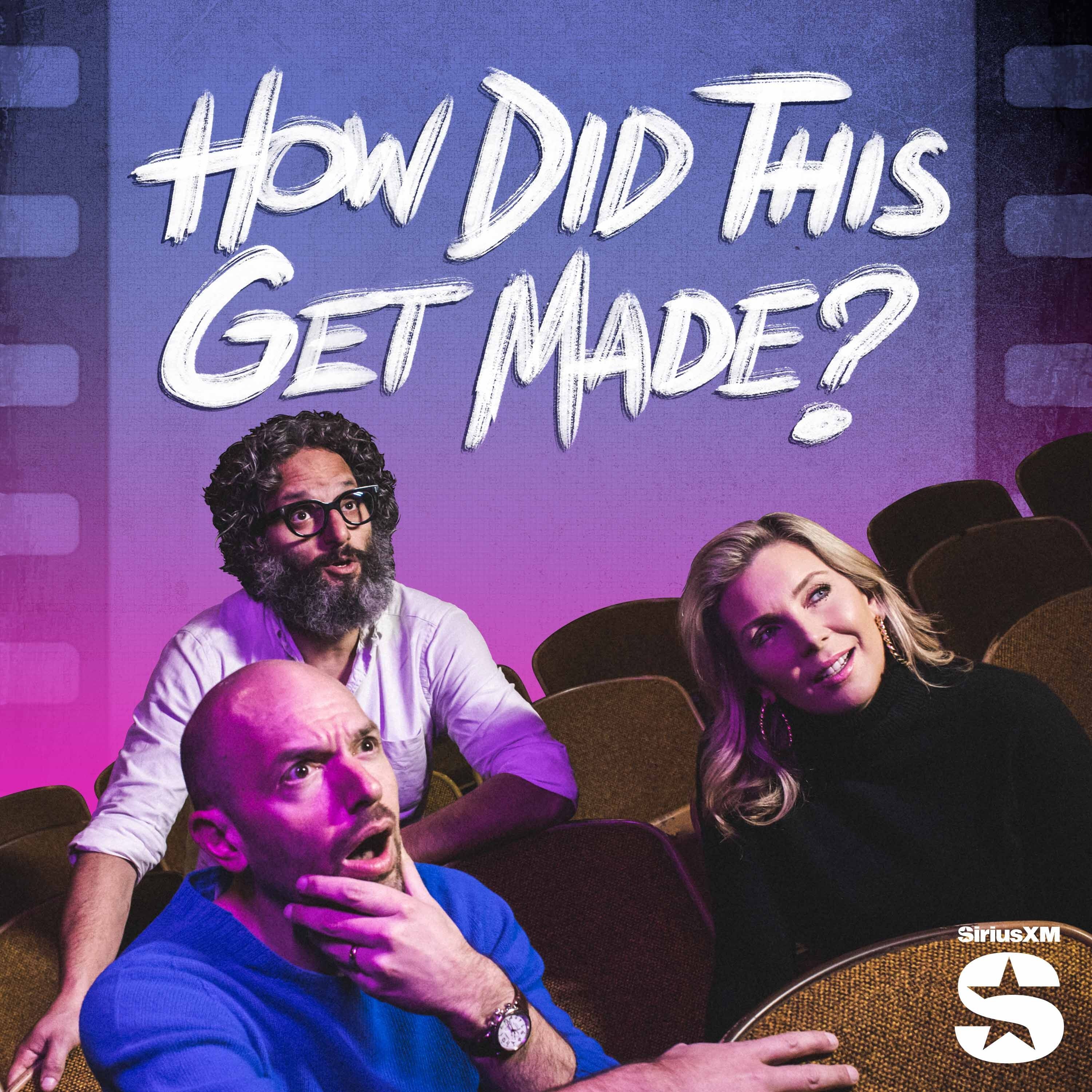
Overview of A Sound of Thunder LIVE! (Classic)
This episode of How Did This Get Made? (live at Largo) features Paul Scheer, Jason Mantzoukas and June Diane Raphael riffing on the 2005 film A Sound of Thunder — a big‑budget, Ray Bradbury–based time‑travel movie that famously hit theaters with unfinished visual effects. The hosts dissect plot logic, performances (especially Ed Burns and Ben Kingsley), the movie’s dreadful CGI, production problems, and why the film spectacularly fails as both science‑fiction and entertainment.
Episode format and context
- Live show at Largo with audience Q&A.
- Hosts: Paul Scheer (moderator), Jason Mantzoukas, June Diane Raphael.
- Film context: 2005 theatrical release, based on Ray Bradbury’s short story “A Sound of Thunder.”
- Key production facts noted in the episode: reported $80M budget (cut to ~$30M in post), unfinished effects forced into theatrical release, Czech Republic floods damaged sets, worldwide gross ~ $11M (domestic ~$1M). Rotten Tomatoes cited ~6% (critic) and ~18% (audience). Runtime: ~1h50m.
Main takeaways
- Time‑travel logic is inconsistent and poorly handled:
- The film’s “time waves” idea (changes arriving in stages: plants → animals → humans) is confusing and implausible within the movie’s own rules.
- The tour always returns to the exact same prehistoric spot, which should cause obvious paradoxes and crowds — the film ignores this.
- The protagonists remember inconsistently across timeline reversions, creating narrative confusion.
- Visual effects and production issues define the movie:
- CGI is widely mocked — dinosaur and creature effects were unfinished or low quality, often resembling early game cutscenes.
- Studio/production problems (budget cuts, bankruptcy of production co., floods) explain many unfinished or inexplicable elements.
- Performances:
- Ed Burns’s lead is criticized as flat and emotionally disengaged; the characters’ underreaction to disaster is a running joke.
- Ben Kingsley is a highlight — energetic, scene‑stealing presence despite limited screen time and questionable wig/costuming.
- Wallace Shawn has small moments; other cast members are unevenly used.
- Tone and worldbuilding:
- The future (2055) design choices are inconsistent — “clear moving boxes,” “future taxis,” uneven costumes, and many cheap-looking green‑screen city shots.
- The movie leans into “plants/nature as villain” imagery but never establishes coherent stakes or ecology.
- Entertainment value:
- The hosts ultimately don’t recommend the film as good, but say it’s worth watching for “so‑bad‑it’s‑fascinating” reasons: unfinished CGI, baffling logic, and curious production anecdotes.
Notable scenes & elements discussed
- The T‑Rex/Allosaurus confusion: the movie misidentifies dinosaur species and periods (audience pointed out timelines were wrong).
- The butterfly that alters the future (central premise borrowed from Bradbury) — hosts question why a single insect causes staged “waves” of change rather than an immediate alternate timeline.
- The catfish/fish‑people transformation (final wave) — bizarre creature design and tonal mismatch.
- Visual oddities: treadmill/green‑screen walking shots, poorly spelled CGI signage (e.g., “cabanis / cannabis” signage), weird hologram/animal zoo scenes, and awkward champagne tower moments at parties.
- Tammy (Time Alteration Manipulator Interface) — an underused plot device/AI with a ridiculous acronym.
Memorable lines / bits from the hosts
- Repeated mocking of Ed Burns’s underreaction (e.g., “Ah, nuts” as a replacement for many of his lines).
- “This feels like a Sega CD cut‑scene” — recurring gag comparing CGI to cheap game graphics.
- Jason: “A sound of thunder! ASOT!” — comic energy in the live show.
- The hosts’ repeated riff: plants/trees are the real villain.
Production and historical trivia mentioned
- Originally reported budget: $80M; cut down in post to ~$30M; effects unfinished on release.
- Filming issues: severe floods in Czech Republic damaged sets and forced production moves.
- Intended prestige/scale was gutted by financial and post‑production collapse.
- Ray Bradbury’s short story has different outcomes in some adaptations — audience member noted the original ends with a different political change (example: alternate history element).
Audience Q&A highlights
- “Wouldn’t the volcano have killed the butterfly anyway?” — hosts note the film relies on a split-second change despite volcanic timeline questions.
- Film’s dinosaur choice and timeline accuracy were criticized (the species used didn’t match the epoch depicted).
- Some recall Bradbury’s original story featuring very different consequences.
Recommendations / who should watch
- Not recommended if you want a coherent, well‑crafted sci‑fi film.
- Recommended if you enjoy:
- Movies with spectacularly bad or unfinished CGI.
- Studying how production problems can derail a film.
- Comedy commentary (this episode itself is entertaining and clarifies why the movie fails).
- If you watch: focus on Ben Kingsley’s scenes, the worst CGI highlights, and the bizarre worldbuilding — you can safely skip long chase scenes.
Quick summary (one‑liner)
A Sound of Thunder (2005) is a high‑concept time‑travel movie crippled by production failures, incoherent time‑wave rules, and unfinished CGI — entertaining now mostly as a case study in how big budgets and bad post‑production can produce gloriously baffling cinema. The podcast episode is a lively, sarcastic demolition with a few genuine nuggets (Ben Kingsley’s performance, production backstory) and plenty of laughable moments.