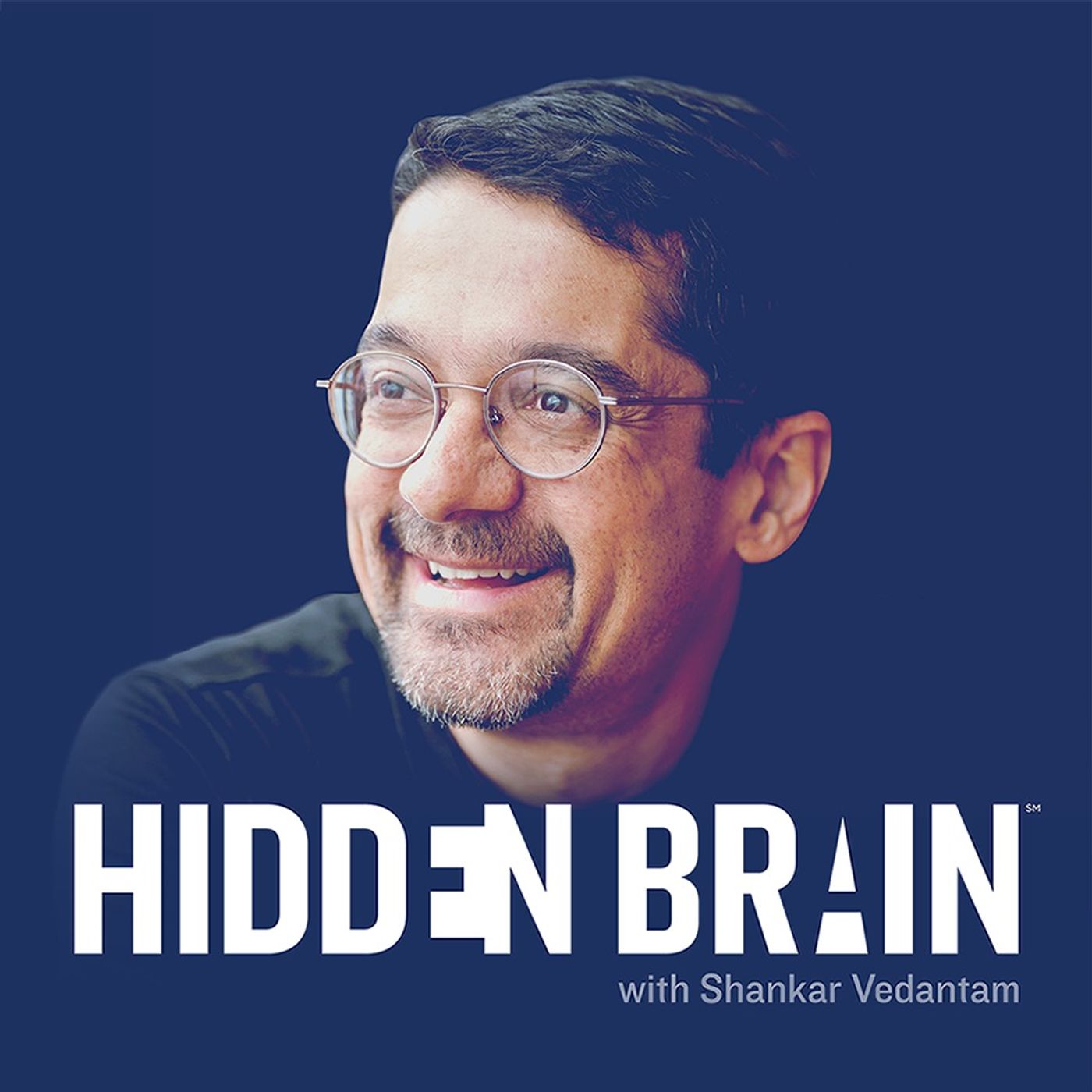
Overview of What Art Does For Your Brain
In this episode of Hidden Brain, Shankar Vedantam speaks with psychobiologist Daisy Fancourt about how music, storytelling, dance, painting, and other arts do far more than entertain us. Drawing on her own experiences in hospitals and decades of research, Fancourt explains that the arts can reduce stress, regulate emotions, strengthen social bonds, improve confidence, and even protect long-term brain and mental health. The central message: art is not a luxury — it can function like medicine for the mind and body.
Key Takeaways
-
Art has measurable psychological and physical effects.
It can calm distress, shift mood, reduce stress responses, and support emotional resilience. -
The arts activate reward systems in the brain.
Experiences like music, storytelling, and visual art trigger dopamine release, which contributes to pleasure, anticipation, and satisfaction. -
Creative expression helps with emotional regulation.
Painting, writing, dancing, singing, and other active forms of art can help people process feelings, reduce anxiety, and recover from stress faster. -
Arts participation is linked to better long-term mental health.
Regular engagement in the arts is associated with a lower risk of developing depression over time. -
The arts may support brain health and cognitive reserve.
Lifelong arts engagement appears to strengthen cognition and may help delay the visible symptoms of dementia. -
Social connection is a major part of the benefit.
Group singing, dance, theatre, and shared cultural experiences can deepen relationships and reduce isolation.
How Art Affects the Brain and Body
Dopamine, pleasure, and anticipation
Fancourt explains that the arts are especially powerful because they create cycles of tension and resolution. Whether it’s a chorus returning in a song or the suspense of a novel, the brain experiences both the anticipation of reward and the reward itself. This repeatedly activates dopamine pathways.
Emotional distance and safe rehearsal
Sad, scary, or intense art can still be beneficial because it gives us aesthetic distance. We know the experience is not real life, so we can safely feel strong emotions without having to act on them. This helps the brain rehearse emotional regulation and coping.
Stress reduction and physiological calming
The episode highlights evidence that arts participation can:
- reduce stress hormones,
- lower inflammation,
- soothe agitation,
- and improve feelings of control in medical settings.
Stories and Examples from the Episode
Music in hospitals
Fancourt describes seeing children in pediatric wards calm down during singing sessions, including:
- a premature baby who began feeding again after a lullaby,
- and patients in distress who became more settled and connected through music.
Theatre as pain distraction
She also recalls a child with severe burns whose distress eased when a theatre group performed for him in the emergency department, helping him feel less overwhelmed by pain.
Cancer choirs
In cancer hospitals, group singing helped patients:
- feel socially supported,
- reduce stress,
- improve confidence,
- and rebuild self-esteem during treatment.
Shay’s story
A woman named Shay, who felt unfulfilled in her legal career, reconnected with music through a Berkeley course. That experience helped her reclaim a sense of purpose and led her to make more room for music in her life.
What the Research Suggests
Depression risk
Across large cohort studies in the U.S. and U.K., regular arts engagement has been associated with about half the risk of developing depression over the following decade, even after accounting for many other factors.
Brain aging and cognition
Regular involvement in the arts may:
- improve cognitive functioning,
- increase brain connectivity,
- preserve memory and attention,
- and support “cognitive reserve,” which can delay the outward symptoms of dementia.
Why arts may outperform simple brain games
Fancourt argues that the arts are especially effective because they engage many systems at once:
- memory,
- movement,
- attention,
- emotion,
- imagination,
- sensory processing,
- and social interaction.
That broader “whole brain workout” may be more beneficial than narrow cognitive apps or one-dimensional training tasks.
Practical Ways to Bring Art Into Daily Life
Make it a daily habit
Fancourt recommends treating art like exercise or nutrition:
- aim for a small daily dose,
- prioritize consistency over intensity,
- and build a routine that is realistic.
Combine art with existing routines
Examples from the episode include:
- listening to music on the commute,
- reading instead of scrolling,
- playing calming music in the morning,
- or using art to break up an afternoon slump.
Start with low pressure
For people who think they “aren’t artistic,” she suggests:
- joining a local group,
- taking a class,
- using online tutorials,
- or simply allowing room for beginner-level participation.
The point is not excellence — it is engagement.
Mix receptive and active participation
Both consuming and creating art can help:
- Receptive art: listening, watching, viewing, reading
- Active art: singing, painting, dancing, writing, crafting
Active participation may offer extra benefits for confidence, mastery, and even physical health outcomes.
Savor rather than multitask
The episode emphasizes that art has more power when given full attention. Background listening can help, but deep immersion produces stronger emotional and cognitive effects.
Big Idea
The episode argues that art is a practical tool for well-being, not an optional indulgence. It can help people:
- regulate emotions,
- build confidence,
- connect socially,
- relieve stress,
- and support long-term mental and cognitive health.
Suggested Takeaways for Listeners
- Add a small, repeatable arts habit to your day.
- Don’t worry about being “good” at art; focus on participation.
- Use art intentionally when stressed, sad, or emotionally stuck.
- Mix social connection with art whenever possible.
- Give yourself full attention when listening, reading, creating, or watching.