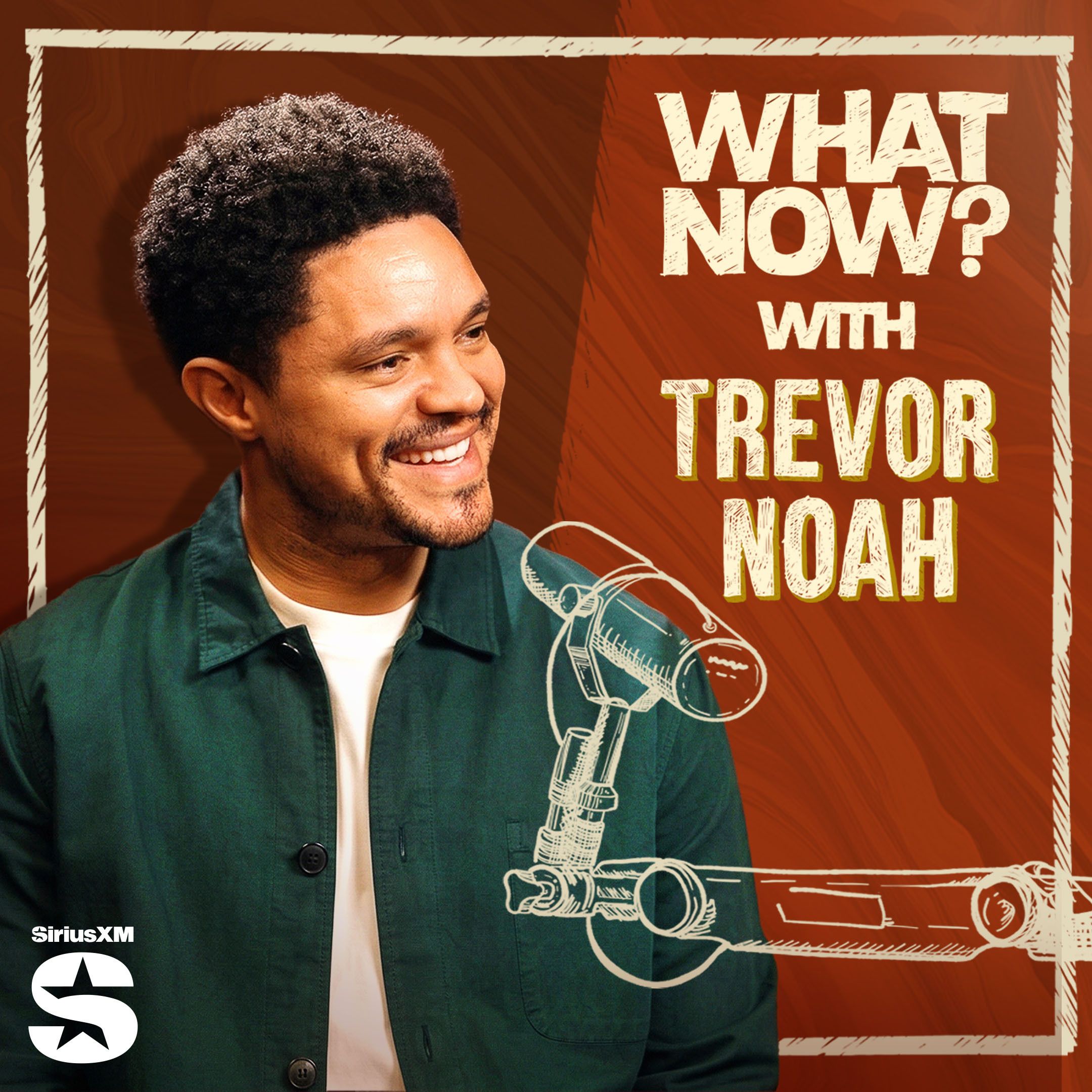
Overview of What Now? with Trevor Noah | Michael Che: The Unspoken Rules of Comedy
This excerpt from What Now? with Trevor Noah features Trevor Noah and co-host Eugene Khoza speaking with Saturday Night Live comedian Michael Che about fame, money, race, and what it means to occupy highly visible spaces as a Black performer in America. The conversation moves between personal reflection and broader cultural critique, focusing on how money and celebrity can affect safety, access, and freedom—and how Black public figures are often judged differently when stepping into traditionally white spaces.
Key Themes and Takeaways
Money vs. fame as freedom
- Michael Che argues that, for Black people in America, money can be tied to freedom in a very practical way: it can buy access, comfort, and protection from discrimination.
- Trevor Noah pushes back a bit, suggesting that fame itself can create many of those same effects by changing how strangers perceive you.
- They ultimately agree that both money and fame can function as forms of signaling—helping others see someone as an individual rather than as a stereotype.
The cost of being visibly Black in public spaces
- Che describes how money can help him move through the world without being questioned, denied entry, or treated suspiciously.
- Noah notes that he has often experienced situations where venues suddenly become welcoming once people realize who he is, but that this also reveals something troubling: if they didn’t know him, would they have treated him differently?
- The discussion highlights the discomfort of realizing that access often depends on recognition rather than basic fairness.
“If not me, then who?”
- Noah brings up a conversation he once had with Michael B. Jordan during the backlash over Jordan playing the Human Torch in Fantastic Four.
- Jordan’s response—“If not me, then who?”—becomes a central idea in the conversation.
- The phrase captures the burden and logic of representation: if Black performers don’t take these roles, who will normalize their presence in them?
Shared experience replacing white icons
- Trevor and Michael reflect on entering roles that had long been associated with white predecessors:
- Noah replacing Jon Stewart on The Daily Show
- Che taking on a prominent role at SNL
- Both describe how the criticism they faced often felt personal at first, but later seemed tied to discomfort with change, race, and perceived “fit.”
Criticism from “liberal” spaces too
- Noah recalls that some of the harshest reactions to Che were not from overt racists, but from liberal or “PC” audiences.
- The criticism focused on things like Che’s accent, background, clothing, and “swag,” suggesting that even progressive spaces can police how Black performers are supposed to present themselves.
- This part of the conversation underscores that racial gatekeeping is not limited to openly hostile people.
Community, validation, and not having to do everything
- The exchange ends on a hopeful note: both comedians acknowledge how much it helps to see another Black performer succeeding in the same arena.
- Noah says watching Che on SNL made him feel less alone and more confident in his own path.
- The bigger idea is that representation matters because it reduces the pressure on any one person to carry the whole burden of visibility.
Notable Insights
-
“It costs a lot of money to feel free.”
Che’s central point is that freedom for Black Americans often requires resources—money, status, or both. -
“Fame bridges the gap of ignorance.”
Noah’s counterpoint is that recognition can shift how people see you, even before money comes into play. -
“If not me, then who?”
A simple but powerful framing for representation and opportunity.
Why This Conversation Matters
This excerpt is more than a comedy industry discussion—it’s a sharp reflection on how race, visibility, and status shape everyday life. Che and Noah use humor and honesty to explore a serious question: what does it take for Black artists to be seen as normal, legitimate, and welcome in spaces that were not built for them?
Where It Leaves Off
- The conversation reinforces that representation is not just symbolic; it affects real access and confidence.
- Noah closes by encouraging listeners to seek out the full episode of What Now with Trevor Noah for the complete discussion.
- The clip is framed by Freakonomics Radio as a bonus excerpt, with the broader episode available through Trevor Noah’s podcast.