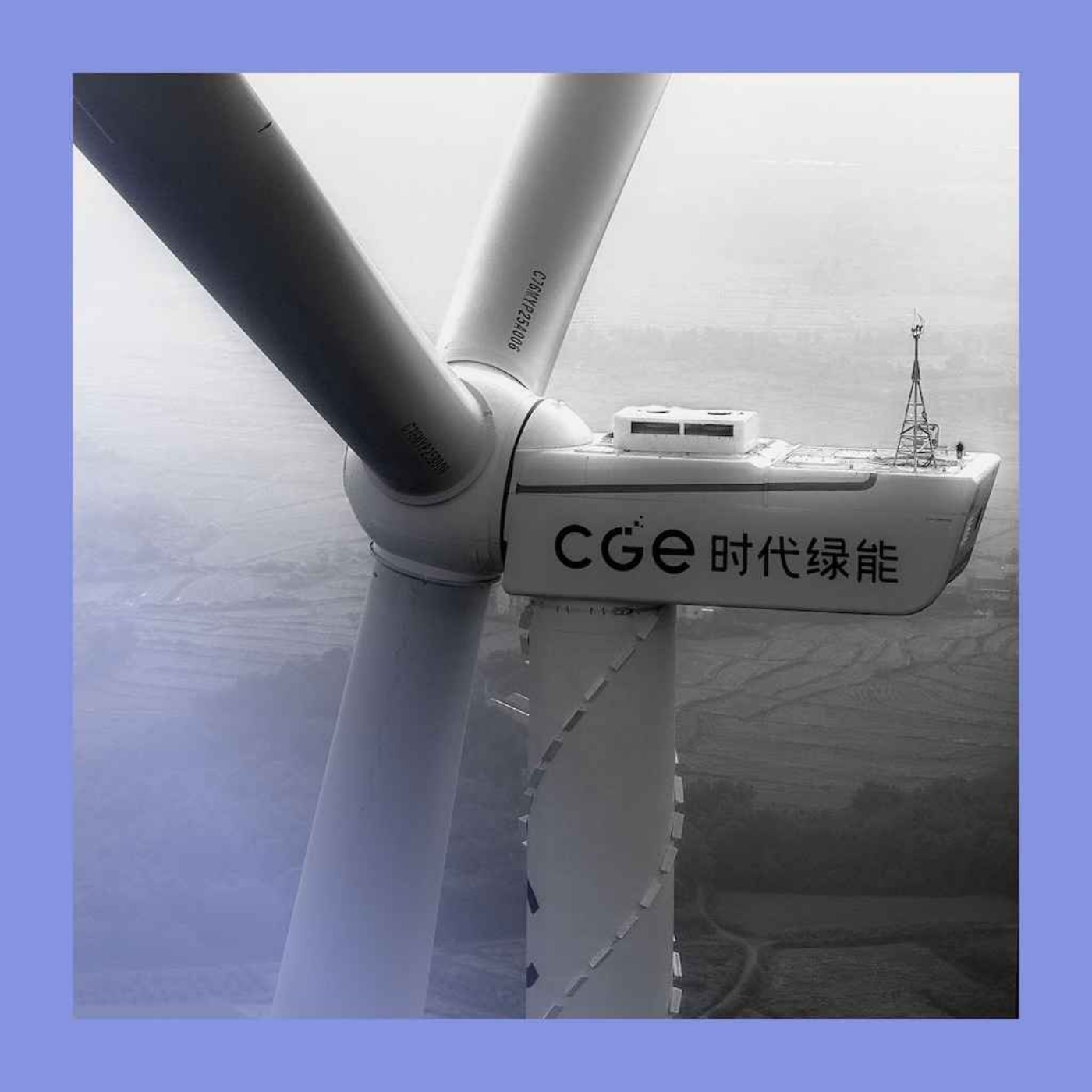
Overview of The Intelligence from The Economist — "The little green look: China’s energy revolution"
This episode of The Intelligence covers three main stories: China’s growing leadership in green technology and its geopolitical implications; the surprising use of the One Piece pirate flag as a transnational protest symbol; and how sports broadcasters and leagues are adapting to widespread piracy in the streaming era. Each segment combines reporting, data and interviews to explain causes, consequences and emerging strategies.
China’s green push: industrial strategy, emissions and geopolitics
-
Context and shift
- China remains the world’s largest CO2 emitter (about one-third of global emissions) but has shifted rhetoric and policy since the mid‑2010s toward an active role in cutting emissions.
- Past stance: argued developed countries should lead because of historical emissions; recent pledges signal a change (peak emissions by ~2030, 7–10% greenhouse‑gas cut between peak and 2035, carbon neutrality target by 2060).
- Gabriel Crossley (China correspondent): China is “one of the few countries capable of making a dent in global emissions all by itself.”
-
How China is pursuing the green transition
- Massive state support and private-sector competition have built large domestic demand and global supply chains for renewables.
- Examples: roughly half of cars sold in China are electric; China supplies an estimated 60–80% of the world’s solar panels, and is dominant in EVs and lithium batteries.
- In 1H 2025 global electricity from renewables exceeded coal for the first half of the year — China’s deployment was a main driver.
-
Geopolitical and economic motives
- Energy security: reducing dependence on imported oil (vulnerable in a conflict) explains part of the push for electrification and renewables.
- Export-led growth and soft power: selling green tech builds GDP and geopolitical influence.
- Strategic advantage vs. the U.S.: while U.S. policy flipped under recent administrations, China continued to scale green industries and capture market share.
-
Challenges and caveats
- Continued reliance on coal: China is still building coal plants in places; coal consumption management remains politically and economically fraught.
- Overcapacity and growing pains in some green sectors.
- International pushback and protectionism against Chinese exports of green tech.
- Reaching the 2060 net‑zero goal will require difficult domestic decisions and coordination.
-
Takeaway
- China’s combination of industrial policy, scale and market creation makes it a central actor in the global energy transition — able to both reduce its own emissions and shape the options available to other countries.
Anime and protest: the One Piece flag as a global symbol
-
Phenomenon
- A black pirate flag from the manga/anime One Piece (grinning skull with a straw hat) has been adopted by youth protesters in countries from Indonesia to Nepal, Madagascar, Peru, Morocco and parts of Europe.
- Origin traced to Indonesia, then rapidly spread through social media and cross-border inspiration.
-
Why it resonates
- The One Piece narrative: hero Monkey D. Luffy fights corrupt authorities and pursues freedom and friendship; its themes of rebellion, solidarity and hope resonate with youth-led movements.
- Practical advantage: waving an anime flag can be less directly confrontational than a national flag, making it a way to express dissent while complicating censorship and immediate repression—though authorities are catching on (e.g., Indonesian MPs called it a threat to national unity).
-
Cultural context
- Reflects shifting cultural sources of rebellion: East Asian pop culture (anime, K-pop) increasingly supplies symbols and tactics for protest worldwide.
- Social media (TikTok, Discord, etc.) accelerates the spread and cross-pollination of protest imagery.
-
Takeaway
- Pop-culture symbols can be powerful global signifiers of dissent; their use both shields and amplifies movements in a digitally connected era.
Sports broadcasting and piracy: from whack‑a‑mole to partnership
-
Scale and problem
- Sports rights are hugely valuable (NBA deal cited: $76bn over 11 years). Global piracy was estimated to cost broadcasters about $28bn a year (2021 estimate).
- Piracy ranges from full rebroadcasts (most harmful) to clips/commentary (which may grow interest).
-
Recent enforcement and notable cases
- Authorities have taken down major illegal platforms (e.g., StreamEast — ~1.6bn visits/year cited — and Italy’s Calcio feed).
- Celebrity use (e.g., LeBron James watching StreamEast) highlights how normalized piracy can be among fans.
-
Fan behavior and economics
- Studies suggest piracy is widespread across markets and incomes; roughly two‑thirds of fans in some surveys had accessed pirated content in the past month.
- Fragmentation of rights across streaming platforms drives piracy: following one team across services can cost consumers a large amount (example given: ~$650 to follow a single NBA team across platforms).
-
How leagues and broadcasters are adapting
- Recognize a “spectrum” of piracy — not all uses are equally harmful.
- Zero tolerance for live rebroadcasts without added value remains.
- Instead of only policing, leagues (notably the NBA) are recruiting and partnering with creators who clip and comment on content — providing official content to creators to grow audiences.
- Leagues invest in better analytics on who watches pirated streams to show advertisers the true reach and potentially reclaim lost revenue via sponsorships.
-
Takeaway
- The industry is shifting from purely punitive approaches to a mixed strategy: policing egregious piracy while harnessing content creators and audience data to monetize and grow fan engagement in a fragmented streaming landscape.
Notable quotes and figures
- “China accounts for about a third of the total [global emissions].” — Gabriel Crossley (stats context).
- “One of the few countries capable of making a dent in global emissions all by itself.” — on China’s agency.
- Donald Trump (quoted in transcript): “The carbon footprint is a hoax made up by people with evil intentions.”
- China supplies an estimated 60–80% of the world’s solar panels.
- Half of cars sold in China are electric.
- Estimated annual global revenue lost to pirated sports content: ~$28 billion (2021).
- StreamEast estimated to have ~1.6 billion visits per year.
- Survey-level claim: about two-thirds of fans in many markets had consumed pirated sports content within the past month.
- NBA rights example: $76 billion over 11 years; cost to follow one team across streaming platforms cited at about $650.
Practical implications and recommendations
-
For policymakers and climate stakeholders:
- Engage with China’s green-tech capacity as both a partner and competitor — leverage its manufacturing scale but mitigate dependence risks.
- Address coal phase-out and overcapacity issues through targeted policy and international cooperation.
-
For broadcasters and sports leagues:
- Invest in creator partnerships and data analytics to convert piracy and fragmented viewership into monetizable audience intelligence.
- Continue strict enforcement against live rebroadcasts while developing official content channels for fan creators.
-
For activists and cultural analysts:
- Monitor how pop-culture symbols spread via social media—they can both protect and endanger protesters as authorities respond.
Other episode notes
- Related content: The Economics’ Drum Tower podcast has a deeper episode on China’s role in the green transition (subscriber-only).
- Listener engagement: The Intelligence solicits book suggestions for an annual show on “books that change the world.”
- Several commercial sponsors and ads were embedded in the episode (Perk, AT&T, Quo, Xero, Schwab/Ameritrade).
End of summary.