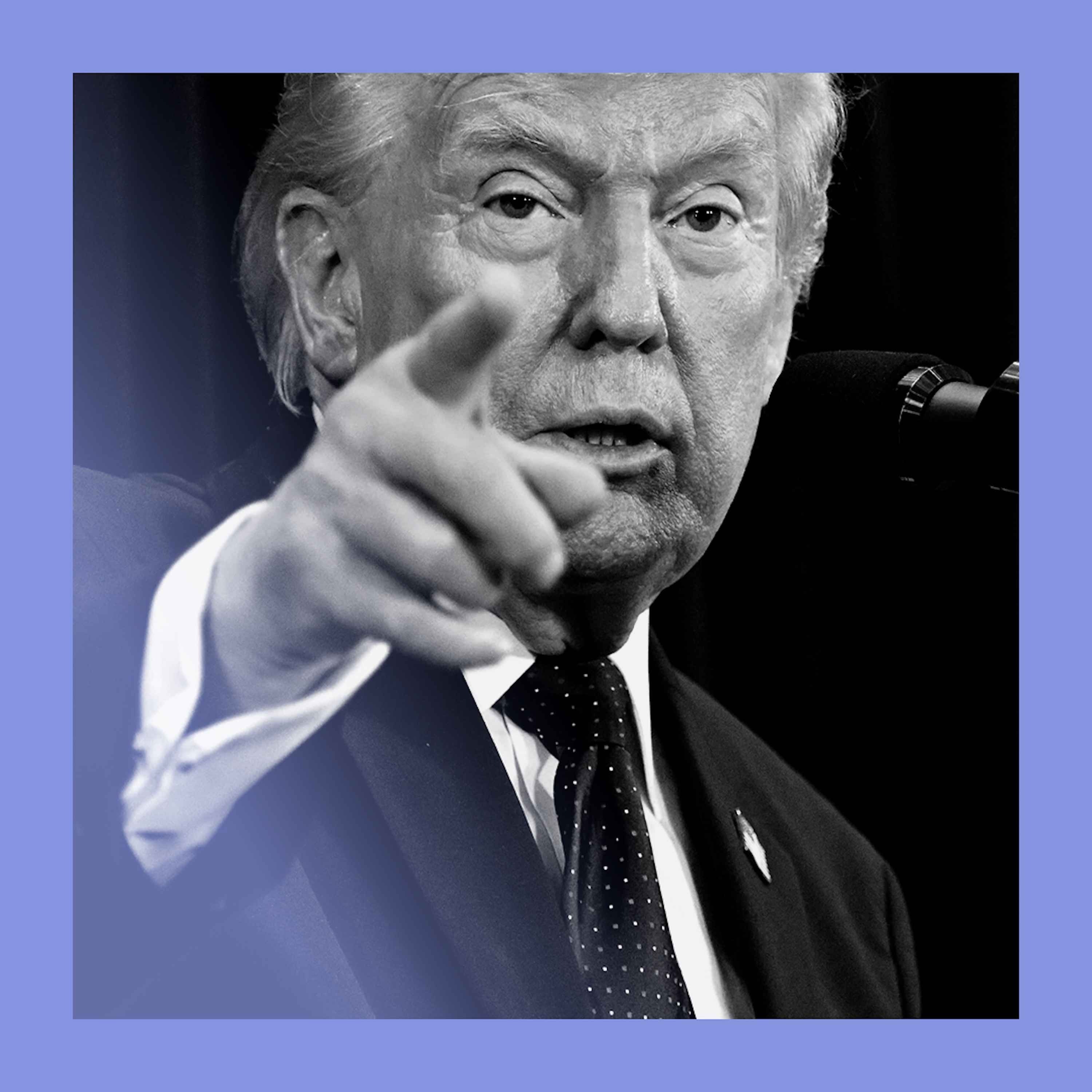
Overview of The Intelligence from The Economist — "Oil rise: Trump gets the jitters"
This episode covers three main items: (1) how the recent US–Israel operation against Iran has roiled global oil markets and forced Donald Trump to try to calm investors, (2) why China has been unusually muted about the Iran conflict and what Beijing’s priorities in the Middle East really are, and (3) a lighter business piece on Erewhon — the ultra‑premium Los Angeles grocery chain that has become a status symbol. The programme combines market analysis, foreign‑policy perspective and retail reporting to explain immediate effects and longer‑term implications.
Key takeaways
Oil, markets and Trump
- Oil volatility spiked after the joint US–Israeli operation against Iran: Brent crude briefly approached nearly $120 a barrel (about double pre‑war levels) before falling back to roughly $90 after Trump’s remarks.
- Trump publicly framed the conflict as nearing its objective, signaling reassurance to markets that he will not “wreck the economy” for the war — a move that calmed stock markets in Asia and the US.
- Edward Carr (The Economist deputy editor) says Trump’s comments were intended to talk prices down but they don’t remove ambiguity about how far the war will go; oil prices remain extremely sensitive to developments.
- Real supply‑side damage matters: Iran has shown willingness to target regional energy infrastructure; some facilities (including an LNG plant referenced in the discussion) have been shut, and restarting takes time.
- Goldman Sachs scenario estimates cited:
- If ~15 million barrels/day of Gulf oil remain off the market (≈ three‑quarters of Gulf exports): end‑of‑year Brent could be ~$76 if the disruption lasts 30 days, ~$93 if 60 days.
- If the war ends quickly, Brent could fall to the mid‑$60s.
- Strategic trade‑off: pursuing decisive military/wartime objectives (e.g., regime change or nuclear rollback) risks higher oil prices and broader economic pain. A quick US exit could leave a weakened but still hostile Iranian regime and unresolved nuclear‑material risks.
China and the Middle East
- China’s response has been rhetorically critical (Wang Yi: "the war in Iran should never have happened") but otherwise restrained — Beijing has stayed largely on the sidelines.
- Simon Rabinovich (Beijing bureau chief) argues this reflects China’s pragmatic and selective engagement: China is a major energy consumer in the Middle East but is not committed to American‑style alliances or interventionism.
- Key dynamics:
- Asymmetry: Iran relies heavily on China for exports, but Iran supplies only a relatively small share of China’s overall crude demand; China can shift suppliers (notably toward Russia) if Middle Eastern flows are disrupted.
- China prefers low‑cost, pragmatic engagement and tends to avoid being drawn into conflicts; it often focuses on post‑conflict reconstruction and commercial deals rather than mediation or confrontation.
- Beijing has historically invested selectively in regional partners (Saudi Arabia, UAE) and is wary of Iran’s unpredictability.
- Geostrategic implication: a prolonged US entanglement in the Middle East could indirectly relieve pressure on China by diverting US attention, a dynamic China would not welcome to continue but could opportunistically benefit from.
Retail: Erewhon — luxury grocery culture
- Erewhon is a small California microchain transformed from a 1960s macrobiotic co‑op into a luxury supermarket and cultural signifier in LA.
- The store is highly Instagrammable, frequented by celebrities, and designed more like a private members’ club than a conventional grocery.
- Business model and pricing:
- Membership perks (e.g., discounts, free smoothies) cost about $200/year.
- Premium pricing is the norm — examples include $12 juice shots, $21 jars of trail mix, $32 sea‑moss gel, $12.50 pizza slices, etc.
- The wellness aisle (supplements, gut‑health products, beauty items) is central to the store’s appeal.
- Positioning: Erewhon is framed as the world’s first “luxury grocer” — exclusive, limited in geographic rollout (≈10 stores), and oriented to status and wellness trends rather than mass grocery economics.
Notable data and quotes
- Market moves: Brent crude nearly hit $120 at peak, then dropped to around $90 after Trump’s calming remarks.
- Goldman Sachs sensitivity scenarios: 15 million b/d outage → end‑year Brent ~$76 (30 days) or ~$93 (60 days); quick end → mid‑$60s.
- Representative quotes:
- Trump (per transcript): “We achieving major strides toward completing our military objective…some people could say they pretty well complete.”
- China’s Wang Yi: “The war in Iran should never have happened.”
What to watch next
- Duration and intensity of the Iran conflict: continuing attacks on oil infrastructure or prolonged blackouts of Gulf exports will keep prices elevated.
- Market indicators: Brent price trajectory, shipping disruptions through the Strait of Hormuz, confirmed outages at key facilities (oil fields, LNG plants).
- Diplomatic signals: whether the US truly seeks a prolonged campaign or opts for a rapid exit (and how Israel reacts).
- China’s energy sourcing: increasing pivot from Middle Eastern barrels to Russian supplies if Gulf exports remain constrained.
- Erewhon and luxury retail: whether the chain expands beyond its niche LA footprint and how it weathers potential shifts in consumer spending.
Bottom line
The episode links geopolitics, markets and culture: recent military action in Iran created an acute oil‑price shock that forced political messaging from Washington to stabilize markets, exposing a classic trade‑off between military aims and economic fallout. China’s cautious, pragmatic posture underscores Beijing’s commercial priorities and limited appetite for entanglement, while the Erewhon piece illustrates how exclusivity and wellness trends drive new retail business models.