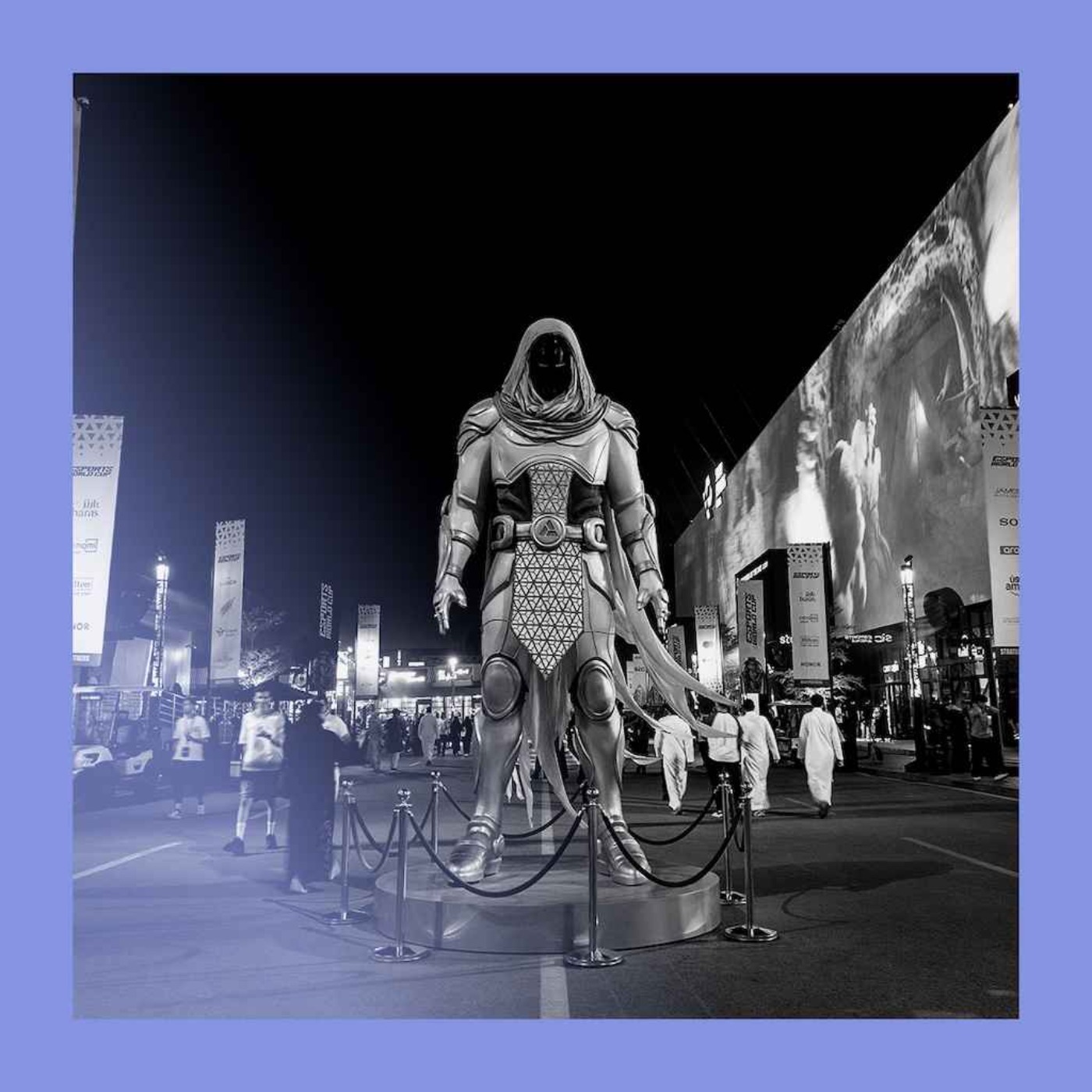
Summary — "Dune raider: Saudi is a video-game superpower"
Author/Host: The Economist (host Rosie Blore)
Format: The Intelligence podcast episode — main interview with Tom Wainwright (media editor), plus additional news segments (Finland icebreakers; NBA return to China).
Overview
The episode's lead story examines Saudi Arabia’s rapid push into the global video‑games industry, led by the Public Investment Fund (PIF) and the Savvy Games Group. The discussion covers acquisitions, strategic motives (economic diversification, soft power, cultural projection), and potential impacts on games and the industry. The episode also includes two other news features: Finland’s dominance in designing and building icebreakers and a thaw in NBA–China relations with preseason games returning to Macau.
Key points & main takeaways
Saudi Arabia’s gaming bid — what’s happening
- Saudi-backed entities (notably PIF and Savvy Games) have amassed major stakes and acquisitions across the industry:
- Savvy Games has a reported $38 billion war chest.
- Group leading a proposed buyout of Electronic Arts (EA) for ~$55 billion.
- Ownership or big stakes in Scopely (Monopoly Go), the gaming arm of Niantic (Pokémon), Embracer (Tomb Raider IP), and minority stakes in Nintendo, Take‑Two, Capcom, Nexon, NCSoft, etc.
- Bought big esports operators (ESL and FACEIT) and now control around 40% of the global esports industry.
- Crown Prince Mohammed bin Salman’s personal interest in gaming (reportedly a fan of FIFA) has helped drive the initiative.
Motives behind the push
- Economic diversification: a strategic move to build a non‑oil economy and create domestic jobs (goal cited: 39,000 gaming jobs by 2030).
- Soft power and cultural projection: owning leading studios and platforms gives influence over media and storytelling; there is interest in creating games that draw on Middle Eastern myths and appeal to 330 million Arabic‑speaking gamers.
- Tourism and experiential aims: envisaged live gaming/esports experiences similar to how Disney uses parks.
Risks, influences and potential industry effects
- “Game‑washing” parallels to sports‑washing — using gaming to improve international image.
- Possible content influence/censorship concerns analogous to how China’s market shaped film content; however, immediate wholesale changes to Western franchises are unlikely.
- Early signs of Saudi cultural/market influence: Ubisoft setting Assassin’s Creed levels in Saudi locations; corporate tie‑ins such as a Saudi‑linked owner influencing character choices (example: Cristiano Ronaldo in a fighting game linked to Saudi ownership patterns).
Finland & icebreakers
- Finland designs ~80% of the world’s icebreakers and builds over half of them; highly specialized, small industry with deep expertise.
- U.S.–Finland pact reportedly worth ~$6.1 billion: Finland to build four icebreakers for the U.S. and assist the U.S. in building seven more.
- U.S. icebreaker fleet is aging: last US-built icebreaker finished in 1997; Coast Guard says it needs 10 but only ~3 are operational. Arctic security and increased Chinese/Russian activity make modernization urgent.
NBA returning to China (Macau preseason)
- 2019 fallout after a GM’s pro‑Hong Kong tweet led to a de facto exile of the NBA from China; losses were hundreds of millions.
- Gradual thaw: broadcasts resumed in 2022 and now preseason games in Macau mark a more substantive return.
- China is the NBA’s biggest overseas market (~450 million fans); business motives and local consumer demand are primary drivers for reconciliation.
- Implication: American companies can regain Chinese access but must navigate political sensitivities and local rules.
Notable quotes & insights
- “Saudi Arabia wants to create a kind of Disney of video games.” — characterization of Saudi ambition to build an entertainment/experiential ecosystem.
- “If you control the video games business or large chunks of it, you are going to have some pretty serious soft power.” — on the geopolitical/cultural leverage of owning gaming assets.
- 330 million Arabic‑speaking gamers — a large underserved market that Saudi actors aim to tap.
- “Finland is an icebreaking juggernaut.” — on Finland’s unique industrial niche.
Topics discussed
- Sovereign‑wealth investment into media and entertainment
- Gaming industry economics and market power (mobile, esports, IP ownership)
- Cultural diplomacy and soft power via entertainment
- Economic diversification (Saudi Vision/2030 context)
- Industry consolidation and potential content influence/censorship
- Arctic security, naval capability, and industrial specialization (Finland & icebreakers)
- Sports diplomacy/business vs. geopolitics (NBA and China)
Action items & recommendations (for different stakeholders)
-
For policymakers and regulators:
- Monitor foreign sovereign investment in strategic cultural industries for national security and media‑plurality implications.
- In Arctic policy, prioritize investment in capabilities (icebreakers) and international technical partnerships.
-
For gaming industry executives and developers:
- Explore opportunities in the Arabic‑speaking market and consider culturally authentic content and talent development partnerships.
- Be proactive about governance and editorial independence safeguards when taking investment from state‑linked entities.
-
For investors:
- Track consolidation around PIF/Savvy Games and evaluate carry‑on effects across IP valuations, esports monetization, and regional market penetration.
- Consider geopolitical risk and reputational exposure associated with state‑linked investments.
-
For civil society and media watchdogs:
- Keep scrutiny on content influence, potential censorship pressures, and “image‑laundering” via major entertainment acquisitions.
If you want, I can produce a one‑page brief focused solely on the Saudi gaming story (timeline of major acquisitions, key companies, and likely short‑ and medium‑term outcomes).