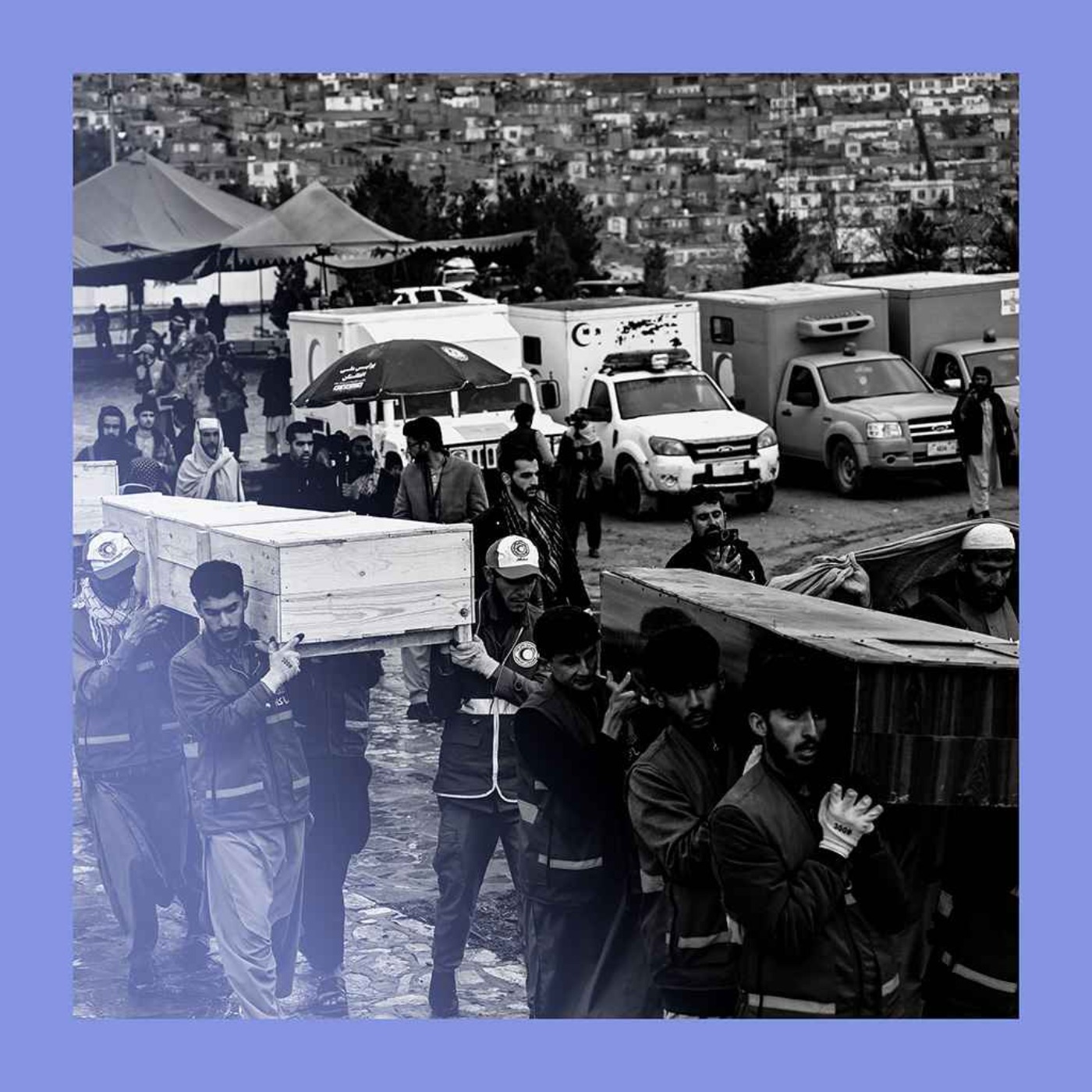
Overview of (Another) all-out war: Afghanistan and Pakistan
This episode of The Intelligence from The Economist (host Jason Palmer) covers three distinct stories: the spike in cross-border violence between Pakistan and Afghanistan centered on the Pakistani Taliban (TTP); how the war in Iran and the resulting oil shock could feed global inflation; and a culture piece on the rise of album listening parties as a marketing tool (Bruno Mars and others). The episode mixes on-the-ground reporting, expert analysis, and broader implications for politics, economics and consumers.
1) Afghanistan–Pakistan confrontation: what’s happening and why it matters
- Core issue: Pakistan accuses the Afghan Taliban government of sheltering and failing to rein in the Pakistani Taliban (TTP), which has carried out a surge of attacks in Pakistan. Islamabad has responded with cross-border air strikes and ground attacks into Afghanistan.
- Who’s who:
- TTP: Founded ~2007, allied historically with Taliban factions but operationally independent. Current strength cited in the episode is around 7,000–10,000 fighters mostly based in Pakistan’s northwest.
- Afghan Taliban: Now the de facto rulers of Afghanistan; they deny harboring the TTP but have limited ability (and political incentive) to crack down.
- Pakistan military: Conducting aerial strikes (including into Kabul and Kandahar) and ground operations to pressure Afghanistan to act against the TTP.
- Recent escalation:
- Pakistan claims it has killed 270+ Taliban fighters in its campaign.
- 16 March: A Pakistani airstrike hit Omid Addiction Treatment Hospital in Kabul, killing at least 143 people — the deadliest incident since the recent escalation.
- Afghanistan has responded with border raids and drone strikes; a temporary Eid truce expired and violence risk remains high.
- Humanitarian impact:
- Large-scale displacement and refugee flows: Pakistan has expelled/sent home more than 2 million Afghan refugees since 2023; in January alone ~80,000 crossed the border.
- What could happen next:
- Afghanistan has limited military options (no working air force), but the Taliban could retaliate indirectly (support attacks inside Pakistan) or via deniable means.
- Diplomatic pressure (notably from China and regional actors) is pushing for restraint, but public outrage after the hospital bombing makes an immediate political off-ramp difficult.
- Economic pressures (Afghanistan’s dependence on Iran; Pakistan’s exposure to energy shocks) may encourage de-escalation if both sides decide further conflict is too damaging.
2) Oil shock from the Iran war and inflation risks
- Basic mechanism: Oil and energy are inputs for almost all goods and services (production heat, transport, fertilizer manufacture). Rising energy costs raise producer costs → consumer prices → possible wage demands → wage-price spiral.
- Fertilizer link: Many fertilizer inputs (natural gas, urea, sulphates) transit the Strait of Hormuz; disruptions threaten food supply and push agricultural prices higher.
- Expectations matter: Central banks can "look through" temporary price shocks, but if consumers and workers expect sustained inflation they push for higher wages, turning a transitory shock into persistent inflation.
- IMF rule of thumb: A sustained 10% rise in oil prices historically adds ~0.4 percentage points to global inflation. With oil up roughly 50% since the Iran conflict began, that equates (all else equal) to about a 2 percentage-point boost to global inflation — a rough estimate, not a precise forecast.
- Policy dilemma for central banks:
- Raise rates aggressively to prevent a wage-price spiral (painful: higher unemployment, slower growth).
- Or tolerate some inflation to avoid tipping the economy into recession; complicated by recent history (pandemic bottlenecks, 2022 energy shock) and political pressures on central banks.
- Political risk: a potential new Fed chair (episode references Kevin Walsh; the likely correct name discussed in public debate is Kevin Warsh) and presidential pressure could influence U.S. rate policy, complicating decisions.
- Growth trade-off: Higher oil prices also depress growth — another factor that central banks must weigh when deciding on rate hikes.
3) Music marketing: the rise of listening parties
- Trend: Listening parties—once industry-only events—have become a mainstream promotional tool. Artists (Bruno Mars, Harry Styles, Billie Eilish, Taylor Swift, etc.) are using them to build buzz and reward superfans.
- Case example: Bruno Mars’ "The Romantic" listening party at Rough Trade East in London—fans (“hooligans”) experienced the album together, creating communal enjoyment and social media fodder.
- Why labels/artists do it:
- Buzz and community: Creates excitement and social proof before release.
- Sales impact: Listening events can boost first-week sales; the episode cites a contribution of 10–20% of first-week figures (valuable in streaming-era chart calculations where physical sales still matter).
- Fan engagement: Exclusive merch, giveaways and in-person experiences deepen fan loyalty—sometimes mimicking the concert atmosphere even when the artist is absent.
- Business implication: Listening parties are now part of the standard release playbook—especially effective for mobilizing superfans and driving early sales that influence chart position.
Key takeaways
- Afghanistan–Pakistan: The conflict has escalated into near-open warfare, with severe civilian casualties and refugee flows. A durable off-ramp is unclear; diplomatic pressure and shared economic vulnerabilities may help restrain further escalation, but the next moves could include asymmetric retaliation.
- Inflation risk: The Iran war’s oil shock poses a genuine risk to global inflation via direct cost channels (energy, fertilizer) and, more importantly, through expectations and wage demands. Central banks face a difficult trade-off between fighting inflation and avoiding a growth collapse.
- Music industry: Listening parties are an effective marketing tool in the streaming era—boosting early sales, creating fan engagement, and shaping release narratives.
Notable quotes / useful phrases from the episode
- “Wage-price spiral” — describes the feedback loop of rising wages feeding higher prices and vice versa.
- “Off-ramp” — used to describe potential diplomatic or political ways to de-escalate the Afghanistan–Pakistan conflict.
What to watch next (actionable items)
- For geopolitical watchers:
- Monitor further military strikes and retaliatory attacks across the Afghanistan–Pakistan border, and any public steps by China or regional powers to mediate.
- Track humanitarian indicators: refugee movement numbers and access to aid in border regions.
- For investors and policy-watchers:
- Oil price movements and shipping through the Strait of Hormuz; gauge persistence of price shifts rather than short-lived spikes.
- Central bank communications and any policy shifts from major central banks (Fed, ECB, BoE) that indicate willingness to tighten further.
- For music fans / industry observers:
- Upcoming album rollouts and how listening-party strategies affect first-week chart positions and merchandise sales.
Quick reference numbers mentioned
- TTP estimated strength: ~7,000–10,000 fighters (episode referenced “7 to 10” — contextually thousands).
- Pakistani claim of Taliban fighters killed: >270.
- Hospital strike casualties (Kabul rehab center, 16 March): at least 143 dead.
- Afghan refugee movements: >2 million returned/sent home by Pakistan since 2023; ~80,000 crossed in January alone.
- IMF rule of thumb: +10% sustained oil price → +0.4 percentage points global inflation; ~+50% oil → ~+2 percentage points (all else equal).
Sources: reporting and expert commentary from The Economist’s episode (The Intelligence), including South Asia bureau reporting and commentary from the outlet’s capital markets correspondent.