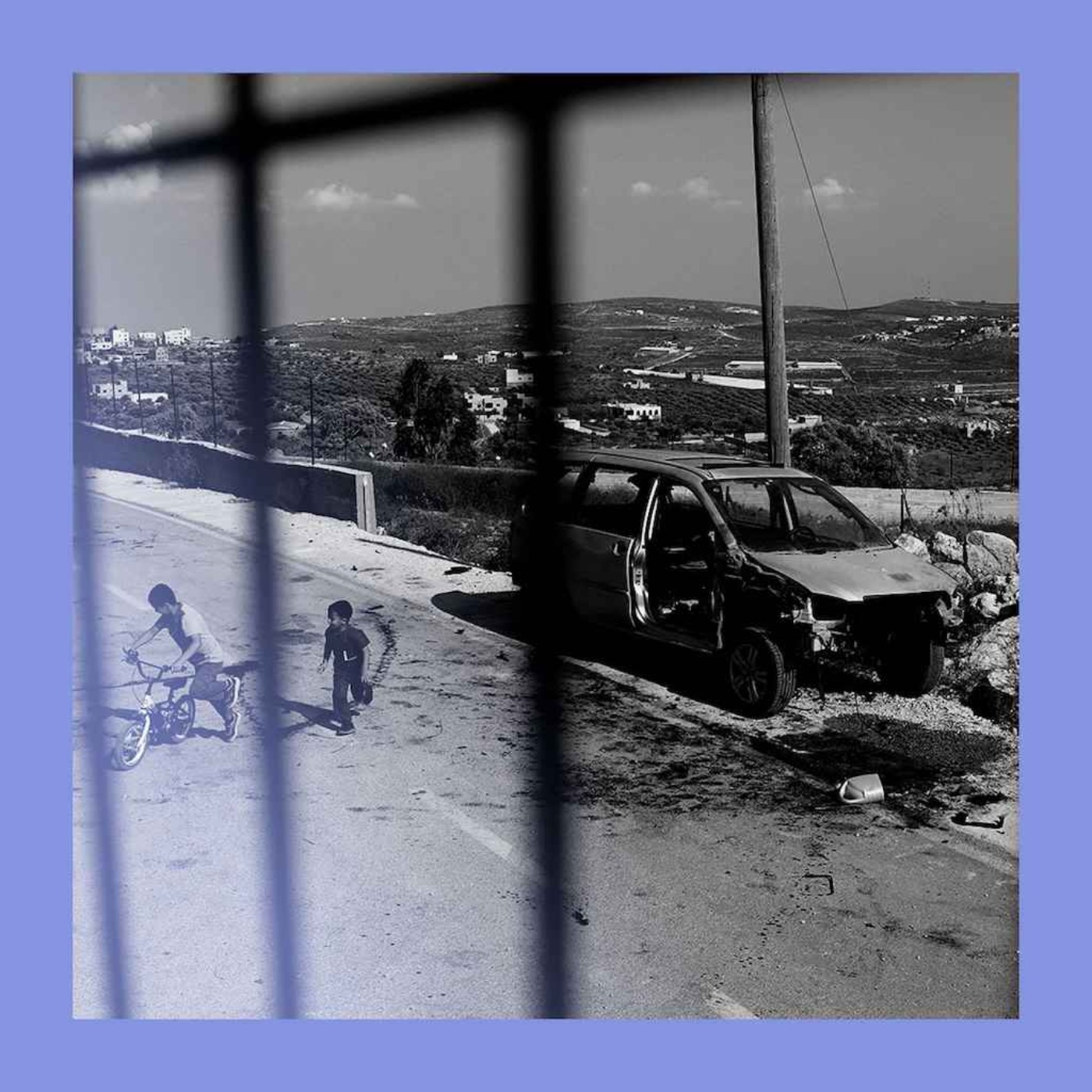
Overview of Settler bet: a West Bank flashpoint
This Economist Intelligence episode centers on two major political fault lines: escalating settler violence and land grabs in the West Bank, and India’s expanding use of “uniform civil codes” to reshape family law. It closes with a lighter Bartleby workplace advice segment that uses reader letters to discuss office politics, time management, and dealing with difficult bosses.
West Bank: settlers, state backing, and the risk of a new front
What’s happening
- The episode focuses on increasing settler activity in the West Bank, where Israeli settlers establish outposts near or on Palestinian land, often on hilltops or agricultural areas.
- These outposts can quickly become “no-go” zones for Palestinians, leading to clashes that often draw in the Israeli army.
- The specific flashpoint discussed is near the Palestinian village of Kusra, south of Nablus, and a new settler outpost called Tel Taliyot.
Key points
- Settlers often use caravans, tents, livestock, and even government-provided vehicles to occupy land and assert control.
- Palestinians sometimes film incidents and post them online, which has helped bring wider attention to abuses.
- In Kusra, footage showed Israeli soldiers appearing to side with settlers, including praying with them.
- A house owned by an American citizen brought in the U.S. embassy, and Ambassador Mike Huckabee publicly criticized the violence and urged intervention.
- The correspondent describes the Israeli state response as inconsistent:
- sometimes active support for settlers,
- sometimes passive tolerance,
- occasionally evictions.
- However, there is little sign of a clear political order from the Israeli government to stop the settler push.
Political context
- The government includes strong pro-settler figures such as:
- Itamar Ben-Gvir,
- Bezalel Smotrich.
- Prime Minister Benjamin Netanyahu is portrayed as silent, in part because he cannot afford to alienate far-right coalition partners ahead of elections.
- The broader concern is that some settlers may be trying to provoke a larger conflict or even a new Intifada, which could justify deeper Israeli military involvement and further land expansion.
- The episode links this tension to the wider regional picture, with Washington trying to preserve ceasefires elsewhere while the West Bank risks becoming another active front.
India: uniform civil codes and the politics of personal law
What the segment explains
- India’s state governments are increasingly introducing uniform civil codes, which replace religiously based personal laws with one set of civil rules.
- Uttarakhand is highlighted as the first Indian state to implement such a code in the modern era.
- Similar measures are being adopted or proposed in other BJP-run states, including:
- Assam
- Gujarat
- Madhya Pradesh
- and potentially West Bengal
Main argument
- The BJP presents the reforms as universal and pro-women, but the episode argues they are largely a vehicle for Hindu majoritarian politics.
- In practice, the new codes mainly force Muslims to adapt their marriage, divorce, inheritance, and family practices to rules modeled on reformed Hindu law.
- Tribes, who make up about 7% of the population, are exempt, showing that the law is not truly uniform.
What changes in practice
- Some changes may be welcomed by Muslim women, such as:
- more equal inheritance rights for daughters,
- criminalization of polygamy.
- But the code also introduces intrusive controls, including:
- mandatory registration of live-in relationships within 30 days,
- potential jail time for noncompliance.
- The correspondent argues this amounts to expanded state surveillance of private life.
Why it matters
- Implementation appears patchy and somewhat symbolic so far.
- Still, the long-term effect may be to push Muslims further out of the legal mainstream.
- The bigger political goal, the episode says, is to move India closer to the BJP’s vision of a Hindu nation.
- West Bengal is framed as the crucial next test: a larger Muslim population, more political volatility, and a real chance of unrest.
Bartleby: workplace advice, with a political edge
Themes in the Q&A
The final segment turns to the paper’s management advice column, answering reader letters about:
-
How to test a bad idea before announcing it
- Advice: do the “pre-meets” before a formal meeting.
-
Answering to multiple powerful bosses
- Advice: clarify priorities and objectives, even if the “bosses” are the markets and a president.
-
Adjusting after leaving a high-status role
- Advice: give yourself time, think through your next steps, and don’t rush the transition.
-
Dealing with incompetent superiors
- Advice: be patient, don’t break the law, and focus on getting work done.
-
Finding time as a leader
- Advice: protect your diary, make space for thinking, and avoid constant public exposure.
Overall takeaways
- The episode presents the West Bank as a volatile mix of settler activism, uneven state enforcement, and political opportunism.
- It portrays India’s uniform civil codes as legally framed reform that is, in practice, deeply tied to the BJP’s Hindu nationalist project.
- The ending provides a lighter but pointed reminder that organizational life—whether in government, business, or media—often comes down to politics, timing, and managing difficult relationships.