Overview of The Intelligence from The Economist
This episode opens with a sharp escalation in the Saudi Arabia–Houthi conflict: repeated drone and missile strikes on Riyadh’s airport, including a deadly attack that exposes both the Houthis’ growing capabilities and Saudi Arabia’s vulnerability. It then shifts to two lighter but still substantive topics: whether Europe’s industrial base is truly in decline amid high energy prices and Chinese competition, and why cursive handwriting is making a comeback in schools around the world.
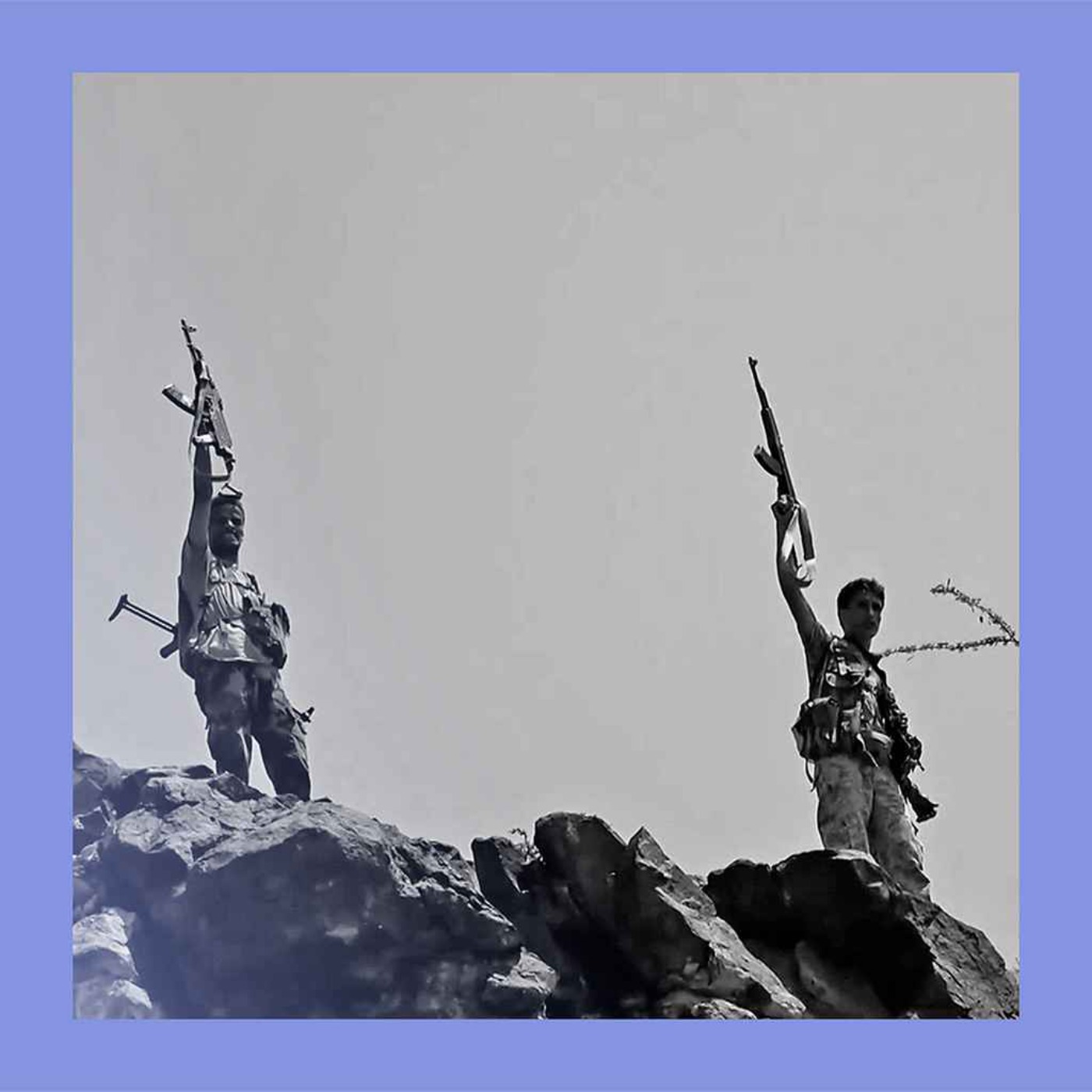
Saudi Arabia Under Siege: Houthi Attacks on Riyadh Airport
The main story examines how the Yemen war is spilling deeper into Saudi Arabia, with attacks on Riyadh’s airport becoming a major symbolic and strategic escalation.
Key context on the conflict
- The Houthis are an Iranian-backed militia that seized much of northern Yemen in 2014.
- Saudi Arabia led a coalition intervention in 2015 to push them back, but the war largely became a stalemate.
- A ceasefire in 2022 froze the front lines, but tensions rose again in 2024 as both sides prepared for renewed fighting.
Why the airport attacks matter
- The Houthis have improved their arsenal with Iranian support, including more capable drones and ballistic missiles.
- They have targeted Saudi energy infrastructure and, increasingly, airports.
- Riyadh’s airport has been hit repeatedly, disrupting flights and raising criticism that Saudi authorities kept it open too long.
Strategic timing
- The attacks came as Saudi Arabia was preparing to host major events:
- The World Petroleum Congress
- The Future Investment Initiative, often called “Davos in the Desert”
- The strikes risk embarrassing the kingdom and undermining its image as a stable destination for business and investment.
Humanitarian and political cost
- Yemen remains catastrophically affected:
- Massive poverty
- Heavy dependence on international aid
- A ruined economy and recurring health crises
- In Houthi-controlled areas, the group funds itself through taxes and extortion, with little interest in governing in a meaningful sense.
- Saudi Arabia, meanwhile, has much more to lose: attacks on airports and energy sites threaten Vision 2030 and its economic diversification strategy.
What happens next?
Saudi Arabia faces two bad options:
- Continue fighting, with limited and uncertain help from allies such as Pakistan, Britain, France, and potentially the U.S.
- Negotiate a deal with the Houthis, who may now feel strong enough to demand significant concessions.
The conclusion: there is no good outcome for Riyadh in the short term, and a prolonged war could seriously damage Saudi Arabia’s long-term ambitions.
Europe’s Industry: Decline, Pressure, and Adaptation
The second segment asks whether Europe’s industrial worries are exaggerated or justified. The answer: there is real strain, but it is uneven and concentrated in specific sectors.
Main pressures on European industry
- High energy costs
- Europe’s energy prices have long been above those in the U.S. and China.
- Wars in Ukraine and Iran have made the situation worse.
- Chinese competition
- Chinese industrial overcapacity is pushing more exports into Europe.
- U.S. tariffs on Chinese goods have made Europe an even more important market for Chinese producers.
Sectors feeling the most pressure
- The car industry is the clearest example:
- Chinese EV brands are gaining ground in Europe.
- European automakers are losing market share in China.
- EU car production is down sharply from pre-COVID levels.
- Chemicals are also under significant strain.
Why the outlook is not uniformly bleak
- Some sectors are doing well, including:
- Pharmaceuticals
- Electronics
- Aerospace
- Many Chinese imports are intermediate goods that help European firms lower costs.
- AI and data-center demand are creating new opportunities for some manufacturers.
How companies are adapting
European firms are responding by:
- Investing in energy efficiency
- Expanding renewable power use
- Hedging against energy-price spikes
- Shifting toward services and software to create higher-margin revenue streams
- Investing in lower-cost locations like Spain
Long-term outlook
The episode argues Europe is in the middle of two major transitions:
- A gradual shift toward a more service-based economy
- A move away from fossil fuels toward renewable energy
The takeaway is not collapse, but reinvention: European industry is under pressure, yet it is also adapting.
The Return of Cursive Handwriting
The final segment looks at why cursive handwriting is returning to classrooms and curricula.
Why cursive is coming back
- Several U.S. states and countries have reinstated or expanded handwriting instruction.
- Educators are reconsidering the value of handwriting in an age dominated by screens and typing.
Arguments in favor
- Research suggests handwriting and drawing activate brain regions linked to:
- Learning
- Memory
- Reading
- Spelling
- Handwriting may help children think more clearly and organize ideas.
Cultural and historical reasons
- Cursive helps people read historical documents and older family records.
- It connects students to the evolution of writing systems and literary tradition.
- Different scripts have reflected practical changes in writing tools and political history.
Modern concern: AI and thinking
A key contemporary argument is that handwriting resists overreliance on AI and screens. The segment closes with the idea that writing by hand is not just nostalgic—it remains an important cognitive tool.
Key Takeaways
- Saudi Arabia is facing a dangerous escalation as Houthi attacks reach Riyadh’s airport and threaten major economic events.
- The war in Yemen remains unresolved, and Saudi Arabia has no easy military or diplomatic path forward.
- European industry is under pressure but not in freefall; damage is concentrated, and many firms are adapting.
- Cursive handwriting is back because of both educational research and cultural concerns about preserving writing skills in a digital age.