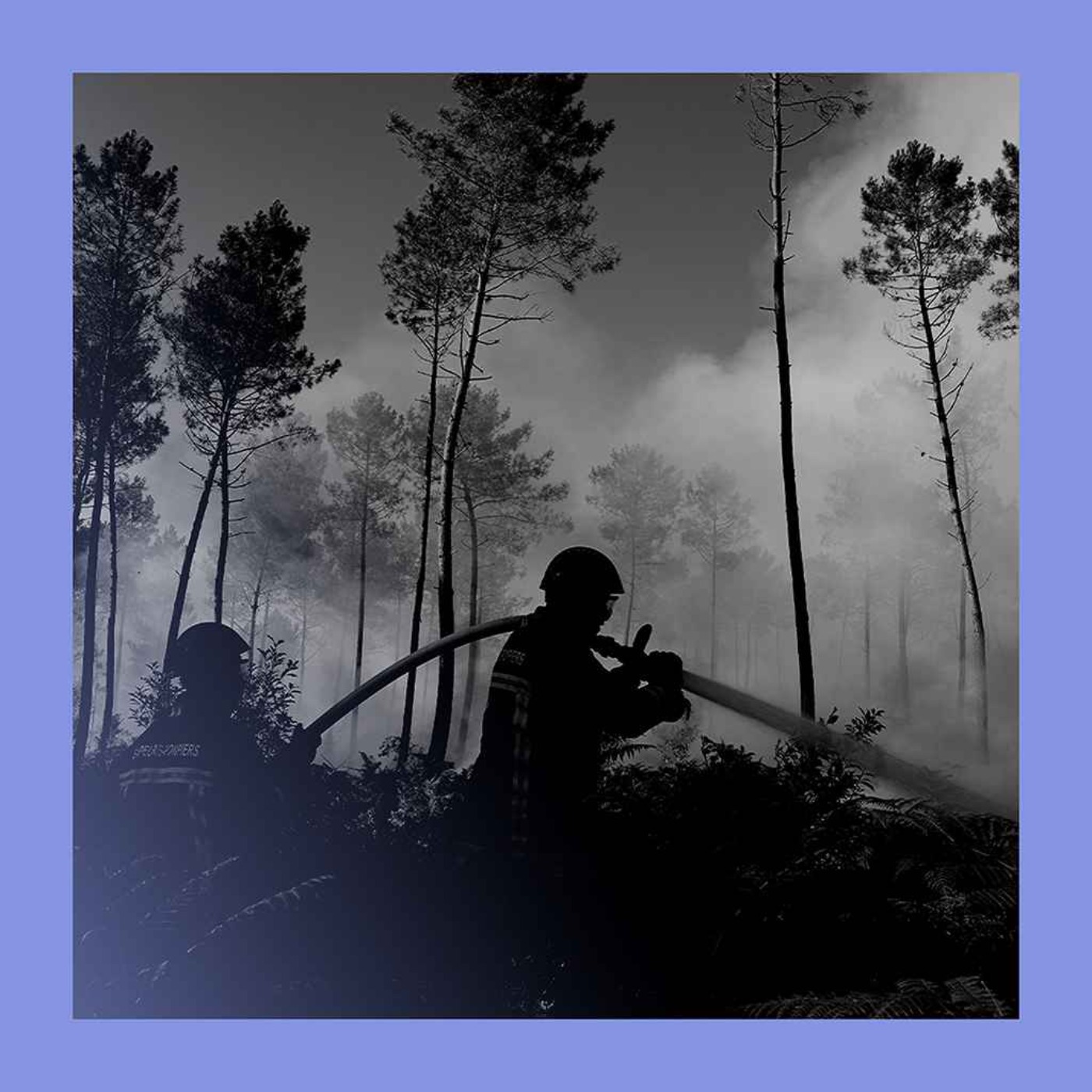
Overview of Burning questions: a more fire-prone world
This episode of The Intelligence from The Economist opens with a discussion of escalating wildfire risk around the world, then shifts to a troubling reversal in women’s workplace advancement, and finally looks at how U.S. cities are trying to revive nightlife and the “after-dark economy.” Across all three segments, the common theme is a search for adaptation in the face of changing social and environmental conditions.
Wildfires are becoming longer, hotter, and more dangerous
The episode’s main feature focuses on the growing scale and intensity of wildfires globally, with particular attention to Spain and the broader implications of climate change.
Key points
- Wildfires are increasingly being described as “unprecedented,” but that language is becoming more common every year.
- Fire seasons are getting longer, and the number of days with extreme fire weather is rising.
- The danger is not just larger fires, but “extraordinary fires” that spread faster, burn hotter, or cause outsized damage.
- Examples cited include:
- Australia’s Black Summer fires
- Canada’s 2023 wildfire season, which released massive amounts of CO2
- Los Angeles fires that caused record insurance losses
Why it matters
- Smoke may be the deadliest effect of wildfires, not just the flames.
- An estimated quarter-million people die each year from wildfire smoke exposure.
- Wildfire smoke also affects air quality for huge populations, including indoors.
- The fires contribute to a climate feedback loop by releasing carbon dioxide, though smoke can also have complex cooling and ecological effects.
Where to watch
- Indonesia: risk is rising due to slash-and-burn practices, increased biofuel demand, and El Niño-driven dryness.
- Australia: still vulnerable because of heat, El Niño, and the Indian Ocean Dipole.
- The takeaway is that even places not historically associated with severe fires may face worse fire seasons as the climate warms.
Prevention and response
- Prevention requires sustained landscape management, fire breaks, and behavior control, but these measures take time and commitment.
- Satellites now help detect fires quickly, which could enable earlier intervention.
- Better fire-spread modeling and new tools like drones could improve firefighting.
- A major challenge is the lack of international knowledge-sharing on best practices.
Women in the workforce appear to be “leaning out”
The second segment examines a reversal in progress for women in senior roles and workforce participation, especially in the U.S. and other wealthy economies.
Key points
- Progress for women in leadership is stalling:
- Fewer female executives are being promoted.
- Progress on corporate boards has flattened.
- Senior women are being retained at lower rates.
- The change is not just in representation, but also in ambition:
- Surveys from McKinsey, Lean In, and PwC suggest women are now less likely to want promotions than men.
- Men’s aspirations have continued rising, while women’s have plateaued.
Labor market trends
- Full-time female employment has dipped slightly across the OECD, marking the first decline in many years.
- In the U.S., hundreds of thousands of women left the workforce, including a sharp drop among mothers with young children.
Broader implications
- The gender pay gap is widening again in several countries, including the U.S., Canada, France, Switzerland, and the UK.
- Possible causes include:
- Pandemic-era disruptions
- Childcare shortages and access problems
- Corporate rollback of diversity, equity, and inclusion policies
Cultural signal: “trad wives”
- The viral appeal of “trad wife” aesthetics may reflect frustration with modern work rather than a true desire to return to traditional gender roles.
- The episode frames this trend as a warning sign about work-life balance and the strain on working mothers.
Cities are appointing “nightlife mayors” to revive after-dark life
The final segment looks at how cities are trying to support nightlife and social life after years of decline in going out.
What a nightlife mayor does
- These officials act as mediators between nightlife businesses and nearby residents.
- They handle issues such as noise, crowd control, licensing, and regulation.
- Their role combines policymaking, troubleshooting, and advocacy.
Examples
- Cities such as New York, Boston, Syracuse, and Iowa City have adopted some version of the role.
- In Boston, the director of the nighttime economy investigates real-world problems firsthand, such as measuring noise at bars or observing crowd flow at 2 a.m.
Why it matters
- In New York, nightlife is estimated to generate around $35 billion annually and support thousands of jobs.
- Cities want to balance economic activity with quality of life for residents.
- The role is also a response to overly punitive policing and regulatory systems that can stifle legitimate nightlife.
A bigger social problem
- The nightlife issue is tied to a broader decline in socializing:
- Young Americans spent over a third less time socializing in 2023 than in 2003.
- Policymakers are now trying to address loneliness and get people off their couches and back into public life.
Overall takeaway
This episode shows how several major systems are under pressure:
- Climate systems are making wildfires more dangerous and harder to control.
- Workplace systems are no longer steadily improving for women, and may be reversing.
- Urban social systems are struggling to keep people engaged in public life after dark.
The unifying message is one of adaptation: whether managing fire, gender inequality, or nightlife, institutions are being forced to rethink old assumptions in a changing world.