Overview of Tricks of the Trade
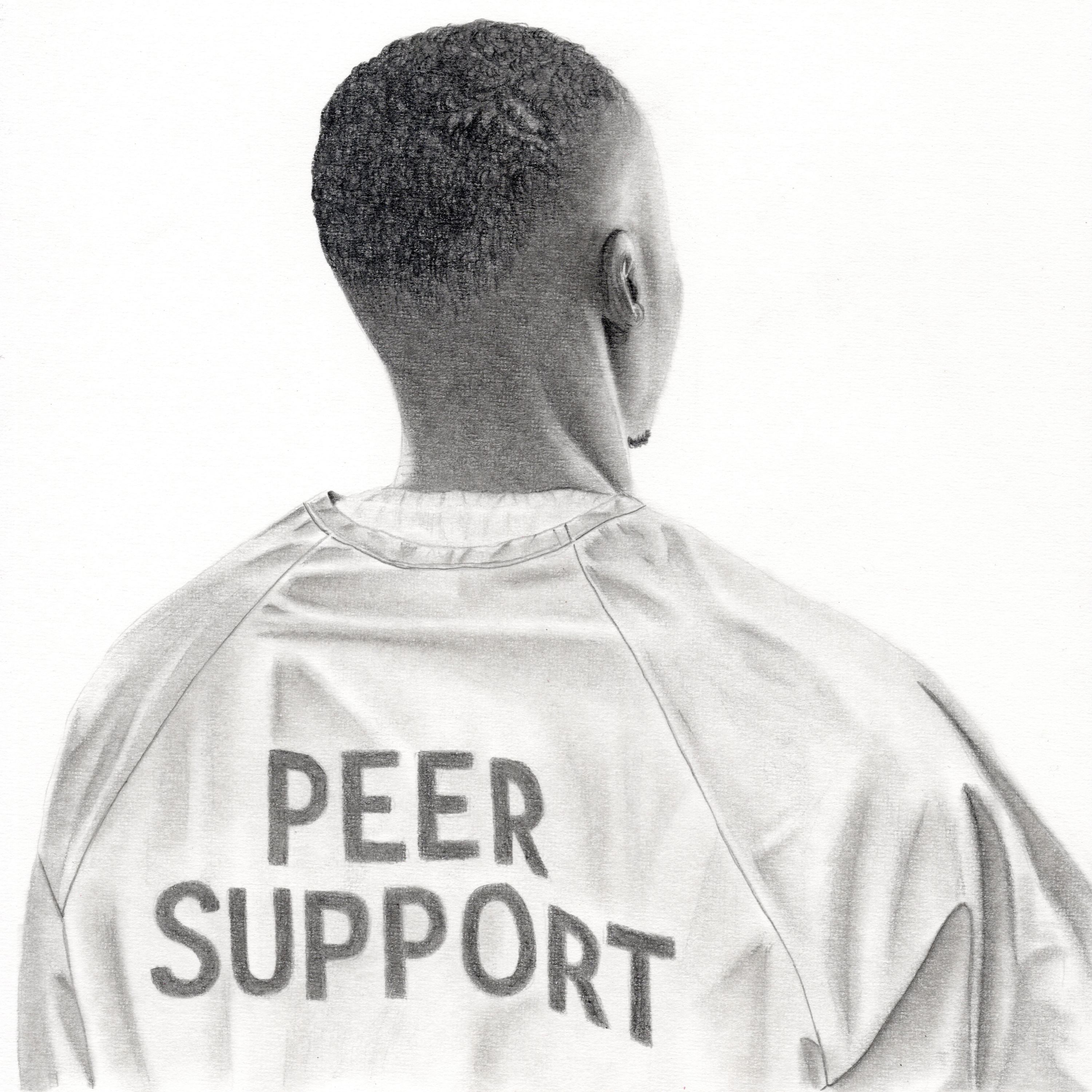
This Ear Hustle episode explores a peer support counseling program at North Kern State Prison, where incarcerated people are trained to help fellow prisoners deal with addiction, trauma, grief, mental health, and reentry planning. The hosts focus on how lived experience can make someone a more effective helper, and they follow one peer support trainee, Tyrone, as he works with three very different incarcerated men. The episode is part character study, part look at how prisons attempt to build support systems from within.
Main Storyline
The episode begins with a discussion of why people with hard life experiences may be able to reach others in ways outsiders cannot. That idea leads into a visit to North Kern State Prison, where a peer support class is taking place.
The hosts first meet Daniel, a warm, open trainee who speaks honestly about his addiction, his past robberies, and the shame he feels about it now. Daniel says the program gives him purpose and that helping others feels unexpectedly natural. He comes across as someone who has changed a lot and wants to use his past as a warning and guide for others.
When the hosts return months later hoping to see Daniel in action, they learn he has been transferred out. The story shifts to Tyrone, the last remaining peer support worker on the yard. Unlike Daniel, Tyrone is much more guarded and difficult to interview, but when he starts counseling others, the hosts see a different side of him.
The Peer Support Program
The program is an eight-week counseling course that teaches incarcerated people how to support others dealing with:
- addiction and substance use
- grief and trauma
- life skills and coping strategies
- prison navigation, including grievances and health care
- reentry and aftercare planning
The men who complete it can work in the prison as paid peer support counselors, identifiable by yellow jackets. The program is presented as a formal version of something already happening informally on the yard: people helping each other through conversation and shared experience.
The Three Men Tyrone Works With
Tyrone brings three incarcerated men to speak with the hosts, and each one reveals a different need and life situation:
Ricardo / TJ
- A barber who is about to be deported to Tijuana
- Feels shock and grief at first, but also growing peace
- Is trying to make practical plans for life after release/deportation
- Shows how peer support can sometimes be about helping someone organize the future, not just process emotions
Logan
- Only 20 years old and already deeply shaped by addiction and bad choices
- Misses his family, especially his brother
- Wants to avoid falling back into old friendships and habits
- Has future goals like firefighting, welding, contracting, and starting a detailing business
- Represents someone still early in life, trying to redirect before prison becomes permanent
Anthony
- 29 years old, homeless, and struggling with crystal meth addiction
- Talks openly about surviving on the streets, sleeping problems, and the pressure to use drugs
- Wants a CDL or forklift certification so he can work after release
- Seems to be the most fragile and in immediate need of support
Key Takeaways
- Shared experience matters. The episode argues that people often trust and open up to someone who has lived something similar.
- Peer support is both practical and emotional. It is not just listening; it also means helping with planning, coping, and navigating prison systems.
- Change is uneven and complicated. Daniel seems transformed, Tyrone seems more reserved, and the other men are each at very different stages of recovery and self-understanding.
- Prison support systems are fragile. People can be transferred at any time, which disrupts continuity and makes long-term work difficult.
- Helping others can be part of healing. Several men describe the role as giving them purpose, identity, and a sense of forward motion.
Notable Moments
- Daniel describing how addiction made him feel like a “creature” in San Quentin
- Tyrone quietly but effectively guiding conversations with short, open-ended questions
- Ricardo accepting the reality of deportation and focusing on future plans
- Logan admitting he wishes he had had a better father figure and wants to be a better older brother
- Anthony describing homelessness as a constant struggle to survive, sleep, and avoid relapse
- Tyrone’s reluctance to talk about himself, even while helping others do exactly that
Closing Thought
The episode ultimately shows that peer support in prison can be powerful, but it is also limited by the instability of prison life, personal trauma, and the uneven willingness of people to open up. Still, Ear Hustle presents it as a meaningful intervention—one rooted in empathy, credibility, and the belief that people who have been through darkness may still be able to guide others toward something better.