Overview of Revisiting “Last Memory: Linda”
This Ear Hustle revisiting episode looks back at the “Last Memory: Linda” installment from Season 14, a reflective, sensory-rich story about Linda, an incarcerated woman at the California Institution for Women, recalling the last place she was with her mother before her arrest: a chapel at Mission San Luis Rey near San Diego. The hosts discuss how the “Last Memory” format works, revisit the original scene by going back to the chapel themselves, and explore how memory, place, religion, regret, and tenderness intersect in the episode.
What the “Last Memory” Project Is
The format
- A person describes their last memory before prison in as much sensory detail as possible.
- The team then visits the location and experiences the place for themselves.
- They return to the incarcerated storyteller and share what they found.
Why it works
- It relies on chance, observation, and atmosphere rather than scripted storytelling.
- The format naturally creates:
- vivid sensory details
- emotional tension
- a strong sense of place
- surprising real-world moments
The hosts note that this approach has become a useful teaching tool inside prison-based workshops because it demonstrates how detailed observation can create a compelling story.
Linda’s Story
The memory itself
Linda remembers being in a rainy, candlelit Catholic chapel with her mother the night before her arrest. Her recollection is packed with physical detail:
- the smell of earth, straw, leather, old wood, wet pavement
- the sensation of wet jeans sticking to the pew
- the sound of singing bouncing off the chapel walls
- her mother repeatedly trying to hold her hand or press close
The emotional conflict
- Linda is spiritually and emotionally resistant in the moment.
- She recalls thinking there was “really not a God” and feeling blocked from the Mass.
- At the same time, she clearly feels her mother’s love and is aware of her own distance from it.
The candle
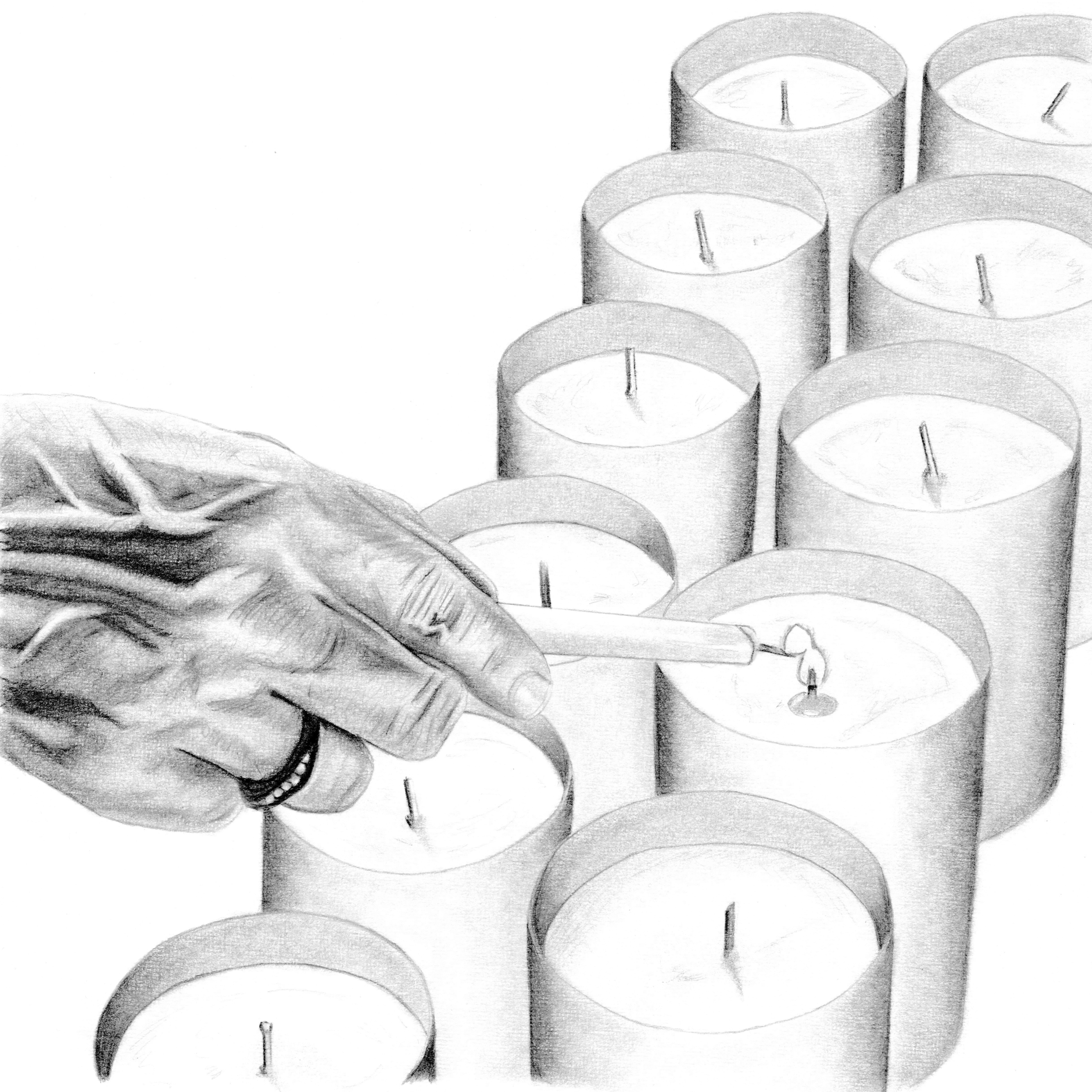
A key moment in the original episode is Linda asking the hosts to light a candle for someone important to her. The show keeps that person unnamed, preserving some mystery and letting the listener imagine the meaning of the gesture.
What the Hosts Found at the Chapel
The place felt preserved
When Nigel and Erlon visit the chapel, they find that many of Linda’s sensory memories were accurate:
- a damp, musty smell
- old wood and oil-like scents
- quiet, dim light
- a space that feels largely unchanged over time
Small changes, big meaning
- The pews now have cushions, which slightly altered one physical detail Linda remembered.
- Even so, the chapel still felt emotionally intact and recognizable.
- Linda is moved by hearing that the place has changed very little, because it gives her hope that there may still be familiar places to return to after prison.
The candle lighting
The hosts light a candle in her honor and reflect on what that gesture means:
- a prayer
- a symbolic act of compassion
- a small but meaningful response to suffering
Major Themes and Takeaways
Memory lives in the senses
The episode emphasizes how smell, texture, sound, and light can preserve a moment more powerfully than facts alone.
Place can hold emotional truth
The chapel is not just a setting; it becomes a container for guilt, love, spiritual doubt, and transformation.
Faith and doubt can coexist
The story does not simplify Linda’s relationship to Catholicism or God. Instead, it sits inside the tension between:
- rejection and longing
- belief and disbelief
- wrongdoing and the desire for grace
Compassion can be concrete
Lighting a candle becomes a small but serious act of care, and the priest’s response adds a theological perspective: God’s love persists even when people fail.
Time changes people, but not all places
A powerful emotional thread is Linda realizing that some places remain, even after decades, and that continuity matters deeply for people who have lost so much time to incarceration.
Production Notes and Notable Choices
Strong use of sound and pacing
The hosts discuss how the episode relies on:
- long stretches of description
- quiet, church-like pacing
- ambient sounds and subtle Foley
- recurring motifs, especially the candle
Editorial decisions that stood out
- Keeping the candle recipient anonymous adds mystery and emotional openness.
- Bringing back audio from earlier in the episode in the second half creates a satisfying structural echo.
- Leaving in some humorous behind-the-scenes moments—like the koi fish, slow walking, and church humor—adds texture and relief.
The priest’s contribution
The conversation with the Franciscan priest gives the episode a thoughtful theological dimension:
- Why doesn’t God intervene?
- How does free will fit into suffering?
- What does it mean to pray for someone in prison?
His answer is compassionate and central to the episode’s emotional close.
Bottom Line
“Last Memory: Linda” is a meditation on how place, memory, and faith can remain alive across decades. The revisiting episode not only explains how the story was made, but also deepens its meaning: a simple chapel, a remembered touch from a mother, and a candle lit for someone unseen become a powerful reflection on regret, love, and the possibility of return.