Overview of Revisiting “Chicken on the Bone”
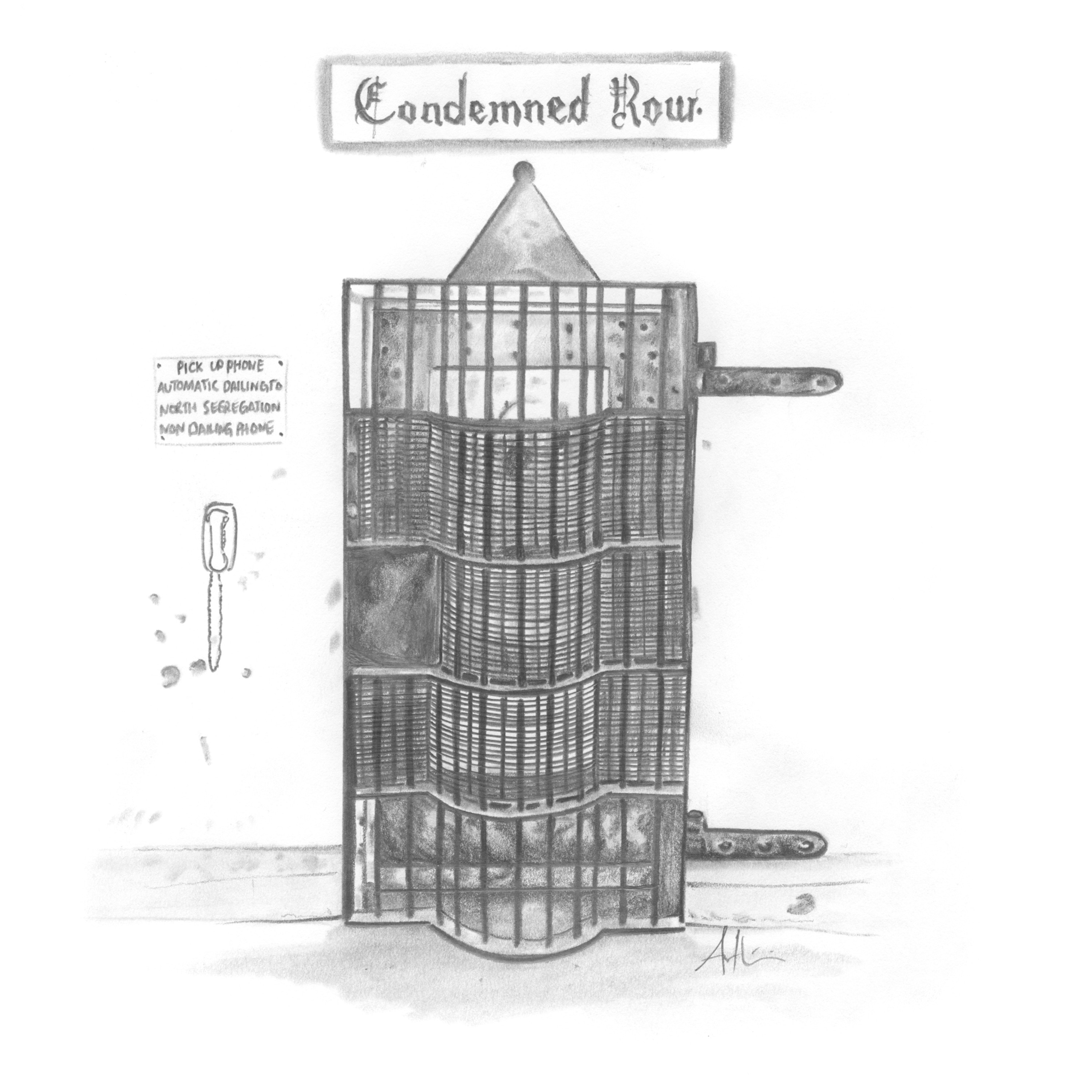
This episode is a curated re-listen of Ear Hustle’s Season 4 episode “Chicken on the Bone” (Episode 35, originally released October 2, 2019). Hosts Nigel Poor and Erlon Woods replay the episode from the archives and discuss it together. The story takes listeners inside San Quentin’s death row and follows men who have lived with death sentences — their daily realities, the psychological toll of waiting, shifts in California’s death-penalty landscape, and the difficult transition off death row. Content warning: the episode contains strong language and a graphic description of suicide.
Episode summary
- The episode mixes interviews, archival readings from Warden Clinton T. Duffy’s The San Quentin Story, and richly layered sound design to explore life “on the row” and life after.
- Primary narrative threads:
- Watson “Al” Allison: sentenced to death, decades on death row, multiple death warrants, eventual vacatur of death sentence (2010) and resentencing to 25-to-life; the emotional and social challenges of adjusting to the mainline.
- Abu Qadir Alameen: sentenced in 1970 to the gas chamber, later resentenced after the 1972 Supreme Court decision; released on parole in 1978 and became an imam and criminal-justice advocate.
- Lonnie Morris and Lieutenant Sam Robinson provide institutional memory: the culture of death row, the mechanics of executions, and how corrections staff perceived the row over decades.
- Historical/legal context included: California’s hiatus in executions (post-2006 federal ruling on lethal-injection drugs), voter actions and the 2019 gubernatorial moratorium by Gavin Newsom (pausing executions but not abolishing the death penalty).
- Interwoven excerpts describe the gas chamber’s construction, the instruments used, costs, and the bureaucratic procedures of execution — grounding the personal stories with institutional detail.
Key people featured
- Watson “Al” Allison — formerly on death row; central episode subject about life on/off the row.
- Abu Qadir Alameen — condemned in 1970, later resentenced and released; reflects on reforming and life after prison.
- Lonnie Morris — longtime San Quentin resident, remembers executions restarting in 1992.
- Lieutenant Sam Robinson — San Quentin public information officer; offers first-hand observations and a humane, nuanced view of incarcerated people.
- Hosts and producers: Nigel Poor, Erlon Woods, Rasaan New York-Thomas (tape), Bruce Wallace, Pat Messede Miller, Curtis Fox, Julie Shapiro, and music by Antoine Williams, David Jassy, Rashid Zinneman.
Main themes & insights
- The lived experience of being under a death sentence
- Constant uncertainty: dates set, stays granted, the emotional roller-coaster of expecting execution.
- Structural isolation: death row as a “prison within a prison” with different rules and routines.
- Humanizing details counter stereotypes
- Small sensory details (tuna and potato chips at the moment Al learns his sentence was vacated; gummy worms brought by his mother; “chicken on the bone” as a small holiday luxury) make the men vividly real.
- Transitioning back to general population is disorienting
- Al’s anxiety in crowds, trouble reattaching socially, ritualized isolation habits (eating slowly, preferring solitude).
- The institutional and historical context matters
- Legal shifts (Supreme Court decisions, state moratoriums) profoundly alter life trajectories.
- Descriptions from Duffy’s book emphasize the procedural and sometimes grotesque machinery behind executions.
- Family and dignity persist under constraint
- Visits through cages, the emotional labor of families who drive long distances and cope with restricted contact.
Notable moments and quotes
- “End of the road.” — The phrase guards said when escorting someone to San Quentin’s death row; symbolic of the finality associated with the row.
- The Duffy excerpts detailing execution apparatus and procedures — used to add historical and procedural texture; notably chilling in contrast with personal testimonies.
- Al’s spontaneous question to Nigel months after interviews: “When you said it was nice to see me smile, was that a good thing?” — A tender, human moment signaling slow change and vulnerability.
- Mundane detail: Al was eating “a tuna sandwich and potato chips” when told his sentence was overturned — a potent contrast between ordinary life and monumental news.
Production, style, and critique (hosts’ reflection)
- Sound design: dense, textured, and cinematic — a hallmark of earlier Ear Hustle episodes. The hosts enjoyed the richness but note the style differs from later, often sparer episodes.
- Use of historical excerpts: excerpts from The San Quentin Story add authority and atmosphere but sometimes interrupt the immediacy of the interview tape; hosts debated placement and balance.
- Narration and pacing: hosts noted pacing issues in places (pauses, transitions between tape and narration), and a “reedy” quality in some narration moments, but praised growth in narration skills across seasons.
- Editorial approach: a more meandering, layered structure (less direct signposting) compared with later, more linear episodes — a stylistic choice that many found effective.
Memorable human details (what makes this episode resonate)
- “Chicken on the bone” — prison shorthand for a rare, coveted hot-meal treat; becomes a symbol of small comforts and social connection.
- The visiting “cage” for death-row visits — a concrete reminder of separation and the strain on family contact.
- Starlit moments: Al noticing the stars and moon again after decades — a small but powerful symbol of re-acclimation to everyday freedoms.
Takeaways for listeners
- The death penalty’s impact is not just legal or abstract — it is procedural, psychological, and intensely personal.
- Longevity on death row shapes identity, social skills, and emotional responses; reentry into general population can be as traumatic as incarceration.
- Small, concrete details (food, visits, gestures) are often the most revealing windows into incarcerated lives.
- Narrative choices (sound design, archival excerpts) significantly shape listener empathy and framing.
Episode details & credits
- Original episode: Ear Hustle, Season 4 — Episode 35, aired October 2, 2019.
- Produced by inside team (Nigel Poor, Rasaan New York-Thomas, John Yahya Johnson, Pat Messede Miller) and outside team (Erlon Woods, Bruce Wallace), executive producer Julie Shapiro (Radiotopia).
- Music by Antoine Williams, David Jassy, Rashid Zinneman; archival readings from Clinton T. Duffy’s The San Quentin Story; special thanks to Lieutenant Sam Robinson and Warden Ron Davis.
Recommended if you want a humane, historically grounded exploration of death row that balances archival detail with intimate portraits — and if you appreciate rich sound design and narrative texture.