Overview of On the Margins
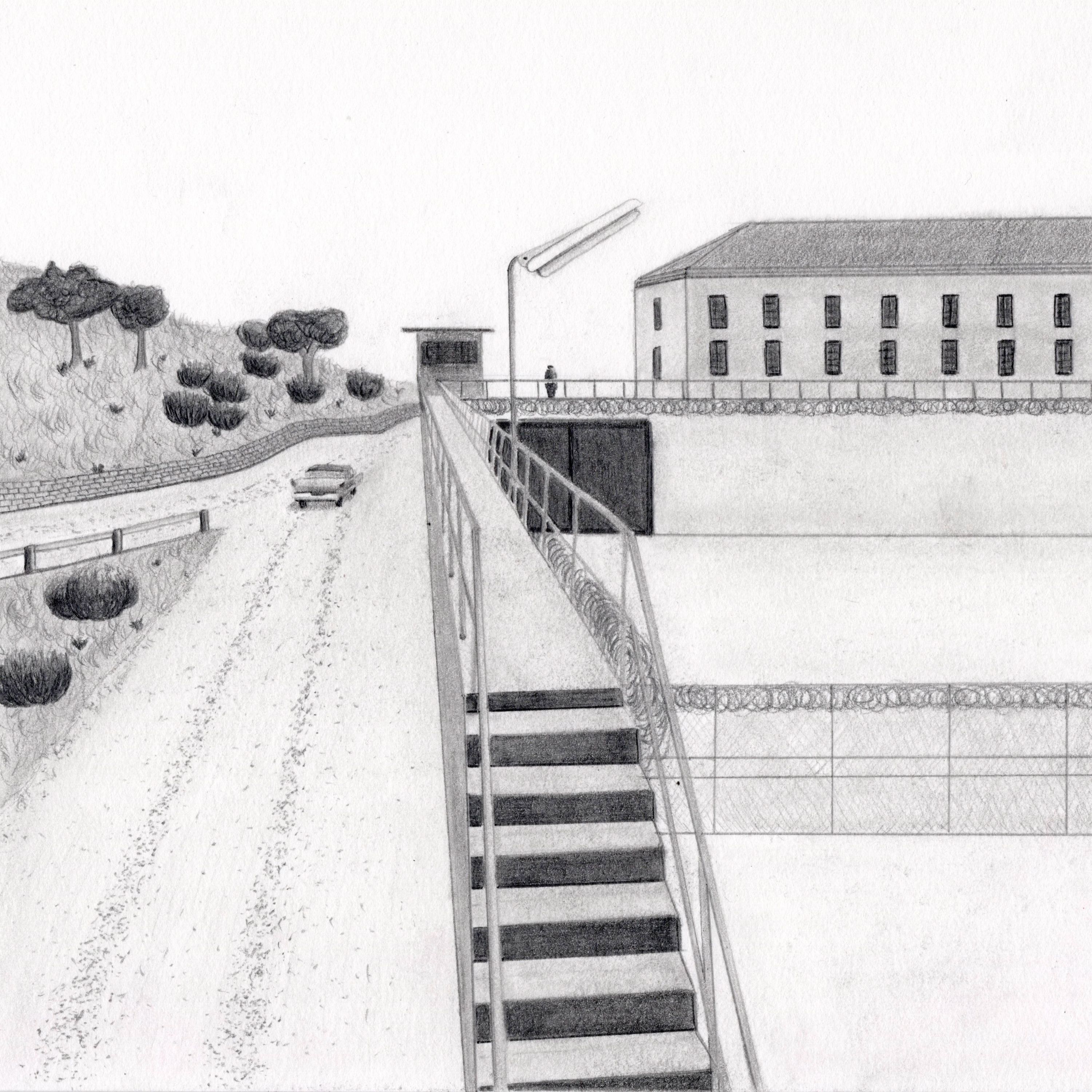
This Ear Hustle episode explores life around San Quentin rather than only inside it. Using the new studio’s large windows, a shuttle driver’s route along the prison perimeter, visits with prison staff who live on the grounds, and a final ferry ride across the bay, the hosts reflect on how the prison shapes the landscape, the people who work there, and the neighborhood that exists in its shadow. The central theme is perspective: what it means to look out toward freedom, and how easy it is to overlook the human lives and routines at the margins of a prison.
Main Themes
Seeing San Quentin from the outside
The episode starts with the new Learning Center and its huge windows, which let incarcerated team members and hosts look beyond the prison walls for the first time in a meaningful way. That view becomes symbolic:
- People inside can now see deer, children, homes, and the bay.
- The outside world feels both beautiful and distant.
- Looking out creates longing, curiosity, and sometimes sadness.
The prison’s “perimeter” is its own world
The hosts ride with Haben, a shuttle driver who loops around the outer edges of San Quentin. His route passes:
- watchtowers
- warehouses
- parking lots
- the fire station
- the prison’s boundary along the water
Even though he’s technically outside the main prison walls, he’s still within the prison ecosystem. His job reveals a whole layer of San Quentin that many people never see.
Humanizing the people who work there
Several staff members share what it’s like to live and work on prison grounds:
- Officer Richard Cruz grew up on San Quentin property and has spent nearly his whole life there.
- A neighbor named Mary describes her home, her collections, and the odd normalcy of living beside a prison.
- Lisa, who lives in the village, talks about the neighborhood as a hidden, peaceful Marin community.
- The hosts also keep trying to catch the elusive postmaster outside the gate, turning a simple errand into a small comic mystery.
These conversations show that the prison affects not just incarcerated people, but also workers, families, and residents nearby.
Notable Moments and Stories
Haben’s shuttle loop
Haben’s job is one of the most revealing parts of the episode. He drives a two-mile route repeatedly, sometimes 45–50 loops a day, and says he doesn’t get bored. His story shows:
- how rare it is for incarcerated people to move through these outer areas
- how the prison’s staff normalize each other through small interactions
- how seeing the outside world every day changes your sense of confinement
Officer Cruz’s childhood on prison grounds
Cruz describes a childhood that was unusual and isolating:
- he couldn’t easily invite friends over
- the school bus route made him one of the last kids dropped off
- family nights inside the prison were memorable and strange
- now, as an adult, the prison is so tied to his identity that retiring from it would feel like leaving home
Mary’s “gated community”
Mary, another resident on prison grounds, jokes that she lives in a gated community, but she’s really talking about the fear and misunderstanding people have about life near a prison. Her home is filled with collections and personal artifacts, including a controversial old doll she keeps as a kind of reclamation.
The village around the prison
The hosts also visit people living in the small neighborhood outside San Quentin, including:
- Matt Wexler, who calls it a peaceful, secret enclave
- residents who talk about the beauty of the bay views
- the idea that real estate marketing often hides the prison and sells the area as scenic Marin
The ferry ride
The episode’s emotional payoff comes on the ferry from San Francisco to Larkspur. From the water, the hosts can finally see San Quentin as a whole:
- the towers
- the old condemned hospital area
- the Learning Center
- the parking lot and perimeter buildings
- the prison shrinking into the landscape as the ferry moves away
The view is beautiful, but also melancholic. It makes the prison feel both massive and strangely small, and it sparks reflection on memory, forgetting, and the people who remain inside.
Key Takeaways
- San Quentin is not just a prison; it’s a community and a landscape.
- The new windows in the Learning Center change how people inside experience confinement.
- Staff, residents, and families live layered lives shaped by the prison’s presence.
- Seeing the prison from the ferry reframes it from an institution into a place within a larger world.
- The episode’s title, On the Margins, reflects both geography and social reality.
Closing Thought
The episode suggests that prisons are often understood only from the inside, but the spaces around them matter too. By looking at San Quentin’s edges—its roads, homes, staff housing, post office, and waterfront view—Ear Hustle reveals a fuller picture of how incarceration reaches far beyond the cellblock.