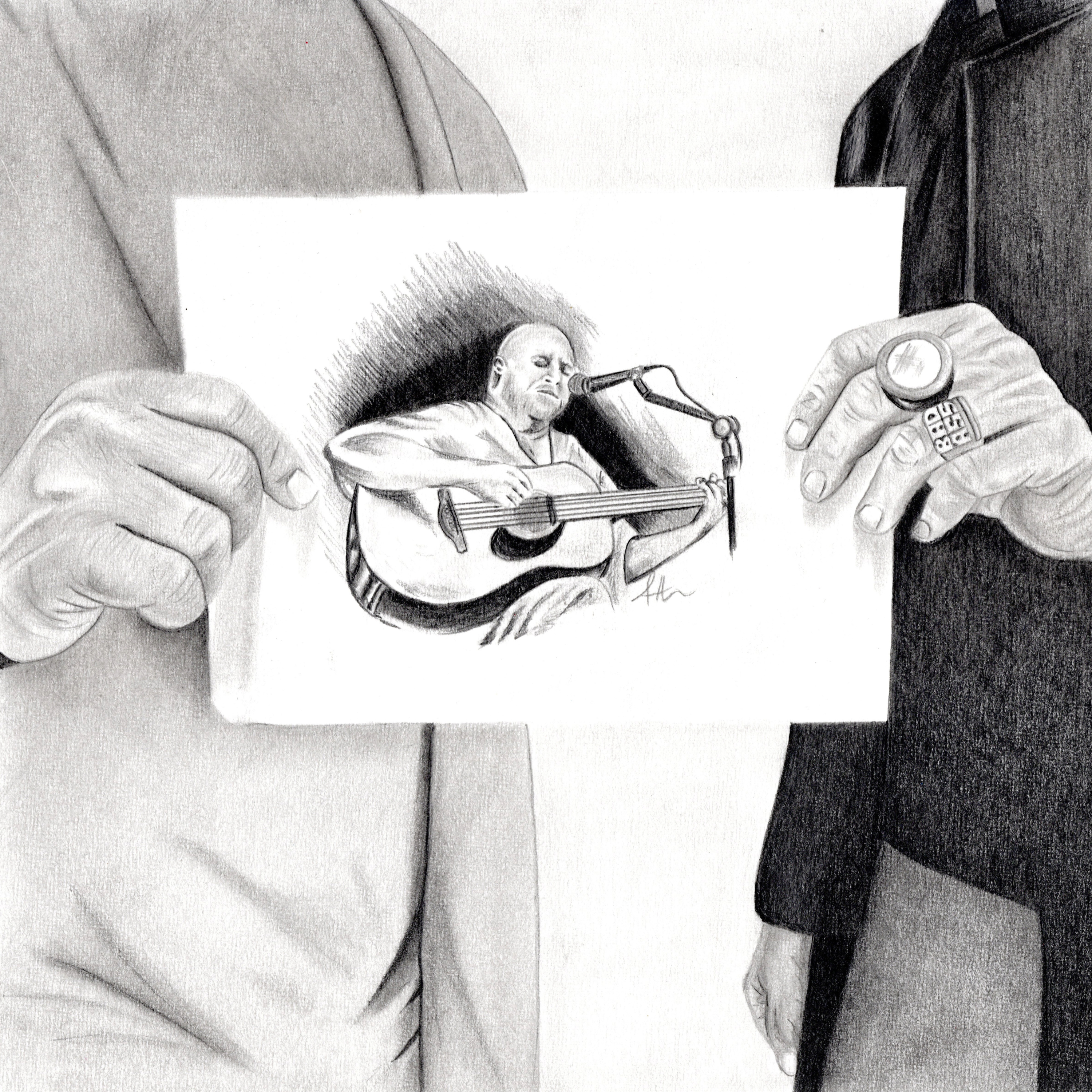
Overview of Songs of San Quentin
This Ear Hustle episode is a musical deep dive into the archive: a curated collection of songs and music-centered stories recorded at San Quentin over the past decade. Hosts Nigel Poor and Erlon Woods revisit performances, personal anecdotes about musicians inside and recently released, and a few projects that lifted San Quentin music into public spaces (notably a collaboration featured at the Metropolitan Museum of Art).
What the episode covers
- A montage of music recorded at San Quentin across genres: funk/Motown, gospel, Spanish-language spirituals, blues, and original prison‑born songs.
- Personal stories connected to the music, including:
- Jukebox (a singer who performs Al Green and appears throughout the episode).
- Jason’s origin of his prison moniker (the “handle” system and paperwork culture inside).
- Tom Nguyen’s love song and a discussion about how prison influences love songs.
- The Mexican Nationals Band and how music bridges language and cultural differences on the yard.
- Maverick and David Jossie’s gospel song “Thank You, Jesus,” used by choreographer Silas Farley at the Met.
- Charlie Spencer’s “Stormy Monday,” his later illness, last visits, and eventual death.
- Richie Morris’s prison‑blues song about looking through prison bars and regret.
- Context on the Met project: Silas Farley choreographed a museum‑wide piece using music recorded at San Quentin; some musicians were out and attended the New York performance.
- Production credits, sponsor messages, and calls-to-action (tickets, merch, newsletter, and show notes).
Notable moments & quotes
- On identity in prison: “You got to create an image, you got to be bigger and tougher than you really are.” — explanation of why cellmates give “handles.”
- On music as language: “Music is really how we communicate.” — reflects cross-cultural communication with Mexican nationals at San Quentin.
- On music’s emotional power: Nigel — “Most great love songs come from people in prison.” Erlon (wryly): “Love is a prison. I tell you, I think Adele had to be in prison.”
- Charlie Spencer: “I’m not scared to die.” — a sober moment that underscores the human stakes behind the songs.
- On the Met performance: Silas Farley “danced through the museum” (different galleries, culminating in a dramatic finale) to pieces selected from San Quentin recordings.
Key takeaways
- The San Quentin music archive is wide-ranging: spirituals, gospel, blues, funk/Motown influences, Spanish‑language religious music, original prison compositions and covers.
- Music serves multiple functions inside prison: emotional outlet, identity formation, cultural bridge, community glue, and creative expression that can travel beyond the prison walls.
- Collaborative projects (e.g., the Met performance) demonstrate how incarcerated musicians’ work can be curated into mainstream art settings and reconnect artists with the public.
- Personal stories behind songs (health struggles, release, death, relationships) add layers of meaning and remind listeners that these recordings come from lived experience.
Recommended follow-ups (from the episode)
- Watch the video of Silas Farley’s Met performance (EarHustleSQ.com link referenced in show notes).
- Listen to the full episodes mentioned in this episode’s excerpts: “Myths and Monikers” (Jason/Jukebox) and “Stormy Monday” (Charlie Spencer).
- Check Ear Hustle show notes at EarHustleSQ.com for full credits, links to recordings, and the Met video.
- If you want to support the show or get merch: visit EarHustleSQ.com/shop (episode mentions current sale items).
Production & credits (high‑level)
- Hosts: Nigel Poor and Erlon Woods.
- Inside producers and contributors: Darrell Sadiq Davis, Tom Nguyen, Tony Tafoya, and others from the San Quentin team.
- Ear Hustle is part of Radiotopia from PRX; episode lists detailed production credits and sources in the show notes.
If you want the essentials: this episode is a sentimental, archival showcase of San Quentin’s music — it highlights the creative range of incarcerated musicians, the interpersonal stories behind their songs, and how those songs have resonated beyond the prison, including a notable Met collaboration.