Overview of My Favorite Color
This Ear Hustle episode (titled "My Favorite Color") follows a years‑long family story: a daughter, DeMonica, and her father, Ula (legal name DeMond), who have been effectively separated for more than two decades reconnecting for the first time as adults—both incarcerated in California. Ear Hustle documents the emotional process and the extraordinary logistics behind arranging what the producers believe was the first-ever video call between two people who are both incarcerated at different institutions.
Episode summary
- DeMonica (30) grew up in the Inland Empire with a father who was deeply involved in gangs and crime. He was arrested when she was six and later received a sentence of over 100 years. She was told he was in school, but as she grew up she understood he was in prison; his absence left a lasting wound.
- Ula (known inside the community by that nickname; legal name DeMond) is serving a life sentence at San Quentin with the possibility of parole. He has a big personality, is intelligent, and was known on the streets for gang involvement.
- As a teen, DeMonica followed her father’s path into the streets and leadership roles; in 2018 she was arrested in connection with a shooting and is serving a 19‑year sentence at the California Institution for Women (CIW), eight years in at the time of the episode.
- Ear Hustle spent roughly a year navigating prison rules, paperwork, and approvals to set up a supervised video visit between father and daughter—work that included multiple prison staff and warden‑level sign‑offs.
- The call succeeded: it was emotional, lasted about an hour, and led to both institutions approving written correspondence between the two.
Characters and context
- DeMonica: 30 years old, incarcerated at CIW (8 years into a 19‑year sentence). Longing to know simple things about her father (e.g., “what’s your favorite color?”). She reveals how living without a consistent parental presence pushed her into the streets.
- Ula (DeMond): incarcerated at San Quentin, life sentence with parole possibility. Raised around drugs and hustling; father to DeMonica. Regretful and emotional about missed years.
- Ear Hustle team: hosts Erlon Woods and Nigel Poor, editor Amy Standen, inside managing producer Tony Tafoya, producer Bruce Wallace, and others who coordinated logistics and produced the episode.
- Key prison staff / points of contact: Sergeant Graves (San Quentin), Lieutenant Berry (San Quentin PIO), Lieutenant Newborg (CIW PIO), plus wardens and administrative staff who approved the call.
How the reconnection happened (logistics)
- Idea initiated when San Quentin contacts revealed DeMonica was incarcerated at CIW.
- Ear Hustle producers approached prison staff; approvals required from both institutions and extensive paperwork by both father and daughter to request contact.
- The main bureaucratic hurdle: both are connected by gang affiliation, which usually prevents direct communication between incarcerated people in separate institutions.
- After months of back-and‑forth and an initial cancellation, wardens at both prisons ultimately approved the supervised video visit—an unusual accommodation that took around eight months of effort.
- The visit was held under supervision in rooms at each institution (San Quentin set up a large TV screen), with multiple staff and producers present. The call lasted about an hour and was followed by approval to exchange letters.
Highlights & notable moments
- The title reference: one of DeMonica’s hoped-for questions was simple—“What’s your favorite color?” (she answers later: “Pink.”) That simplicity—wanting to be known in small, human details—is a throughline of the episode.
- Emotional reconnection: both were overwhelmed—Ula used a cloth he called his “tear rag.” They quickly moved past pleasantries into candid discussion about choices, identity, and pain.
- Candid reflections on identity and parenting:
- DeMonica: “I would tell people that by 18, either I’m going to be dead or I’m going to be in prison.”
- She explains feeling forced into a hyper‑masculine role because of absent men: “I felt like I had to be a man...because there was no men in my life.”
- Ula acknowledges his absence and its impact: “As your parent, I think it would be impossible for you to be in that situation if I hadn’t been absent.”
- Practical, human details surfaced (favorite foods, height, memories of the beach), helping rebuild recognition beyond reputation.
Themes & takeaways
- The cumulative harm of parental absence and intergenerational cycles: how a child seeking connection can adopt dangerous behaviors to emulate an absent parent.
- The restorative power of communication: even one hour of meaningful contact can shift a relationship and open channels (letters were approved afterward).
- Persistence and humane discretion in bureaucracy: the call succeeded because staff at multiple levels chose to prioritize rehabilitation, illustrating how policy can be flexibly applied to support family reunification.
- Small human details matter: the episode underscores how ordinary questions and recognition (favorite color, what you like to eat) are vital to forming a relationship, especially after long separation.
- Ear Hustle’s role: the show acted as an intermediary and advocate to make a rare reconnection possible.
Notable quotes
- “I just want to see his hands. I want to see his ears. I want to see his height.” — DeMonica, about what she wanted from the video call.
- “By 18, either I’m going to be dead or I’m going to be in prison.” — DeMonica, on her adolescent outlook.
- “I felt like I had nobody to protect me but me.” — DeMonica, explaining why she took on violent roles.
- “I don’t blame my parents. I just feel like I had parents that wasn't raised right, so I wasn't raised right.” — Ula, on accountability and context.
Outcome and why it matters
- The video call succeeded and lasted roughly an hour; both were later approved to write to each other.
- The episode demonstrates how individualized, compassionate choices by prison staff can foster rehabilitation and family healing.
- It also shows the long-term emotional consequences of incarceration on families and how storytelling and persistence can help humanize people within carceral systems.
Credits & resources
- Produced by Ear Hustle (Nigel Poor, Erlon Woods) with editors Amy Standen and others. Sound design by Bruce Wallace. Produced in collaboration with San Quentin staff and CIW PIOs.
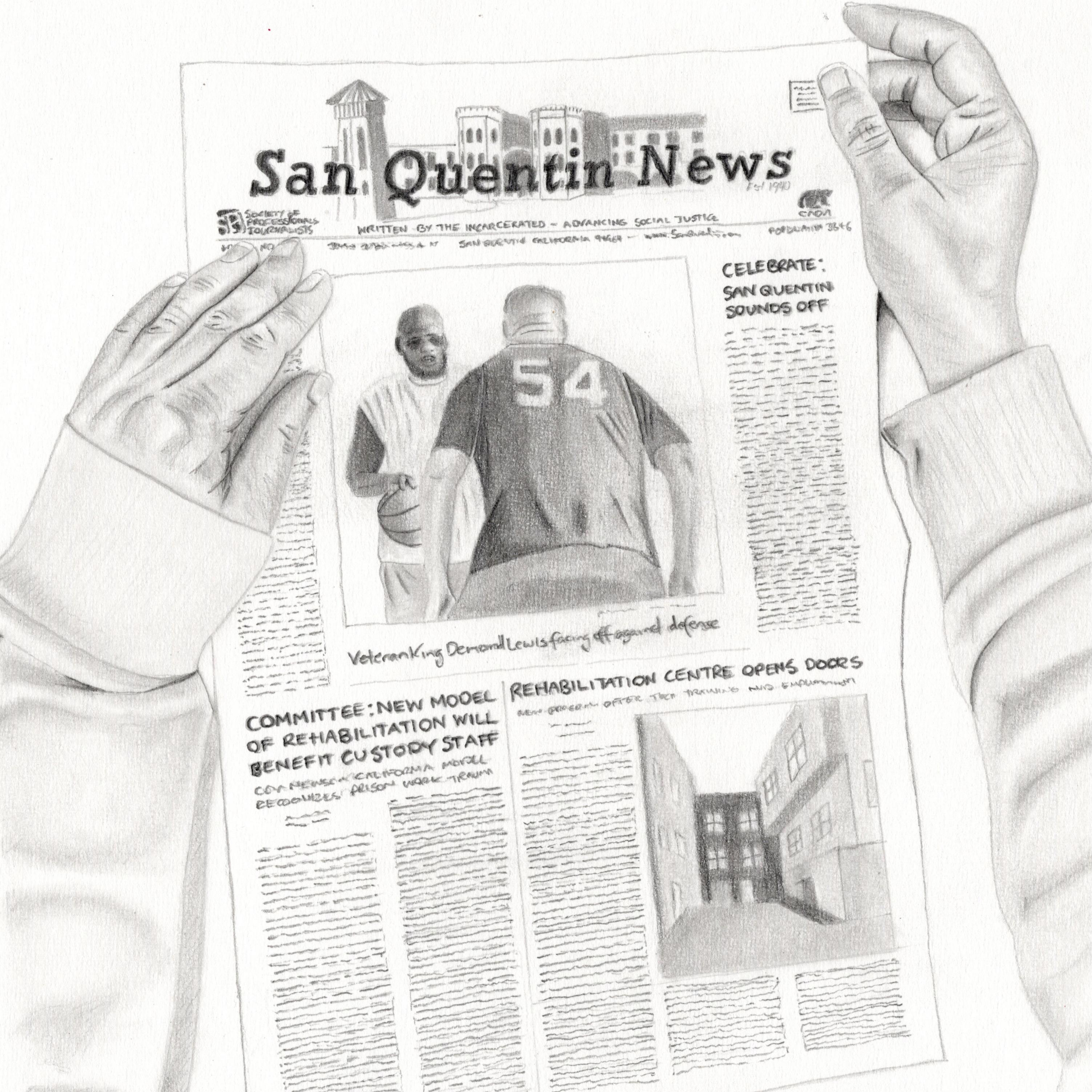
- For more: EarHustleSQ.com (episode notes) and SanQuentinNews.com (prison-produced newspaper referenced in the episode).
- The episode includes sponsor messages (BetterHelp, Quince, PolicyGenius) and a plug for EarHustle Plus for ad‑free and bonus content.
If you want a quick next step: listen to the full episode for the full conversation and emotional cadence—especially the video‑call segment where the father and daughter bridge decades in about an hour.