Overview of Corny-Ass Episode from Ear Hustle
This episode of Ear Hustle starts as a playful debate over whether “hugs” is a corny topic, then turns into a surprisingly moving collection of stories about physical affection, emotional vulnerability, and the deep hunger for human connection inside prison. The hosts use the episode to demonstrate a key storytelling lesson: sometimes the most important moments are revealed by small details—a sigh, a pause, a sound, a gesture.
Main Themes
Hugs as a window into emotional life
The episode explores how something as ordinary as a hug can carry enormous meaning in prison, where touch is limited, regulated, and often emotionally loaded.
Missing physical affection
Many speakers describe hugs as rare, unforgettable, or almost sacred. For people who have spent years or decades incarcerated, a hug can symbolize:
- love
- forgiveness
- protection
- reunion
- grief
- hope
Small details matter in storytelling
The hosts frame the episode around teaching interns how to listen for subtle cues in interviews. A deep sigh or emotional hesitation can signal that a story is about to become important.
Notable Stories and Moments
The “hug choreography” story
An incarcerated man describes preparing for his first visit with his mother after 13 years by mentally rehearsing how to hug her, unsure where his hands should go or what the right motion even was. The awkwardness of that preparation becomes the doorway into a bigger conversation about emotional distance.
Tom’s “hand hug”
Tom shares a prison-safe workaround for physical affection: a “hand hug” with palms together and thumbs wrapped around the other person’s hand. It becomes a funny but touching example of how people adapt to prison restrictions on touch.
Sammy’s memory of hugging his mother
Sammy talks about how the physical size dynamic changed over time—first hugging his mother as a child, then later having her arms reach his chest once he grew taller. The hug stays emotionally constant even as bodies change.
Jason’s reunion with a childhood friend
Jason recounts spotting a friend from juvenile hall on the prison yard after years apart. The two run toward each other and embrace in a moment that feels cinematic, even amid the ordinary chaos of prison life.
Kristen and her mother’s reconciliation
One of the most emotional stories in the episode. Kristen describes years of tension with her mother, followed by a genuine moment of repair during a visit. Their hug feels real, not obligatory. Afterward, her mother suffers a seizure and develops dementia, which unexpectedly gives them a second chance to rebuild their relationship without carrying the old anger.
Robert on the need for human touch
Robert explains how deprivation of physical affection in prison can show up in other behaviors—playful roughhousing, “grab ass,” and boundary-testing among men. He connects that to a basic human need for touch and connection.
A long-delayed hug with a mother
Another man describes hugging his mother at a family event after six years apart. He notices she has gotten smaller, and the moment highlights the painful shift when parents can no longer offer the same sense of protection they once did.
A hug with a little brother
One speaker says the person he most wants to hug is his younger brother, who is struggling severely with mental health outside prison. The story carries a lot of fear and grief, showing that longing for a hug can also be longing for someone’s safety.
Gabriela’s courtroom hug
Gabriela remembers being sentenced to 25-to-life and being allowed one last hug with her six-month-old nephew in the courtroom. Years later, she sees him again as an adult and they cry in each other’s arms. For her, it becomes “the best day of my life.”
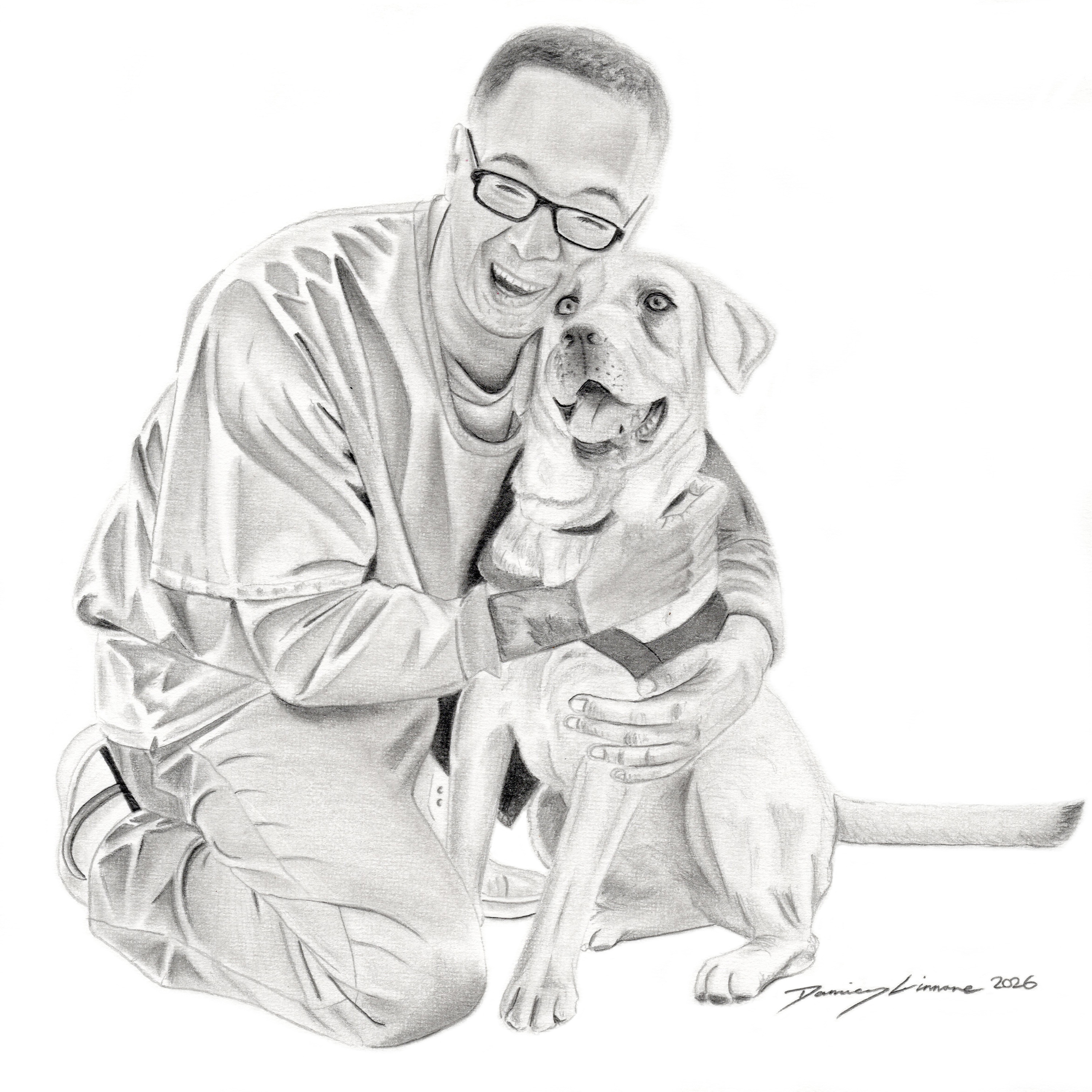
Tom and the dog, Maybe
Tom tells a story about trying to hug a prison dog, Maybe, only to realize the dog was trying to use his hands to remove her lead. The joke lands hard, but the moment still reflects his desire for connection with a living being that isn’t judging him.
LaToya’s childhood theft and its emotional roots
LaToya describes stealing school photo-order money as a child and giving it to her mother, which brought her the attention and affection she craved. She connects that early pattern to later criminal behavior, showing how the need for approval and love shaped her life.
Hugging daughters before prison
LaToya also shares that the last time she saw her daughters before prison, she dropped them off at school and hugged them goodbye. After her arrest, she didn’t see them again until they were teenagers. Their reunion hug is described as one of the most beautiful moments of her life.
Jorge/George and a life-saving hug
Jorge tells the story of being homeless, addicted to meth, and emotionally numb when a woman named Miriam hugged him unexpectedly. That hug made him feel safe and cared for. He says he still remembers it years later and sees it as a turning point.
Takeaways
- A “corny” topic can become deeply meaningful when people speak honestly about it.
- In prison, hugs are not casual; they can carry the weight of years, loss, forgiveness, and love.
- The episode reinforces one of Ear Hustle’s strengths: finding humanity in small, overlooked details.
- Physical touch is shown as a basic human need, not just a sentimental gesture.
- Many of the stories point to the same truth: people remember the hugs that made them feel seen, loved, or safe.
Episode Notes
What the hosts are doing with this episode
Nigel Poor and Earlon Woods use the episode both as a storytelling showcase and as a lesson for interns on how to listen closely and identify emotionally rich details.
Community and support reminders
The episode also includes:
- a fundraising appeal for Ear Hustle
- promotion for Ear Hustle Plus
- mention of live shows and ongoing prison touring
- acknowledgment of the many listeners inside and outside prison who support the show
If you want, I can also turn this into a shorter bullet-point recap or a scene-by-scene summary.