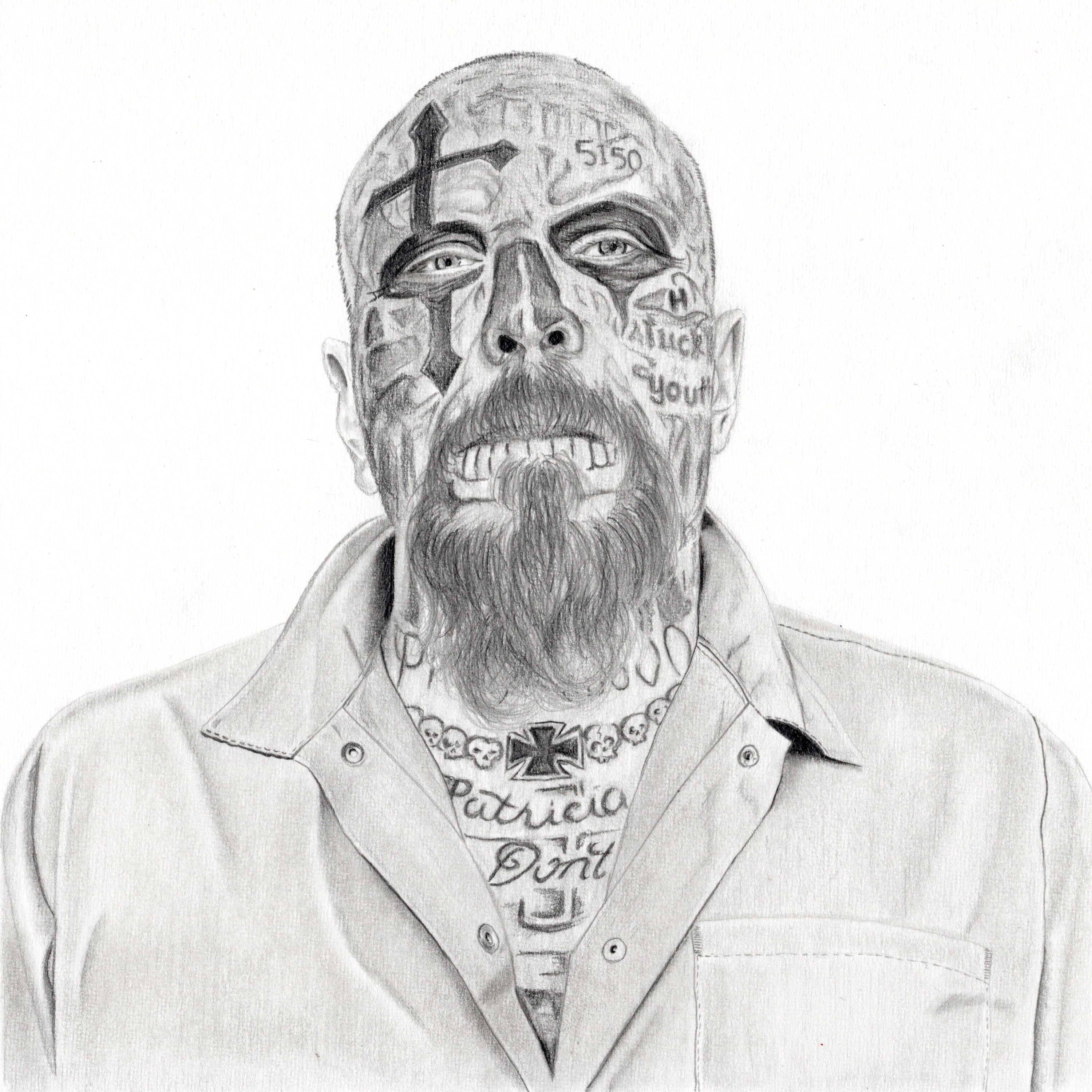
Overview of Bag of Skittles by Ear Hustle & Radiotopia
This episode explores body image in men’s prisons—how incarcerated people use their bodies to express identity, gain respect, protect themselves, and feel some control in an environment where so much is regulated. Through stories about tattoos, weightlifting, self-consciousness, masculinity, and genital modification, the episode shows that prison bodies are often shaped by fear, survival, and the need to be seen.
What the Episode Covers
Support for Ear Hustle
- The episode opens with a pitch for the show’s fundraiser:
- Goal: 1,000 donors by the end of the season
- Perks include a virtual live event, Ear Hustle Plus, and bonus content
- The opening also highlights the behind-the-scenes work of senior editor Amy Standen, underscoring how much listener support enables the show’s prison reporting, workshops, live shows, and storytelling programs.
Tattoos as identity, rebellion, and armor
- Peter describes getting heavily tattooed as a kid in prison/YA, including a face tattoo session that began when he was 13 and involved pruno, poor judgment, and a long, painful face tattooing.
- His tattoos became both a mask and a form of protection:
- They made him look scary
- They helped keep people away
- They shaped how others treated him in prison
- Peter also reflects on how tattoos were tied to:
- Native cultural identity
- Violence and gang life
- Later, love and loss through tattoos honoring women who mattered to him
Body insecurity and the pressure to look a certain way
- Tony talks candidly about feeling trapped in his body and obsessing over his appearance.
- He says he thinks about his body 15–20 times a day and is especially aware of it:
- climbing stairs
- bending over
- seeing other men with visible abs or muscular builds
- He describes insecurity about his stomach and “man boobs,” and how prison makes body comparison unavoidable.
- Jason asks how he feels naked in the shower, and Tony reveals he rushes, covers up, and avoids being seen because he feels exposed and uncomfortable.
Masculinity, fear, and weightlifting as protection
- Several men describe how prison pushes them to build bigger, tougher bodies.
- Jesse reads a letter about fear, loneliness, and needing to become stronger to survive:
- He felt he had to stop being physically vulnerable
- He describes prison as emotionally crushing and says he has struggled with suicidal thoughts
- Joseph explains that when he arrived in prison as a small, scared young man, lifting weights and getting bigger became a way to avoid victimization.
- Robert frames body image as one of the few available ways for men in prison to distinguish themselves:
- through exercise
- hairstyle
- style
- physical strength
- He says it’s partly about safety, but also about being seen and feeling respected.
The “California body” and prison gym culture
- The episode jokes about the “California body” stereotype:
- big chest, arms, and back
- skinny legs
- One man explains that in California prisons, men often focus heavily on upper-body development and neglect legs.
- He says he studied an Arnold Schwarzenegger bodybuilding book and mapped out a plan to leave prison in better shape.
A graphic story about penile enhancement
- The most uncomfortable segment centers on genital enhancement tattoos/implants in prison.
- Tom explains that a friend, Q, showed him a method for inserting objects under the skin of the penis to create “enhancement.”
- The story is intentionally graphic and absurdly dark, with improvised tools and painful procedures.
- Tom says the practice is driven by:
- insecurity
- dominance
- masculinity
- the desire to feel superior
- He compares the transformation to becoming “Batman all the time,” meaning the procedure gives him a constant sense of enhanced power and identity.
Peter’s reflections on fear, gangs, and love
- Peter discusses his earlier involvement with racist prison politics and violence, including nearly joining an Aryan Nation group before someone pulled him away.
- He explains that his intimidating appearance and tattoos helped him in prison by discouraging conflict.
- Later, the conversation shifts into a surprisingly tender direction:
- he speaks about women he loved
- the pain of addiction, loss, and unconditional love
- how tattoos became memorials to the people who shaped him
- He reserves two remaining tattoo spaces for his mother and one other woman he loved deeply.
Main Themes and Takeaways
1. Prison bodies are about survival
In prison, the body is not just personal—it’s strategic. Men may alter their appearance to:
- reduce vulnerability
- avoid harassment
- signal toughness
- gain respect
- keep control over something in a highly controlled environment
2. Masculinity can be performative and fragile
The episode repeatedly shows that “toughness” is often covering:
- fear
- shame
- insecurity
- loneliness
- trauma
3. Body image in prison is complicated
The men’s experiences show that body image is not just about vanity. It can mean:
- safety
- status
- desire
- power
- self-worth
- recognition
4. Tattoos tell prison biographies
Tattoos are presented as records of:
- rebellion
- cultural roots
- pain
- relationships
- violence
- love
- identity shifts over time
5. The show intentionally challenges stereotypes
Ear Hustle points out how easy it is to stereotype incarcerated men by body type, but the episode pushes beyond simple labels to show the emotional realities underneath.
Notable Insights
-
“Body image is one of the few outlets we have in here to be able to do that.”
This captures the idea that appearance becomes a rare form of self-expression in prison. -
“It makes me feel superior… I actually’m Batman all the time.”
Tom’s explanation reveals how body modification can function as a psychological shield. -
“We both fat boys.”
Tony and Erlon use humor to talk about insecurity, showing how vulnerability often comes out through joking. -
“It used to be I was somebody that thrived off of being feared… Now, not so much.”
Robert describes a shift from intimidation toward wanting to be loved and respected.
Content Notes
- Strong language throughout
- Graphic discussion of sex-related body modification
- References to violence, fear, suicide, addiction, and prison trauma
Bottom Line
Bag of Skittles is a candid, often funny, and sometimes unsettling look at how incarcerated men experience their bodies. Whether through tattoos, muscles, shame, or extreme modification, the episode shows that body image in prison is deeply tied to identity, protection, and the need to matter in a place built to reduce individuality.