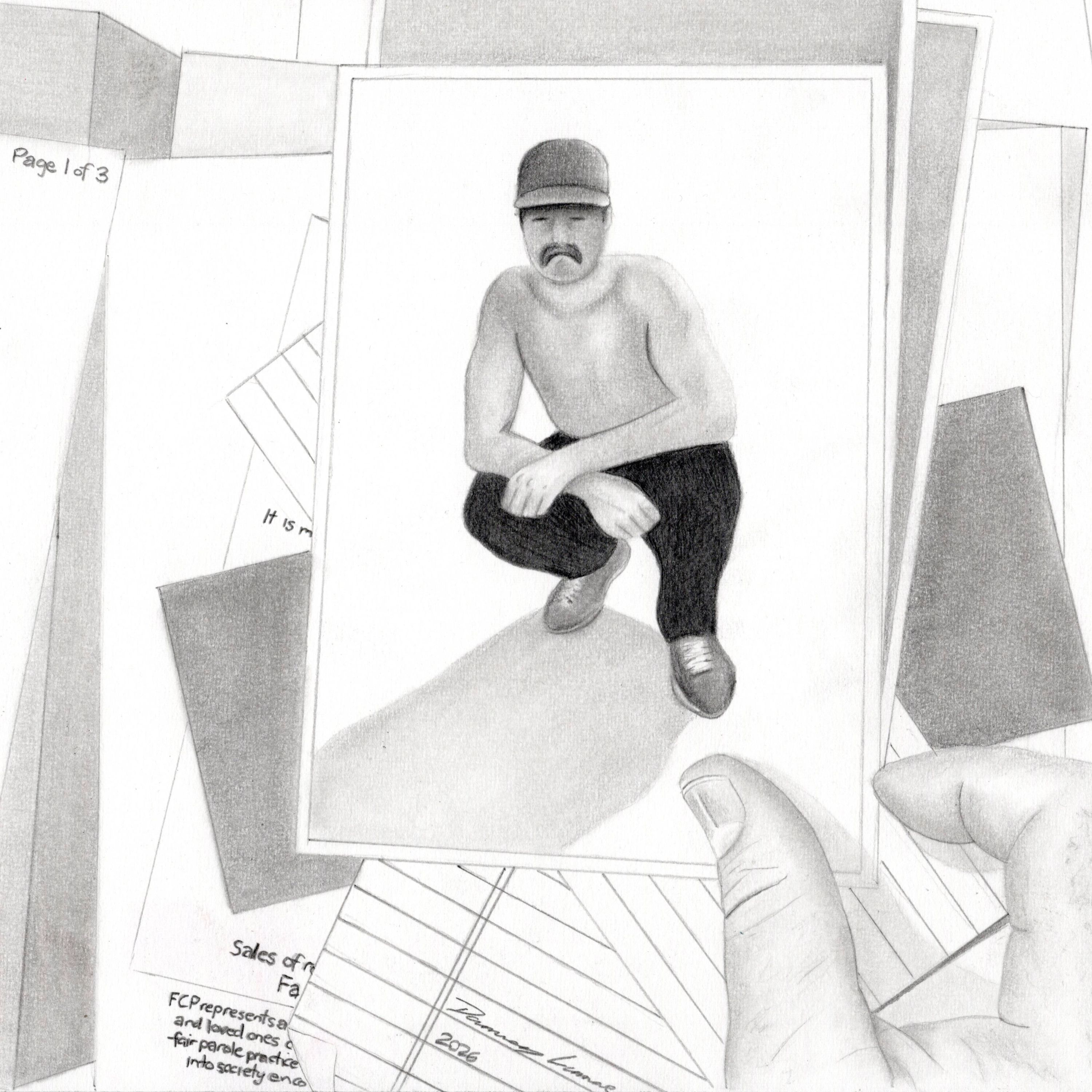
Overview of 13 to 29
This Ear Hustle episode centers on Jack Morse, who spent nearly 40 years in prison and about 35 of those years in the SHU (security housing unit), California’s version of solitary confinement. Through Jack’s memories, the episode shows how prison violence, isolation, and survival shaped his life — and how creativity, education, and relationships helped him endure it. The title, “13 to 29,” refers to a chess opening that became a code phrase of connection among men living in the SHU.
Jack Morse’s Story
Jack reflects on a lifetime inside California prisons, including San Quentin, Folsom, Corcoran, Pelican Bay, and others. He first entered prison as a teenager and quickly got pulled into the same violent, status-driven culture that ruled the yards.
Early incarceration
- His first solitary experience happened when he was about 11 or 12 in juvenile hall.
- By the time he reached adult prison at 18, he was already familiar with jail culture.
- He describes early prison life as constant danger, where people carried knives and violence was often racially charged.
Time in the SHU
- Jack spent years cycling in and out of isolation before being placed on an indeterminate SHU term in the early 1980s.
- He says he never imagined he’d spend decades there.
- In 1989, he was transferred to Pelican Bay, then the state’s most extreme security prison.
Life in Solitary Confinement
The episode gives a vivid picture of what long-term solitary feels like physically and mentally.
Conditions Jack describes
- A concrete cell with little or no furniture at first
- No windows
- Long periods with 22 to 23 hours a day locked down
- Limited human contact, often reduced to brief exchanges through the door or across tiers
- Constant noise from locks, chains, trays, and guards
Psychological impact
Jack explains that the isolation changed him:
- His eyesight worsened
- He became used to the sounds of confinement
- He experienced anxiety attacks, which he feared were signs he was “going crazy”
- He says the environment was designed to break people down
A major theme is that solitary doesn’t just isolate the body — it slowly erodes a person’s sense of time, identity, and mental stability.
Survival, Strategy, and Prison Culture
Jack’s survival depended on reading people quickly and projecting toughness.
Violence and bluffing
- He recounts a moment when he believed two men were about to kill him, and he survived by bluffing that he had a weapon.
- In that era, prison conflict was often not fistfights but knife violence, with the intent to seriously injure or kill.
The rules of respect
- Prisoners in the SHU were expected to stay “soldier-like.”
- If someone “debriefed” — prison slang for cooperating with authorities — they could lose all status and be cut off from other prisoners.
- Jack explains that even close relationships could flip instantly if survival required it.
How Men Built a Life in the SHU
Despite the harshness, Jack and others found ways to create structure and meaning.
Intellectual and creative survival
- Chess: Prisoners played chess through the doors using paper boards and numbered squares. “13 to 29” became a greeting and shorthand for belonging.
- Math: Men taught themselves math together, from basic arithmetic to calculus.
- Word games: They challenged each other with vocabulary and knowledge.
- Charity work: Jack and others gathered clothes and sent them through Jane Goodall’s foundation, creating a connection to the outside world.
- Writing: Jack wrote poetry, including romantic poems for imagined companionship.
These activities show that even in extreme isolation, prisoners built communities of the mind.
Release and Life After the SHU
Jack was released from the SHU in 2017 after nearly four decades.
Transition challenges
- His body and senses had to adjust to the outside world.
- He got sick often after leaving the sterile environment.
- For the first time in decades, he was around free movement, noise, and open space.
Emotional release
Jack wrote a poem titled “Illuminated Future” about leaving the hole behind. It captures both the damage done and the relief of surviving it.
Life with Dolores
The episode ends with warmth: Jack’s relationship with Dolores, whom he calls his “dame,” gives him companionship and stability. Their playful bickering about habits like making the bed or where to leave shoes shows a life now built around ordinary domestic routines — a sharp contrast to solitary confinement.
Key Takeaways
- Solitary confinement leaves long-lasting psychological and physical scars.
- Prison life can force people into violence while also pushing them toward intellectual growth and self-discovery.
- Human connection matters: chess partners, mentors, letters, and romance all helped Jack survive.
- Jack’s story is both personal and systemic — a portrait of one man, but also of a prison system built to isolate and dehumanize.
Notable Insight
Jack’s experience suggests that survival in solitary is not just about toughness. It’s also about adaptability, imagination, and finding ways to remain human when the system is designed to strip that away.