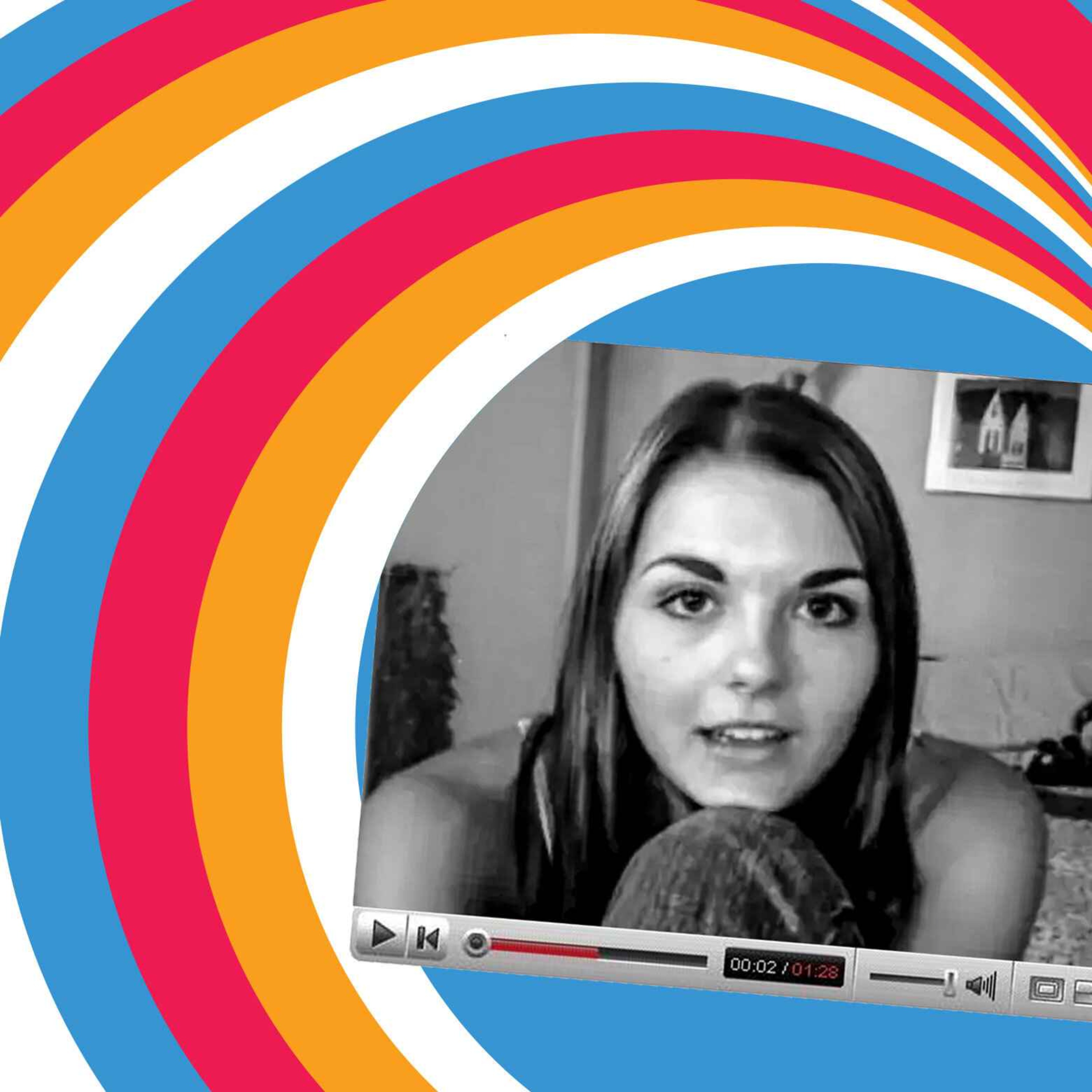
Overview of Who Was Lonelygirl15?
This Decoder Ring episode (Slate Podcasts) recounts the rise, unmasking, and cultural impact of LonelyGirl15 — a 2006 YouTube phenomenon that presented as a teen video-blog (Bree, a homeschooled 16‑year‑old) but was actually a scripted project created by a small team. The episode traces how the videos built a massive, obsessive fan community; how amateur sleuths and reporters exposed the hoax; the fallout for creators and fans; and why the series mattered for the future of online video, fandom, and parasocial media.
Key points and main takeaways
- LonelyGirl15 began as deceptively authentic-looking vlog videos of “Bree” (LonelyGirl15) and quickly became YouTube’s most-watched vlogger in summer 2006.
- Creators Miles Beckett and Mesh Flinders conceived the project as a scripted hoax to exploit the new medium: make a believable video‑diary character, build an audience, then expand into other projects (original plan even included a movie).
- Actress Jessica Rose (billed then as Jessica Phillips) played Bree; Amanda Goodfried managed Bree’s online presence and fan correspondence.
- Online investigators and journalists exposed the fabrication via amateur sleuthing — notably a MySpace message trap that revealed an IP tied to Amanda at a talent agency (CAA) — and leaked photos/cached pages.
- The reveal (mid‑September 2006) provoked feelings of betrayal among some fans but also drew even more viewers; the show shifted toward overt fiction (cult plotlines, kidnappings) and continued for about a year.
- Legacy: LonelyGirl15 anticipated and accelerated key internet phenomena—direct-to-camera vlogging, intense parasocial fan communities, internet sleuthing, influencer culture, and the idea that video plus community could produce fame outside traditional media.
Timeline (concise)
- April 2005: YouTube launches (context for the format shift).
- Summer 2006: Bree/LonelyGirl15 appears and rapidly gains viewers; early videos are low-key vlogs.
- Early July 2006: Episode “My Parents Suck” introduces darker hints; views and fan analysis surge.
- August 2006: Fan forums intensify investigations; some worry Bree might be in a cult; others suspect a hoax.
- September 13, 2006: L.A. Times and New York Times publish exposes revealing LonleyGirl15 as scripted — actress Jessica Rose and a production team behind it.
- August 5, 2007: The character Bree is killed off; the original team fragments and the series winds down.
People and roles
- Miles Beckett — co‑creator; doctor turned YouTube producer; conceptualized the hoax and seeded early activity.
- Mesh Flinders — co‑creator/screenwriter; helped craft the character and plot.
- Jessica Rose (Jessica Phillips) — actress who portrayed Bree/LonelyGirl15 on camera.
- Amanda Goodfried — managed Bree’s online correspondence (MySpace/comments/emails) and created MySpace presence; tied to CAA through family.
- Greg Goodfried — lawyer involved in business/legal side (father-in-law Kenneth Goodfried registered a LonelyGirl trademark).
- Virginia Heffernan (NYT), Richard Rushfield (LA Times), and many forum sleuths (e.g., Chris Patterson) — journalists and fans who pursued the investigation and coverage.
How the hoax was uncovered (brief)
- Fan investigators used forensic clues (freeze frames, background plants, props, trademark filings) and coordinated techniques.
- A deliberate MySpace message with tracking code revealed an IP address associated with a talent agency (CAA), linking responses to Amanda Goodfried and exposing the operation.
- Leaked set photos and cached MySpace pages further confirmed the scripted production.
Reactions and ethical issues
- Many fans felt betrayed and left; others stayed or increased viewership.
- Creators defended the project as storytelling/art — “This is art. This is a story. This is a show.” — while some team members (Amanda) acknowledged ethical discomfort.
- The episode highlights tensions: storytelling vs. deception, creator responsibility to audiences, and the power/risks of parasocial attachment.
Why it mattered / legacy
- Format: LonleyGirl15 normalized the intimate, confessional direct-to-camera format that powers vlogging, TikTok, Instagram Reels, and creator culture.
- Community: It showcased how engaged online communities co-produce narratives (fan sleuthing, theorycrafting, forums).
- Media dynamics: Demonstrated how grassroots attention can outpace and reshape professional media strategy — and how easily audiences can police authenticity.
- Precedent: Early, high‑profile example of a viral media hoax that presaged later influencer controversies, participatory fandom, and questions about authenticity online.
Notable quotes from the episode
- On creators’ defense: “This is art. This is a story. This is a show.”
- On a critic’s wish: “I wanted her to be in control of the camera.” (Virginia Heffernan expressing why she’d preferred the persona to be genuinely teen-authored)
- Creator reflection: the team regarded the project as a major cultural moment even if they later had mixed feelings about the fallout.
Practical lessons / takeaways for creators and audiences
- For creators: transparency and plans for audience reaction matter; audiences can quickly investigate and push back.
- For audiences: parasocial relationships are powerful; be cautious about emotional investment when authenticity is uncertain.
- For journalists/reporters: digital openness creates both storytelling possibilities and ethical dilemmas; verify sources and methods (IP tracking, etc.) carefully.
Further context / recommended follow-ups
- The episode situates LonelyGirl15 as a milestone in the evolution from early YouTube to today’s creator economy. For more, look up contemporaneous NYT and LA Times coverage (Sept 2006) and later retrospectives on scripted web series and early influencer culture.