Overview of What Even Is a “Podcast” Anymore?
This Decoder Ring episode examines how “podcast” has transformed from an audio-first, RSS-distributed medium into something increasingly visual, YouTube-driven, and format-specific—often meaning a casually filmed chat show with big microphones. Host Willa Paskin and supervising producer Evan Chung use their own show’s identity crisis to trace podcasting’s history, economics, and future, arguing that the medium has drifted far from its original definition and is now converging with video content in ways that both expand reach and narrow creative possibilities.
How Podcasting Evolved
Early podcasting: audio, openness, and experimentation
- Podcasting began as a democratized form of online audio, enabled by the MP3 and RSS.
- In the mid-2000s, “podcast” was a broad label for many forms:
- radio shows distributed online
- confessional talk formats
- field recordings
- experimental audio pieces
- For Evan, podcasting grew naturally out of radio and sound design, where the lack of visuals felt liberating rather than limiting.
Serial and the narrative boom
- Serial (2014) was a turning point that made podcasting culturally huge.
- It proved that serialized audio storytelling could draw large, devoted audiences.
- That success helped spur:
- narrative shows like In the Dark, S-Town, and Missing Richard Simmons
- major news podcasts like The Daily
- a wave of new podcast networks and startups
The business boom—and bust
- The 2010s were a peak era for podcast prestige and investment.
- Companies like Gimlet, Wondery, and The Ringer became acquisition targets for Spotify and Amazon.
- But the economics of high-effort narrative podcasts never fully matched the startup-style growth expectations.
- As ad markets tightened, expensive narrative shows became harder to sustain, while cheaper, frequent chat/interview shows proved more profitable.
What “Podcast” Means Now
The medium has become visual
- The word “podcast” is no longer reliably audio-only.
- Many of today’s most recognizable podcasts are watched as much as listened to, especially via YouTube and social clips.
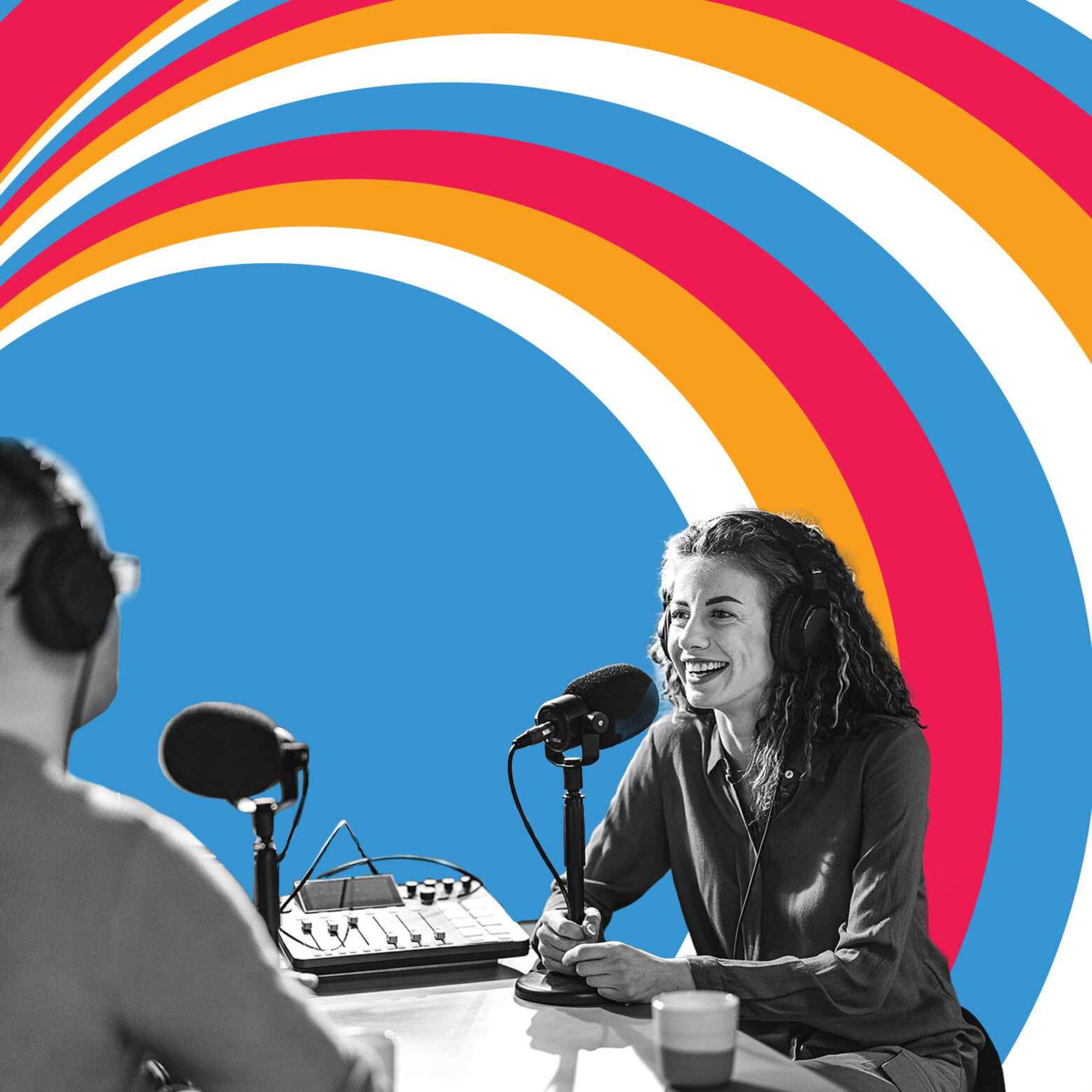
- The “podcast look” has become its own visual genre:
- two people in chairs or on couches
- oversized microphones in frame
- loose, conversational staging
- These microphones are often more symbolic than functional, serving as a visual shorthand for authenticity and informality.
Chat shows now dominate the label
- If you ask people today what a podcast is, many would describe:
- a celebrity interview
- a comedy hang
- a casual conversation filmed in a studio or garage-like setting
- Examples discussed include:
- The Pete Davidson Show
- The Joe Rogan Experience
- Call Her Daddy
- Good Hang
- The episode argues that this has effectively redefined the term “podcast” for mainstream audiences.
Willa and Evan’s Central Debate
Willa’s view: the narrative podcast is being squeezed out
- Willa worries that the rise of video/chat formats may crowd out the kinds of carefully reported, story-driven audio shows she values.
- For Decoder Ring specifically, making a true video version would require:
- rethinking interviews
- gathering B-roll
- building a more documentary-style production pipeline
- That would be much more labor-intensive and could reduce the number of episodes they can make.
Evan’s view: radio/audio is its own medium
- Evan sees podcasting as an extension of radio, and radio as fundamentally sound-based, not genre-specific.
- He values the freedom of audio and the way it leaves room for imagination.
- He’s skeptical of the idea that video is inherently the “future,” especially if it means losing the richness of sound-driven storytelling.
Shared concern: the word may matter less than the creative loss
- Both agree that what’s being lost is not just a term, but a range of forms and possibilities.
- Their deeper fear is that the industry is converging on a smaller set of cheap, proven formats because those are easiest to monetize and scale.
The Core Argument About the Industry
Podcasting followed the larger media economy
- The episode places podcasting’s shift in a broader media context:
- tech platforms like Google and Facebook drained ad revenue from journalism
- podcasting briefly looked like a new refuge for serious reporting
- then podcast ad revenue also tightened
- As a result, the financial incentives moved toward:
- frequent publishing
- low production costs
- personality-driven conversation
- formats that work well on YouTube and social clips
Video accelerates convergence
- TikTok and Instagram Reels pushed short, punchy video as the dominant internet format.
- Podcast clips now circulate as social content, often divorced from the original show.
- This contributes to a flattening effect where audio, video, talk show, and “content” blur together.
What the Episode Says About Decoder Ring
The show’s identity is tied to audio craft
- Willa makes clear that Decoder Ring is built around:
- reporting
- structure
- careful editing
- sound as storytelling
- She is not ambivalent about making the show itself—only about the media environment around it.
The future feels uncertain but not hopeless
- The episode ends with an honest, unresolved tension:
- stay the course and risk shrinking
- adapt and risk losing what makes the show distinctive
- The final message is not a call to abandon audio, but a recognition that the medium is changing faster than the old labels can keep up.
Key Takeaways
- “Podcast” used to mean audio-first, open, and genre-flexible; now it often means video chat content.
- Serial’s success helped define the modern podcast boom, but also set unrealistic economic expectations.
- The most profitable podcasts today are often conversational, frequent, and easier to produce.
- Video and social clips have made podcasts more visible, but also more standardized.
- Willa and Evan’s debate reflects a larger media anxiety: how to preserve distinctive forms when platforms reward sameness and scale.
Notable Insight
The episode’s central worry is not just “What is a podcast?” but “What kinds of storytelling survive when every medium is pushed toward the same video-friendly shape?”