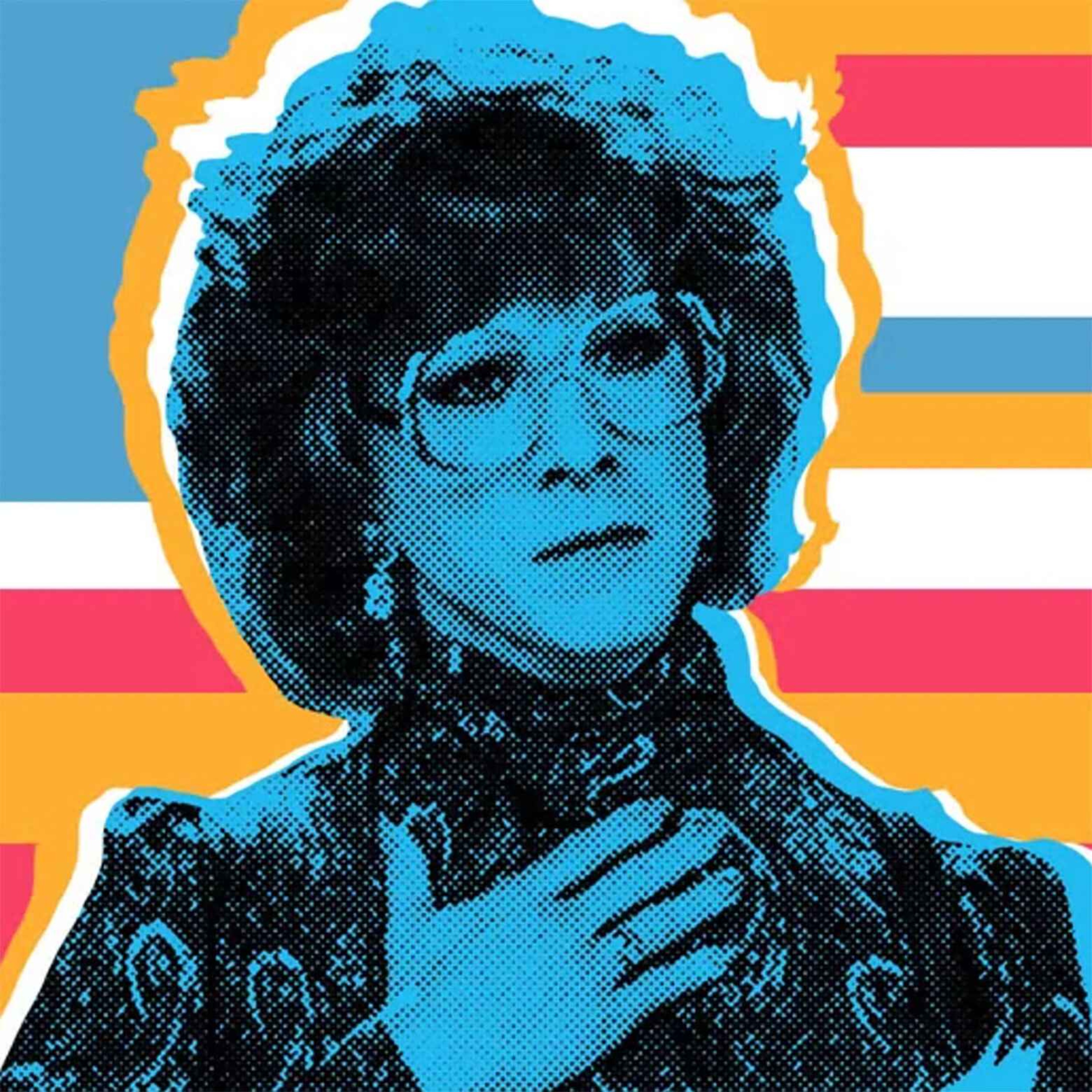
Overview of The Tootsie Shot (Encore)
This Decoder Ring episode investigates one of the most recognizable movie images of the last 50 years: the shot where a protagonist is isolated in a bustling city crowd, usually walking with purpose through a busy New York street. Willa Paskin traces how this “Tootsie shot” evolved from a gritty 1970s image of alienation into an upbeat 1980s visual shorthand for ambition, work, and urban self-making. The episode blends film history, city history, and cinematography to explain why this brief, wordless shot feels so memorable—and why it means something different depending on the era.
What the “Tootsie Shot” Is
The shot typically features:
- A protagonist moving through a dense city crowd
- A telephoto lens that compresses space and makes the street feel packed
- The character sharply emphasized amid slightly blurred surrounding pedestrians
- A short, transitional moment that often appears in a montage
It’s an image that instantly signals: someone is on the move, entering the city, heading to work, or trying to make it.
Why Tootsie Matters
The episode argues that the shot is named for the version in Tootsie (1982), where Dustin Hoffman’s character Dorothy is revealed walking through Midtown in drag, blending into the crowd while still standing out.
Why that scene works so well
- Hoffman wanted the disguise to feel believable on a real New York street
- The crowd does not react, which makes Dorothy feel accepted by the city
- The moment is funny, but also strangely affirming: she’s just another professional trying to get somewhere
This helped turn the shot into a symbol of urban legitimacy, hustle, and self-invention.
The Shot’s Earlier, Grittier Meaning
Before Tootsie, the same visual device had a darker feel in 1970s New York films.
Examples discussed
- Midnight Cowboy
- The French Connection
- Shaft
- Taxi Driver
- Clute
- Dog Day Afternoon
- Panic in Needle Park
In these films, the shot often emphasizes:
- Outsiders
- Hustlers and loners
- Dangerous or alienating urban life
- A city that feels indifferent or hostile
In Midnight Cowboy, for instance, Jon Voight’s Joe Buck is swallowed by the crowd, making the image less about ambition and more about dislocation.
The Real-World Roots of the Shot
The episode goes back further to photographer Andreas Feininger, whose street photography helped establish the visual language behind the shot.
Key technical idea
- The telephoto lens compresses distance
- It makes streets appear more crowded than they are
- Far-apart people and objects appear stacked together
Feininger’s famous photograph “Rush Hour, Fifth Avenue” (1953) is presented as a major precursor to the cinematic version of the shot.
How New York Movie-Making Changed It
The episode shows that the shot became common only after movies increasingly began filming on-location in New York in the late 1960s.
Important turning points
- Mayor John Lindsay’s Executive Order No. 10 made filming on city streets easier
- The MPAA rating system replaced the old Production Code in 1968
- New York cinema exploded just as the city itself became grittier, more chaotic, and more expensive
That combination gave filmmakers a real city to capture, rather than a studio-built imitation.
How the Shot Changed in the 1980s
As New York moved out of its 1970s crisis and into a more aspirational Reagan-era mood, the shot’s meaning changed too.
In the 1980s, it increasingly signaled:
- Professional ambition
- Female upward mobility
- Urban success
- The energy of going to work, not just surviving the city
Films like these helped cement that shift:
- Working Girl
- Baby Boom
- Nine to Five
- Wall Street
- Elf
- The Devil Wears Prada
- Bridget Jones’s Diary
- The Pursuit of Happyness
- The Wolf of Wall Street
The episode notes that women become especially central to the shot’s 1980s and 1990s meaning, often as secretaries, businesswomen, and career climbers.
Why the Shot Feels Less Common Now
Paskin explores whether the shot has declined in modern movies and concludes that it may be less common, but also less striking when it does appear.
Possible reasons
- Fewer mid-budget adult films, which were the shot’s natural home
- New York is safer, cleaner, and less visually chaotic
- Modern ambition is often shown through late-night screen work rather than morning commuting
- The shot has become a recognizable convention, if not a cliché
Still, the episode argues that it remains powerful because it asks a timeless question:
Who gets singled out from the crowd, and why?
Key Takeaways
- The “Tootsie shot” is a brief but highly expressive cinematic device.
- Its meaning changed from alienation and outsider status in the 1970s to ambition and professional motion in the 1980s.
- Telephoto lenses and real street crowds are what make the shot visually distinctive.
- New York’s changing economy, safety, and image helped shape the shot’s evolution.
- The shot endures because it instantly tells a story about a character’s place in the city.
Notable Insight
A central idea of the episode is that the shot is not just about a person walking down a street—it’s about whether the city sees that person as part of the crowd or as someone worth noticing.