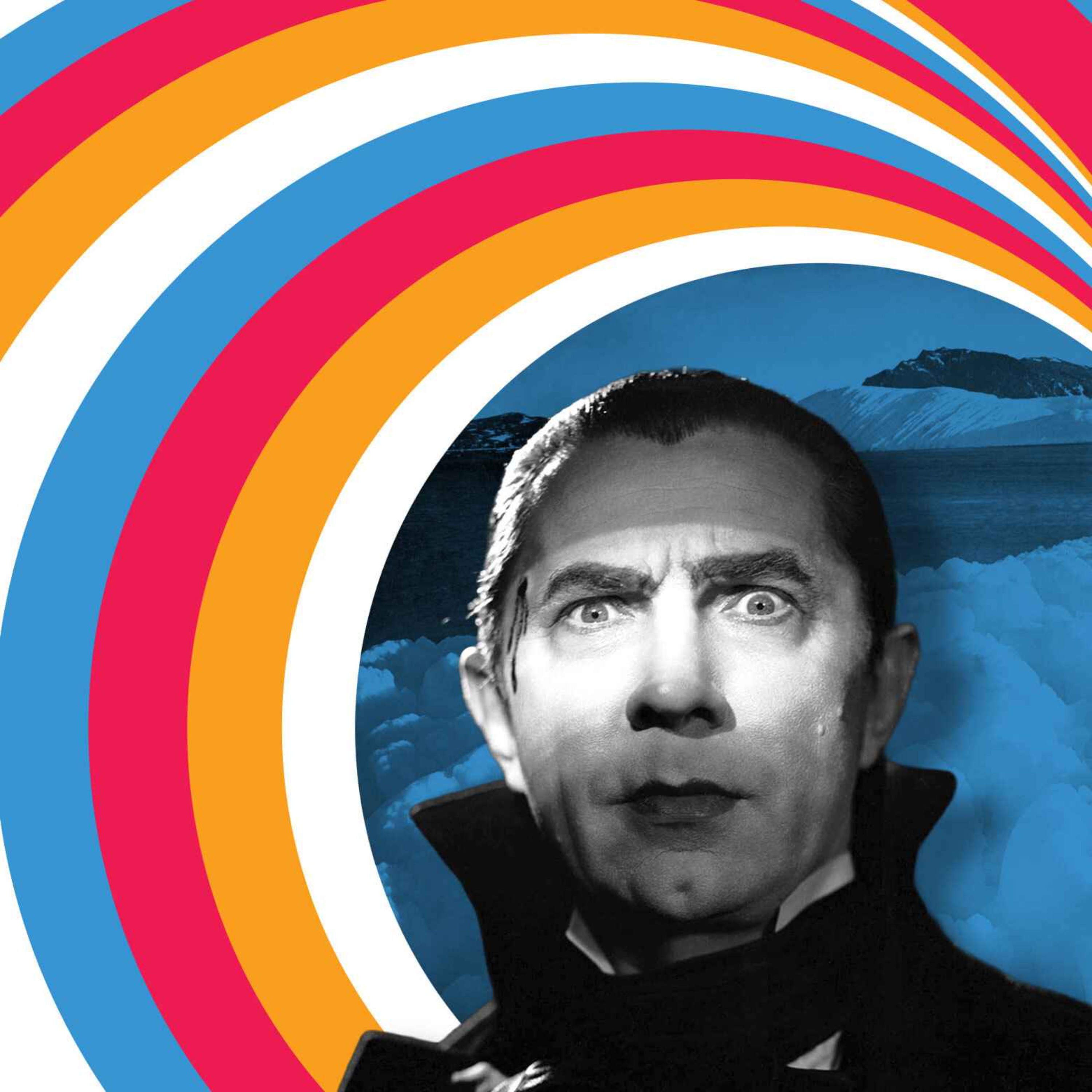
Overview of The Spooky Saga of the Icelandic Dracula
Slate’s Decoder Ring investigates the strange case of Powers of Darkness (Makt myrkranna), a bizarre Icelandic “translation” of Dracula that turned out to be much more than a simple translation. What begins as a childhood fear of Icelandic undead folklore becomes a literary mystery involving altered text, hidden publication history, possible plagiarism, and a surprising Scandinavian origin story for a radically reworked Dracula.
The Starting Point: Icelandic Folklore and a Childhood Fear of the Undead
- The episode opens with Ásgeir Jónsson, who grew up in rural northwest Iceland hearing medieval sagas full of:
- elves and trolls
- ghosts and magicians
- especially terrifying undead creatures called draugr (often rendered as “droigers” in the transcript)
- These undead were not mindless zombies but persistent, intelligent, corpse-like beings that had to be destroyed physically.
- As a child, Ásgeir was also frightened by Dracula via a Danish TV adaptation and became fascinated by vampires and the undead.
The Discovery of a Strange Dracula Book
- As an adult, Ásgeir found a deteriorating old book in a Reykjavik antiquarian bookstore run by a former pastor.
- The book was called Makt myrkranna / Powers of Darkness and appeared to be an Icelandic translation of Bram Stoker’s Dracula.
- But it was immediately obvious that this was not a standard translation:
- it was much shorter
- major sections of the novel were missing
- new scenes and characters had been added
- the book was more sexually explicit
- Dracula’s character was more political and ideologically charged
How It Differs from Bram Stoker’s Dracula
- The episode contrasts the original novel with the Icelandic version, highlighting how the public image of Dracula is shaped more by later adaptations than by Stoker’s text.
- In Stoker’s original:
- Dracula is present, but surprisingly little of the book is actually about him
- the novel is structured through letters, diary entries, and documents
- the famous castle opening is only the first part of the story
- In Powers of Darkness:
- the plot moves faster
- the sexual content is stronger
- there is a dramatic human sacrifice scene
- Dracula is presented as a world-domination / power-politics villain, not just a bloodsucker
The First Big Theory: Did Bram Stoker Help Write It?
- The Icelandic edition included a mysterious preface signed only “B.S.”
- Because the initials matched Bram Stoker, some scholars believed Stoker may have:
- written the preface
- been involved in the adaptation
- possibly supplied an earlier, uncensored draft of Dracula
- This led to speculation that Powers of Darkness might be based on a lost version of Stoker’s novel.
Icelandic Publishing Context and the Translator
- The episode explains that around 1900, Iceland had a strong reading culture:
- households gathered for evening reading
- magazines and serialized fiction were common
- translations were often loose, shortened, or adapted for local tastes
- Powers of Darkness was attributed to:
- Bram Stoker
- Valdemar Ásmundsson, an Icelandic editor and publisher
- Ásmundsson was a self-taught linguist, literary figure, and political progressive who supported:
- Icelandic independence
- women’s rights
- religious freedom
- modernity and social reform
- That political worldview may help explain why the Icelandic text leans harder into power, conspiracy, and social conflict.
The Twist: It Was Really Based on a Swedish Version
- The mystery deepened when researchers found that the Icelandic version was not the original source of those changes.
- A Swedish scholar, Rickard Berghorn, discovered an earlier Swedish serialization titled Mörkrets makter (“Powers of Darkness”).
- That Swedish version:
- predates the Icelandic one
- contains almost all the weird elements later seen in Icelandic Powers of Darkness
- is much longer than Stoker’s original Dracula
- This revealed that the Icelandic book was essentially a condensed adaptation of the Swedish reworking, not a unique alternate Dracula.
The Second Twist: The “B.S.” Preface Was Also Dubious
- After the Swedish version surfaced, scholars found that part of the mysterious preface had been plagiarized from the memoirs of a Swedish pastor.
- So the “B.S.” initials likely did not mean Bram Stoker.
- That further weakened the theory that Stoker himself had directly endorsed or authored the strange Nordic version.
Who Actually Wrote the Swedish Version?
- The Swedish edition credits an anonymous “A.E.”
- Like the Icelandic case, the identity of the adapter remains uncertain.
- Scholars believe A.E. was likely a newspaper pseudonym, common in the era.
- The exact identity of A.E. is still debated, but the evidence suggests:
- the Swedish version was the real source of the major additions
- the Icelandic text was a later, heavily abridged reworking of that Swedish adaptation
Main Takeaways
- The Icelandic Dracula mystery is real, but not in the way people first thought.
- It is not a hidden Bram Stoker masterpiece.
- It is not a straightforward translation.
- The true ancestor of the Icelandic version is Swedish, not English.
- The Icelandic text likely descended from the Swedish Mörkrets makter.
- These Dracula versions show how stories mutate across cultures.
- Translators and adapters reshaped the material to fit local tastes, politics, and publishing norms.
- The episode’s bigger point is literary inheritance.
- Vampire stories constantly copy, remix, and mutate one another.
- The fun is not just in finding the “original,” but in seeing how each culture makes the vampire its own.
Notable People Mentioned
- Ásgeir Jónsson — Icelandic central bank governor and Dracula sleuth
- Willa Paskin — host/narrator of the episode
- Helen Zaltzman — compared the versions of Dracula
- Valdemar Ásmundsson — Icelandic editor/publisher tied to Makt myrkranna
- Rickard Berghorn — Swedish writer who uncovered the earlier Swedish version
- Hans de Roos — scholar who helped bring the Icelandic version into English
Bottom Line
This episode is a literary detective story about how Dracula was transformed across Scandinavia. What looked like a mysterious Icelandic vampire text turned out to be part of a longer chain of adaptation, remixing, and reinvention—proving that vampire lore, like vampires themselves, is hard to kill and always comes back changed.