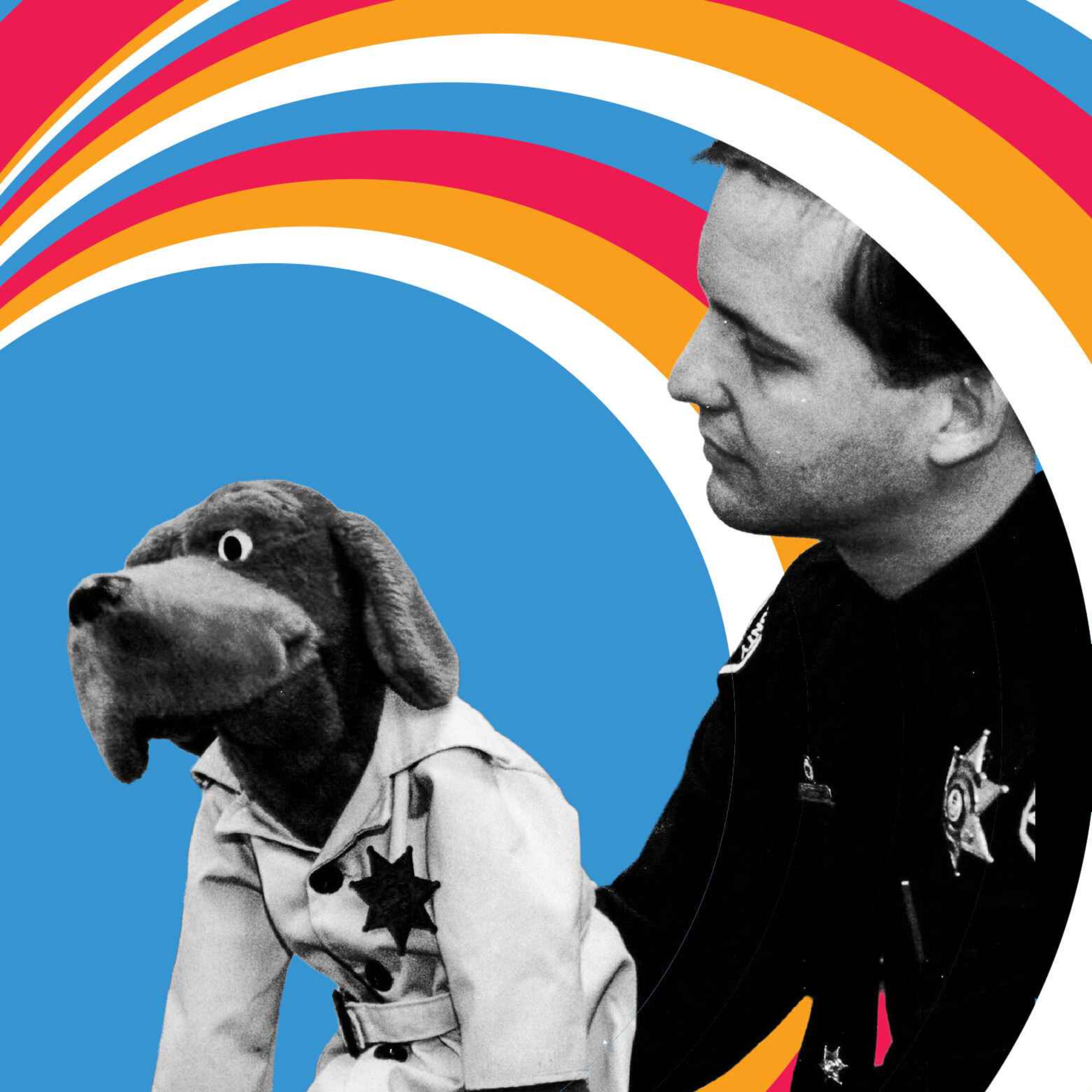
Overview of McGruff Takes a Bite Out of Crime, Part 2 (Encore)
This episode of Decoder Ring follows the strange second life of McGruff the Crime Dog’s anti-drug music and educational puppet program. What began in the 1980s as earnest, state-backed “just say no” messaging eventually became a source of nostalgia, comedy, and even genuine artistic inspiration. The episode explores how a corny public-service campaign turned into a cult favorite, how it reflected the war on drugs era, and why messages that seem ineffective on the surface can still leave a lasting cultural imprint.
The McGruff Album and Puppet Program
How the project came together
- McGruff the Crime Dog, originally created for crime-prevention PSAs, was pulled into anti-drug messaging during the Reagan-era war on drugs.
- Puppet Productions, a Southern California company that had previously made religious puppet musicals, licensed McGruff and built an ambitious educational package around him.
- The result was McGruff’s Drug Prevention and Child Protection Program, which included:
- a two-foot McGruff hand puppet,
- color-coded cassette tapes,
- a teacher’s guide,
- songs, skits, and grade-specific lessons.
The music
- The album was intentionally written to sound contemporary, borrowing from the radio sounds of the 1980s:
- synths,
- breakbeats,
- sax-heavy arrangements,
- children’s choirs,
- and other pop styles of the era.
- The songs were catchy and often musically impressive, even if their messages were blunt and heavily anti-drug.
- One recurring tension in the episode is that the music could be genuinely good while the messaging remained awkwardly moralizing.
Did It Work?
What the creators observed
- The program was distributed widely through schools and local fundraising groups like PTAs and Rotary Clubs.
- By some estimates, around 100,000 McGruff puppets made it into classrooms.
- The creators received anecdotal praise from police and school officials, but there was little rigorous follow-up on whether kids actually changed behavior.
Broader PSA culture
- The episode places McGruff alongside other 1980s anti-drug and safety messaging, including:
- D.A.R.E.,
- “This is your brain on drugs,”
- and TV “very special episodes.”
- Many of these campaigns were goofy, overproduced, and often mocked, but they may still have contributed to a broader sense that drugs were dangerous and socially important to avoid.
- A key idea discussed is priming: even if kids laughed at the message, the repeated attention may have made the issue feel real and menacing.
The limits of the evidence
- There was a notable decline in casual drug use among young people in the 1980s, but the episode emphasizes that this is correlation, not proof of causation.
- By the mid-1990s, the effect faded and anti-drug PSAs lost cultural and broadcast power.
McGruff’s Unpredictable Afterlife
From classroom artifact to cult object
- Decades later, the Smart Kids album resurfaced online and in pop-culture corners:
- comedy podcasts,
- Reddit threads,
- TikTok remixes,
- and renewed interest from collectors and nostalgia hunters.
- The episode argues that McGruff survived partly because the monoculture fragmented: old mass-media artifacts became newly valuable because so many people remember them.
Sarah Hubbard’s story
- Sarah Hubbard discovered the album on a comedy podcast and played it on a road trip in 2020.
- She and her boyfriend, both musicians, found the songs absurd but musically compelling.
- The album became a shared joke, then a real touchstone, eventually making its way into their engagement and wedding memories.
- Her story shows how an artifact can move from ironic appreciation to genuine affection.
Straight-Edge Punk and Daniel Danger’s Reinterpretation
A different kind of anti-drug message
- Another major thread follows Daniel Danger, who rediscovered the album as an adult and realized the songs felt like hardcore straight-edge punk in the wrong genre.
- As a teen, Daniel had been involved in the straight-edge scene, which emphasized self-control, abstinence from drugs and alcohol, and rebellion through discipline.
- McGruff’s songs, with their sermonizing breaks and militant “just say no” tone, suddenly made sense to him as something adjacent to that scene.
The cover album
- Daniel recorded a full album of McGruff covers reimagined as early-’80s straight-edge hardcore songs.
- He treated the project seriously:
- real studio recording,
- real musicians,
- physical records,
- merch,
- and online releases.
- The covers became a small success in their own right and helped revive interest in the original McGruff material.
Main Takeaways
- McGruff was more than a mascot: he became a huge, coordinated educational and media project tied to broader anti-drug efforts.
- The campaign’s effectiveness is hard to measure: the episode suggests it likely worked less through direct persuasion than through repetition, atmosphere, and cultural saturation.
- Bad or cheesy messaging can still stick: even when kids mocked or ignored the ads, the ideas often lodged somewhere in memory.
- Nostalgia changed the meaning of the album: what was once earnest public-health material became a weirdly beloved artifact.
- Cultural afterlives are unpredictable: a dog in a trench coat, a school puppet, and an album of anti-drug songs ended up inspiring new art decades later.
Notable Insight
“The superficial message doesn’t work, but the deep one gets you.”
That idea captures the whole episode: McGruff may not have convinced children through logic or charm, but the campaign helped embed drugs as a serious, memorable, and socially charged issue in American culture.