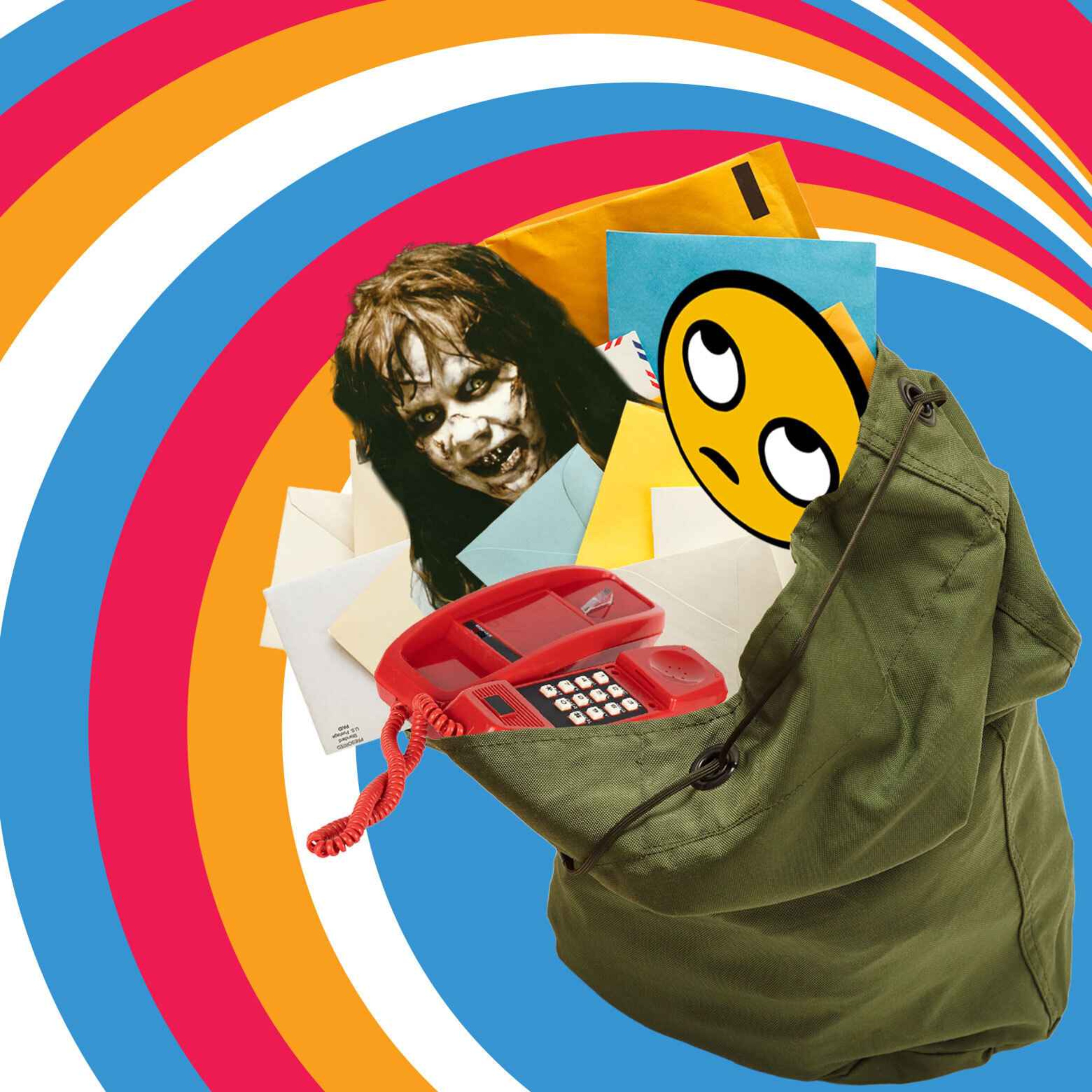
Overview of Decoder Ring Mailbag: Spooky Strings, Phone Menu Options, and Eye Rolls
In this mailbag episode of Decoder Ring, Willa Paskin and the team answer three listener questions about everyday cultural mysteries: the eerie string sound used in horror films, why customer service lines always warn that menu options may have changed, and how the eye roll became such a universally understood gesture. The episode blends pop culture history, linguistics, and media archaeology to show how seemingly minor details become deeply embedded in modern life.
Segment 1: The Horror-Movie String Sound
What listener Josh noticed
- Josh, a horror-movie convert, kept hearing a recurring creepy string-plucking sound in scary films and trailers.
- He described it as a fast, eerie “tinkle” or plucked-string effect that signals something ghostly or unsettling is about to happen.
Where the sound comes from
- The sound is traced back not to horror cinema itself, but to postwar avant-garde classical music, especially the work of Polish composer Krzysztof Penderecki.
- His 1961 piece Threnody for the Victims of Hiroshima is a key source of this sonic vocabulary.
- Penderecki used extended techniques on strings:
- bowing in unusual places
- tapping the instrument
- applying pressure without normal bow speed
- creating textures instead of melody or harmony
Why it sounds scary
- The effect is unsettling because it combines:
- familiar orchestral instruments
- distorted, unfamiliar playing methods
- fragmented traces of traditional musical structure
- The result is something that feels both recognizable and deeply wrong.
How it entered horror film language
- The sound became especially influential through:
- The Exorcist
- The Shining
- Stanley Kubrick in particular used Penderecki’s music aggressively and densely, helping make this soundscape a permanent part of horror scoring.
- The episode notes that this sound is now so established that it appears throughout modern horror franchises like Insidious and The Conjuring.
Segment 2: “Please Listen Carefully, as Menu Options Have Changed”
What listener Nick wondered
- Nick questioned why so many companies say their phone menu options have changed when that often doesn’t seem true.
- The phrase feels generic, repetitive, and strangely insistent.
What the investigation found
- Automated phone systems evolved over decades:
- early recorded phone messages in the 1950s
- touchtone phones in the 1960s
- 1-800 numbers and call-routing systems in the 1970s and 1980s
- widespread customer-service menus by the 1990s
- By the late 1990s, the phrase was already being mocked in newspapers and cartoons.
Why companies use the phrase
- Companies and voice-menu producers often include the line out of habit, not necessity.
- According to a phone-system recording company executive:
- the phrase is often pointless
- it’s a baked-in cliché
- clients sometimes ask for it because “everyone else” uses it
- In some industries, like airlines and hotels, menu changes can happen more often due to disruptions, but most businesses don’t really need the warning.
Main conclusion
- The phrase persists because of copycat behavior and corporate scripting inertia, not because customers actually need the warning.
- The episode suggests this kind of language may fade as AI-driven systems replace older phone-tree scripts.
Segment 3: The Eye Roll
What listener Jade wanted to know
- Jade asked how the eye roll became such a sharp and instantly readable gesture.
- The episode treats the eye roll as both funny and socially powerful.
What linguist Rebecca Clift discovered
- Rebecca Clift, a linguist specializing in embodiment and gesture, began studying eye rolls after spotting one during a BBC broadcast of a solemn royal reburial ceremony.
- She found eye rolls in:
- historical film clips
- TV interviews
- political moments
- viral video clips
What the eye roll originally meant
- Historically, “rolling the eyes” did not primarily mean sarcasm or annoyance.
- In older literature, it often signaled:
- fear
- lust
- grief
- intense emotion
- Examples appeared in works by Virgil, Milton, and Dickens, where the gesture expressed inner emotional states rather than social protest.
When the modern meaning emerged
- The modern eye roll as a reactive gesture of contempt, annoyance, or protest appears to have surged in the 1980s.
- Newspapers at the time sometimes had to explain it to readers, suggesting it was still new and not yet universally recognized.
- One possible early example of the more modern usage appears in Zora Neale Hurston’s Their Eyes Were Watching God.
Why it works so well
- The eye roll is:
- brief
- nonverbal
- highly readable
- socially “off the record”
- It communicates dissatisfaction without fully interrupting the conversation.
- Rebecca suggests its power lies in how quickly and silently it can signal disapproval to others in the room or audience.
Main Takeaways
- Horror music’s signature creepy string sound has roots in avant-garde classical experimentation, especially Penderecki, not just in Hollywood horror.
- Customer service menu warnings are mostly ritualized corporate copy, not meaningful information.
- The modern eye roll is a relatively recent social gesture, even though eye movement itself has been expressive in literature for centuries.
- The episode’s bigger theme is that everyday culture often hides complex histories beneath things we barely notice.
Notable Episode Features
Tone and format
- This is a classic Decoder Ring mailbag installment: listener questions drive the investigation.
- The episode mixes humor, curiosity, and archival research.
Recurring idea
- Ordinary experiences can have unexpected origins:
- a scary sound in a movie
- a pointless phone warning
- a tiny facial expression
Closing Note
The episode ends by inviting listeners to send more cultural mysteries to Decoder Ring and to call the show’s new hotline, reinforcing the podcast’s ongoing mission: decoding the strange habits, sounds, and gestures woven into everyday life.