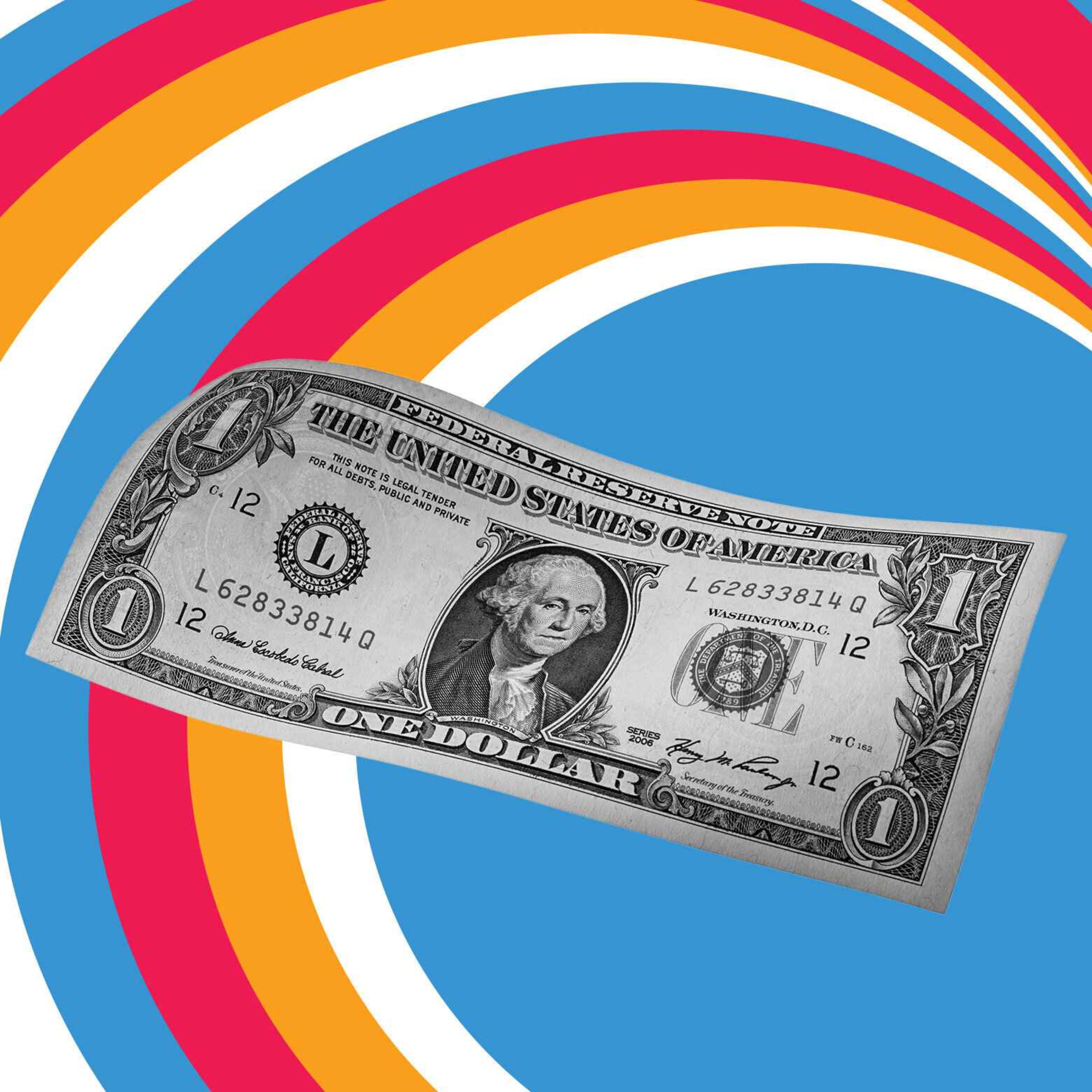
Overview of How to Make Dollars Make Sense
This Decoder Ring episode (host Willa Paskin) interviews finance reporter and author Brendan Greeley about two deceptively simple questions: Why is our money called the dollar? And where do dollars actually come from? The episode traces the dollar’s origins from a 16th‑century Bohemian silver coin through the Spanish piece‑of‑eight to colonial North America, and then explains how most modern money is created—not by the mint or even primarily by the central bank, but by commercial banks.
Main takeaways
- The name “dollar” predates the United States: it comes from a Bohemian silver coin (Jakobstaller) minted in the early 1500s.
- The dollar became globally dominant by accident—because a consistently made, high‑quality coin was widely trusted and imitated.
- Spain’s massive New World silver production turned its “piece of eight” (reales de ocho) into a global dollar analogue that circulated everywhere, including British North America.
- The United States adopted the dollar from existing global usage; American independence was not the origin of the name or the idea.
- Most money in modern economies is created endogenously by commercial banks when they issue loans (digital credit), not by printing physical cash or solely by the central bank.
- The Bank of England and other authorities recognize that the bulk of money is created by banks (often cited figure: ~97%).
- Because banks “create” money through lending, they hold enormous power—and that creates the need for effective regulation and public understanding.
The history of the dollar (concise timeline)
- 1510s–1520s, Jakomstall (Bohemia): Large, consistent, high‑quality silver coins called Jakobstallers were minted to manage mine revenues. Their consistency made them desirable beyond local use.
- Mid‑1500s: Jakobstallers spread across northern Europe and beyond; name shortened in languages to variants of “thaler/taler,” which in English became “dollar.”
- 1540s onward, Spanish Empire: Vast silver mines in the Americas (e.g., Potosí in Bolivia, Zacatecas in Mexico) massively increased silver supply. Spain minted the real and the “piece of eight” (8 reales), which functioned as a dollar equivalent in global trade.
- 17th–18th centuries: Spanish silver dollars circulated widely—including in the American colonies—because British coinage was scarce or not enforced there.
- Post‑Revolutionary America: Founders (Hamilton, Jefferson) based U.S. currency on the already‑ubiquitous “dollar.” The U.S. adopted the name and unit from the preexisting international dollar system.
How modern money is created
Common textbook story (fractional‑reserve banking)
- Econ 101: Depositors put money in banks; banks hold a fraction in reserve and lend out the rest; central bank supplies reserves. Lending multiplies deposits via a reserve multiplier, producing more money in the system.
- This model emphasizes reserves and central‑bank control as the primary mechanism.
The more accurate reality (endogenous money)
- In practice, commercial banks create money when they grant loans: a loan creates a deposit (digital balance) that didn’t exist before.
- Example: Bank approves a $12,000 loan for a customer and credits their account. That deposit is then used in transactions—new money has been created.
- Central banks and reserves are important for liquidity, interest‑rate control, and stability, but they are not the primary origin of most day‑to‑day money.
- Authorities (including the Bank of England) have described modern money as mostly created by banks—sometimes called “fountain‑pen money” (created by entries on ledgers).
Implications and recommendations
- Banks are powerful: because they create deposits via lending, their decisions shape money supply and economic activity. This power requires clear regulation and oversight to prevent systemic risk.
- Public understanding matters: seeing money as “just a social convention” or “magic” obscures the legal, contractual, and institutional mechanisms that give it value (loans, promises to pay, enforcement).
- Policy and debates about money and monetary policy should center on banks’ role and incentives, not only on central bank actions or cash printing.
- If you want to learn more: Brendan Greeley’s forthcoming book The Almighty Dollar (500 Years of the World’s Most Powerful Money) is recommended.
Notable quotes & phrases from the episode
- “The dollar pre‑existed us. We didn’t create it. We just hopped on the dollar train.”
- “Fountain‑pen money” — the idea that most money is created by ledger entries when banks make loans.
- “I weirded the dollar for myself” — Greeley describing how researching the topic changed his daily perception of money.
Topics covered
- Monetary history (Jakobstaller → thaler/dollar → piece of eight)
- Spanish colonial silver and global trade (Potosí, Manila trade routes)
- Colonial American currency practices and shortage of British coinage
- Theoretical models of money creation: fractional reserve vs endogenous money
- Role and power of commercial banks; role of the Federal Reserve
- Regulatory and democratic implications of bank‑created money
Resources & next steps
- Listen to the full episode of Decoder Ring for fuller explanations and examples.
- Read Brendan Greeley, The Almighty Dollar: 500 Years of the World’s Most Powerful Money (recommended in the episode).
- For readers curious about money creation: look for materials on endogenous money theory and central bank explanations (Bank of England publications are often clear and accessible).
If you want a very short answer:
- Why “dollar”? From the Bohemian Jakobstaller → “thaler” → English “dollar,” later reinforced by the Spanish piece‑of‑eight’s global dominance.
- Where do dollars come from? Mostly from commercial banks creating deposits when they make loans; the central bank supports and regulates the system but doesn’t directly originate most everyday money.