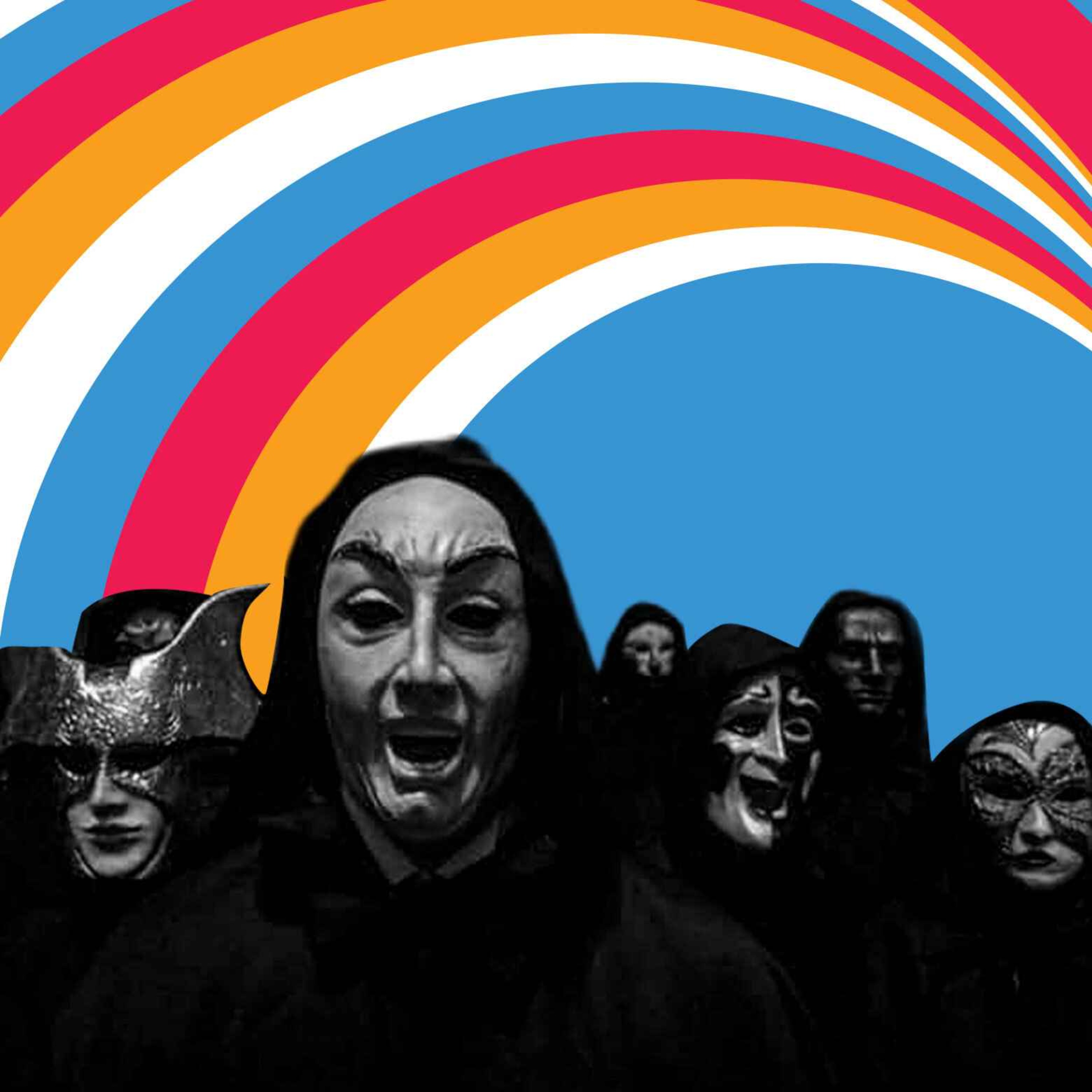
Overview of Was "Eyes Wide Shut" a Warning?
This Decoder Ring episode (Slate Podcasts) follows Lane Brown — a longtime fan of Stanley Kubrick’s Eyes Wide Shut — as he investigates an internet-fueled conspiracy: that Kubrick’s final film was a deliberate warning about an elite sex-trafficking cabal (and that Kubrick was murdered and the film tampered with to hide the truth). Brown interviews people who worked on the movie and traces how cultural events (notably Jeffrey Epstein revelations), Kubrick fandom, and pattern-seeking on the internet turned a complex, ambiguous film into a supposed “treasure map” revealing real crimes.
Key points and main takeaways
- The conspiracy: Some online communities claim Eyes Wide Shut was Kubrick’s exposé of a real elite trafficking network; that he was killed days after screening the film; and that the released movie was edited to remove explicit proof.
- Why it spread: Theory resurfaced and gained traction after Epstein’s crimes became public, because the film’s story (masked elite orgies, secrecy, coercion) resonated with real-world revelations. Kubrick’s reputation for obsessive detail and for embedding meanings in films (e.g., The Shining) made the film a natural target for intensive decoding.
- What Brown found by reporting:
- The movie was based closely on Arthur Schnitzler’s 1926 novella Dream Story — long predating Epstein or modern scandals.
- Kubrick spent decades developing the film; production included an extremely long shoot (about 400 days) and extended editing.
- Kubrick died days after screening a cut, but evidence points to natural illness and stress rather than foul play.
- Numerous collaborators (co-writer Frederick Raphael, editor/projectionist Nigel Galt, Kubrick’s assistant/archivist, producer/brother-in-law, the child actress who played Helena) uniformly rejected the murder/tampering story.
- There was no large deleted “smoking-gun” footage; in fact, the team resisted trimming the film after Kubrick’s death and used CGI to obscure nudity to avoid cutting frames.
- Many allegedly incriminating details (e.g., the toy-store moment, costume-shop subplot) are either accidental, faithful to source material, or misread coincidences.
- Conclusion: The film’s ambiguity and Kubrick’s mythic directorial persona invite over-interpretation. The conspiracy persists because it provides a tidy narrative — someone warned us — that’s emotionally easier to accept than the messy reality that many people knew things and did not act.
Topics discussed
- Background on Stanley Kubrick: auteur reputation, perfectionism, famous films (2001, The Shining, etc.).
- Production history of Eyes Wide Shut: decades-long development, length of shoot (approx. 400 days), intensive editing period, Kubrick’s secrecy and avoidance of travel.
- The film itself: plot summary (Bill and Alice Harford; Alice’s confession; Bill’s nocturnal wanderings; masked ritual/elite orgy; the toy-store ending), tone (meditative, not pornographic), and public reception in 1999.
- The conspiracy theory elements:
- Alleged links to Freemasons, Bohemian Grove, Rothschild estate (Mentmore Towers), Satanism, and Jeffrey Epstein.
- Claims about final-scene kidnapping of Helena and a 23-minute excision of revealing footage.
- Stories of Kubrick’s death being suspiciously timed after screenings.
- Cultural context fueling the theory: “nocturnal ritual fantasy” as a recurring trope, Pizzagate, QAnon, and Epstein revelations.
- The process and findings of investigative reporting: interviews with primary collaborators, checking screening logs, first‑hand testimony from the child actor, and debunking secondhand anecdotes (e.g., the Joe Rogan/Roger Avery anecdote).
How Lane Brown investigated (method in brief)
- Read the online claims and mapped their specific allegations (locations, cut footage, visual clues).
- Contacted and interviewed key people involved with Eyes Wide Shut: editor/projectionist, Kubrick’s assistant/archivist, co-writer, producer, the child actor, and others.
- Checked screening records and timelines to confirm who saw which cut and where Kubrick actually was.
- Compared film elements to the original Schnitzler novella to test originality of alleged clues.
- Traced provenance of secondhand stories (e.g., Roger Avery’s tale) and found them to be unreliable.
Notable quotes and insights
- From the film (used in discussion): “Those were not just ordinary people there. If I told you their names… I don’t think you’d sleep so well.”
- On the film’s emotional core: “The important thing is we’re awake now.” (underscores Kubrick’s focus on marriage and consciousness rather than exposé)
- Willa’s framing: Kubrick’s movies reward obsessive reading — but that can produce conspiracy-minded interpretations that force the work into a single, reductive meaning.
- Key insight: powerful artists are often attributed near-omniscience; that same tendency fuels conspiratorial readings that demand one hidden truth rather than accepting multivalence.
Why the conspiracy is appealing (psychological and cultural factors)
- The Epstein revelations made the film’s subject matter feel newly “predictive.”
- Kubrick’s mystique and The Shining–style decoding culture prime audiences to find hidden messages.
- Conspiracy narratives offer closure and a moral hero (someone exposed the truth) compared to the frustrating reality of institutional complicity and silence.
- Social media facilitates rapid spread and reinforcement of pattern-seeking interpretations.
Recommended next steps / resources
- Read Lane Brown’s New York Magazine piece (linked on the episode/show page) for the full investigation and source interviews.
- Watch Eyes Wide Shut with the novella in mind (Arthur Schnitzler’s Dream Story) to see how much is adaptation versus invention.
- When encountering bold claims about art or history online: check primary sources, production records, and firsthand testimony before accepting grand narratives.
Final note
Decoder Ring uses this case to show how a genuinely layered work of art can generate both meaningful reinterpretation over time and sensational conspiracy. The episode distinguishes between legitimate reappraisal (how a film’s themes can resonate differently in new eras) and unfounded claims that rely on coincidence, selective reading, and secondhand rumor.