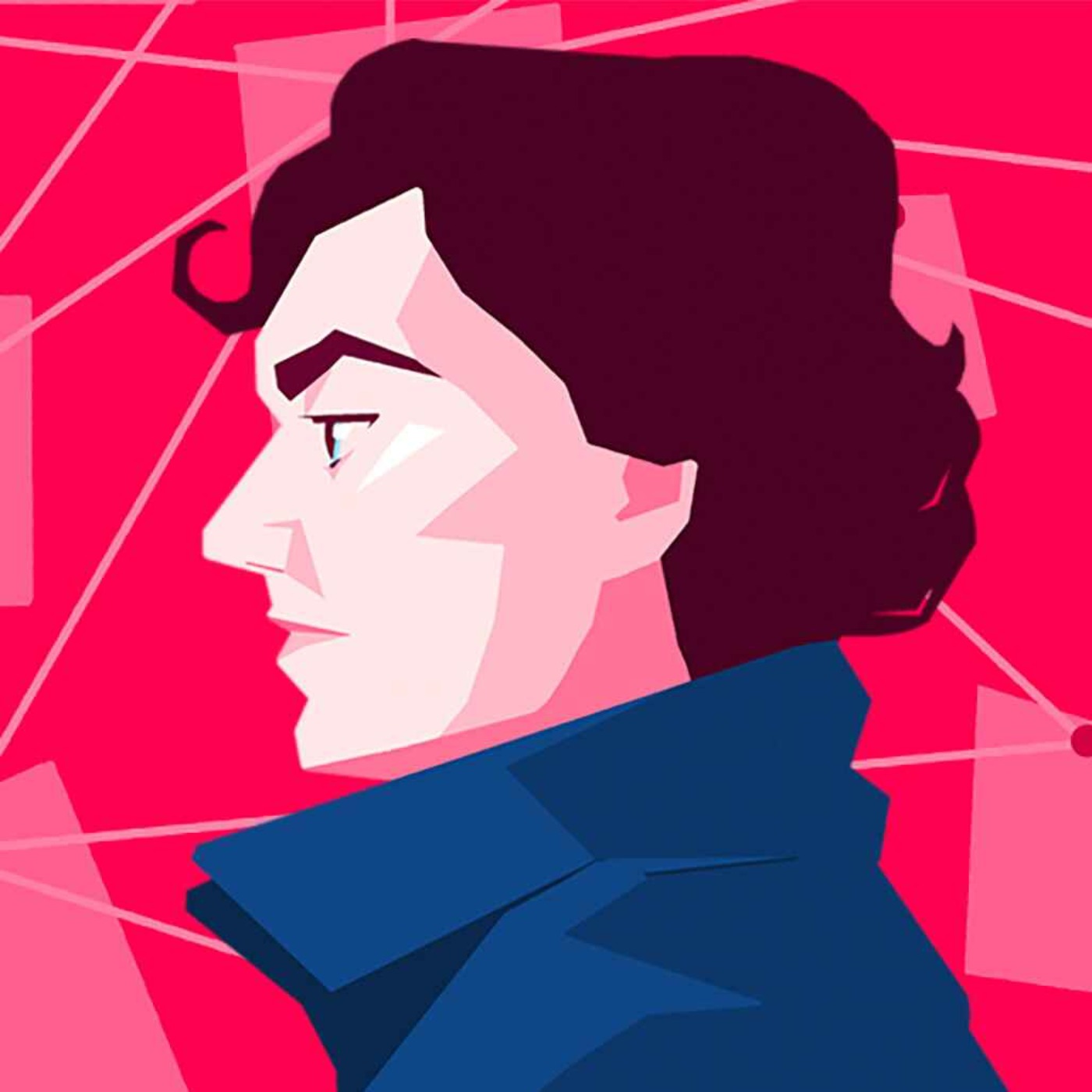
Overview of The Johnlock Conspiracy (Encore)
This Encore episode of Decoder Ring (originally published 2018) examines the Johnlock Conspiracy (TJLC) — a fan-built theory that Sherlock Holmes and Dr. John Watson (as portrayed in the BBC series Sherlock) were secretly in a romantic relationship and that the show’s creators were actively hiding an eventual canonical coming‑out. Host Willa Paskin traces how an intensely online fandom turned shipping and close textual reading into a conspiratorial movement that brought joy to many fans but also unleashed harassment, doxxing, and real-world harm. The episode places TJLC in historical context (Sherlock fandom’s long history), details key events (theory’s rise, a fraught convention panel, Season 4 fallout), and draws broader lessons about fandom, queer representation, and conspiracy-style thinking online.
Key points and main takeaways
- TJLC (The Johnlock Conspiracy) claimed BBC Sherlock was deliberately concealing a coming canonical romance between Sherlock (Benedict Cumberbatch) and John Watson (Martin Freeman); believers treated denials by creators as deliberate misdirection.
- The theory grew from close readings, queer subtext in the series, and a long Sherlockian tradition of treating fiction as fact (the “Great Game”).
- A relatively small but highly vocal subset of fans became absolutist and sometimes abusive: heated online fights, harassment, threats, and doxxing followed. The 2015 Atlanta 221B-Con panel conflict was a flashpoint.
- Season 4 (2017) did not confirm Johnlock; many believers were devastated, some left fandoms, others doubled down with unfalsifiable addenda (e.g., “this season was fake/imagined”).
- TJLC illustrates how fandom can do important emotional and identity work (community, queer awakening), but also how internet groupthink and absolute certainty can mirror political conspiracy behavior.
- Historical context matters: Sherlock fans pioneered many modern fandom practices (pastiche, fanfic, “canon” vs “fanon”), so extreme fan behaviors have deeper roots.
Background and definitions
- Shipping: rooting for two characters to become romantically involved.
- Slash: fanfiction or ships pairing male characters romantically/sexually (term popularized by Kirk/Spock fandom).
- Canon vs fanon: “Canon” = events in the official text; “fanon” = community‑accepted, non‑canonical interpretations.
- The Great Game: Sherlockian practice of treating Holmes and Watson as historical figures and resolving textual inconsistencies through playful scholarship.
- Queerbaiting: deliberately hinting at queer relationships/subtext in media to attract an LGBTQ+ audience without actually delivering representation.
Timeline — how TJLC unfolded
- 2010: BBC Sherlock premieres; show contains strong subtext that many fans read as queer.
- 2011–2016: explosive growth in Sherlock fanworks (AO3 totals in the tens of thousands); Johnlock is a dominant ship.
- March 2014: a long, granular theory is posted online arguing the show encodes a future canonical Johnlock; TJLC term and community momentum grow on Tumblr and YouTube (e.g., “TJLC Explained” series).
- 2015: 221B-Con Atlanta panel (“The Gender Politics of Fandom”) becomes contentious; a panelist who disclosed abuse was filmed and the clip uploaded; ensuing online fallout included doxxing threats and bans.
- 2017: Season 4 airs and does not make Johnlock canonical; many fans feel betrayed; harassment of cast and creators escalates; some fans leave the fandom.
- Aftermath: continued hardline believers, unfalsifiable addenda, and reflection on the movement’s harms and meaning.
Notable consequences and impacts
- Real-world harm: targeted threats, doxxing of critics and moderators, a death threat reported to actress Amanda Abbington, and at least one fan banned from a convention.
- Emotional fallout: some fans reported depressive episodes when the theory failed to materialize; others experienced personal identity shifts influenced by the show.
- Creator and actor responses: Mark Gatiss and Stephen Moffat publicly denied canonical romance; Martin Freeman later said fans had dampened his enthusiasm for continuing the series.
- Institutional changes: at least one convention revised its videotaping policies after the controversy.
Broader themes and context
- Historical precedent: Sherlock fandom has long blurred the boundary between fiction and reality (Conan Doyle’s era saw mass belief in Holmes as a “real” person and an early “save the show” movement after Conan Doyle “killed” Holmes).
- Fandom as meaning-making: shipping and fanfic can provide community and identity (including queer discovery) but can also harden into dogma.
- Parallels to conspiracy thinking: TJLC’s unfalsifiability and insularity mirror political/conspiratorial group dynamics — certainty that creators, institutions, or the media are lying and that only believers have access to truth.
- Relevance today: the episode connects TJLC to contemporary fandom phenomena (e.g., loudly desired queer adaptations like Heated Rivalry, and unsatisfied fan reactions to shows like Stranger Things).
Notable quotes and insights
- Central question Willa frames: “Who gets to decide if Sherlock Holmes is gay?”
- Creator denial: Mark Gatiss: “We’ve explicitly said that this is not going to happen.” (used by TJLCers as evidence of deception)
- Actor reaction: Martin Freeman said fans’ expectations had made continuing the show less enjoyable: “It’s not a thing to be enjoyed. It’s a thing of, you better fucking do this…”
- Historical resonance: Conan Doyle’s fans famously reacted as if Holmes were a real person, giving rise to pastiche and the Great Game.
Practical recommendations (for fans, creators, and organizers)
- For fans: recognize the line between passionate shipping and harassment; avoid doxxing, threats, and targeting of individuals; respect survivors and personal boundaries.
- For creators: be aware that suggestive subtext can be read as promise; clearer communication about intent can reduce harmful speculation (while still respecting creative ambiguity).
- For conventions and communities: adopt clear anti-harassment and recording policies; moderate disputes proactively to protect vulnerable participants.
- For researchers/journalists: treat fandom as both culturally meaningful and politically instructive — it can reveal how communities construct meaning, identity, and collective narratives.
Why this episode matters
The Johnlock saga is a compact case study of what modern fandom can do: generate joy, identity formation, creativity, and community — but also create cruelty, conspiracy thinking, and real harm. It highlights long-standing practices in Sherlock fandom, shows how queer representation (or its absence) fuels passionate responses, and warns about the social dynamics that can turn imaginative play into dogma. The episode is useful for anyone interested in fandom studies, online culture, queer media reception, or the sociology of conspiracy thinking.