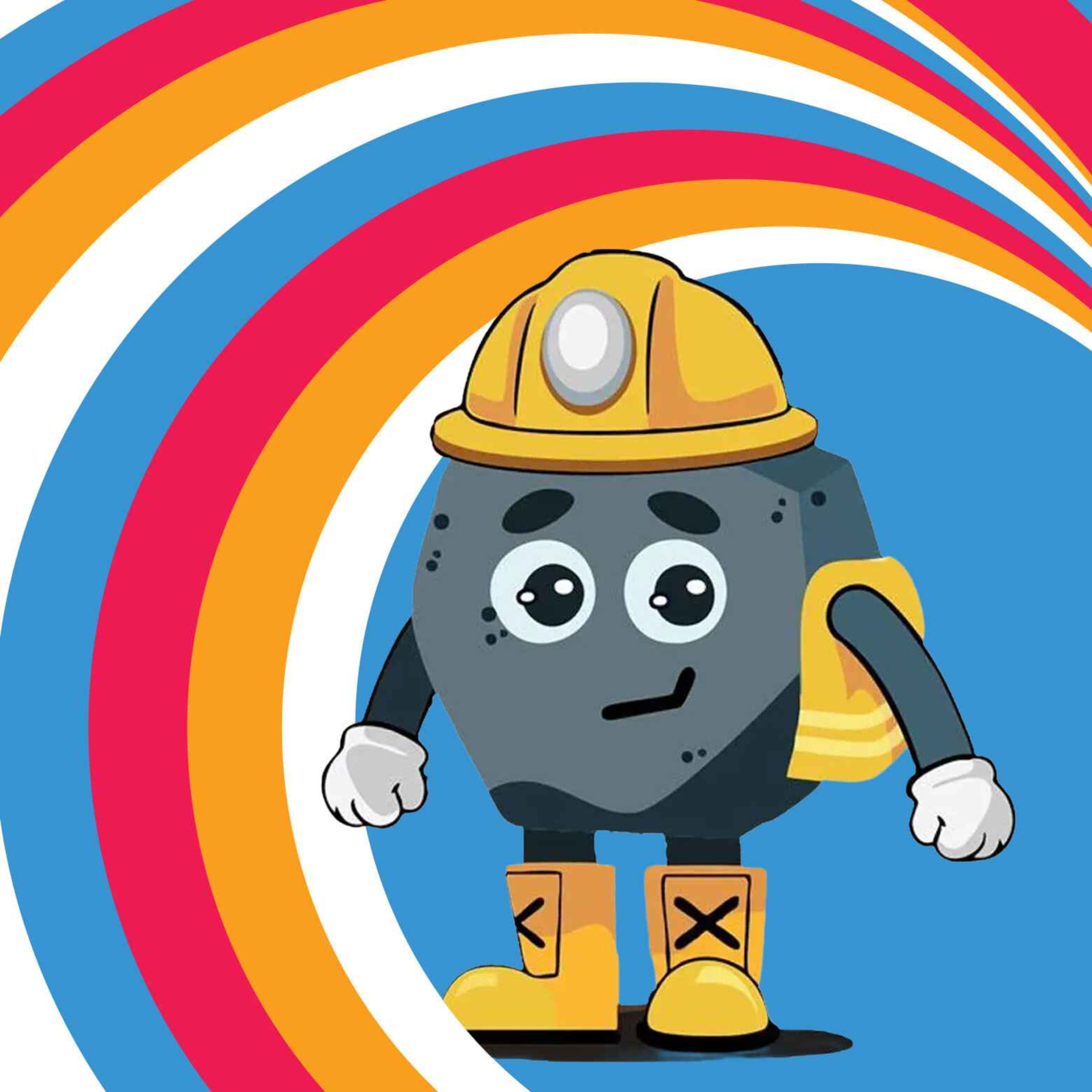
Overview of Making Coal Cute Again
This Decoder Ring episode (hosted by Willa Paskin for Slate Podcasts) unpacks the viral controversy around "Coley" — a cartoon lump-of-coal mascot tied to the U.S. Office of Surface Mining Reclamation and Enforcement (OSMRE). The episode traces Coley's internal origins as an office mascot, how and why OSMRE tried to use him to explain its work, and how a version of Coley posted on Secretary of the Interior Doug Burgum’s platform reframed the character as pro‑coal propaganda — sparking national ridicule and debate.
Key points and main takeaways
- Coley began as an informal, internal mascot at OSMRE (circa 2018) meant to humanize and explain agency work — chiefly regulation of active coal mines and reclamation of abandoned mine lands.
- OSMRE is legally prohibited by the Surface Mining Control and Reclamation Act (SMCRA) from promoting coal mining; its mission emphasizes oversight, safety, and cleanup.
- Leadership pushed to make Coley public to explain OSMRE’s often unseen work, especially after new infrastructure funding ($11B over 15 years) made outreach timely.
- A version of Coley posted on Interior Secretary Doug Burgum’s social account — featuring Burgum hugging Coley with a hard hat labeled “mine, baby, mine” and a caption about “beautiful clean coal” — reframed Coley in a pro‑coal, administration-friendly light.
- OSMRE says the Secretary’s office altered the image (and may have used AI) and that the public rollout on the Secretary’s platform was requested to increase reach.
- Public reaction was overwhelmingly negative: late-night comedians, commentators, and climate scholars described the image as propaganda, likening it to past marketing that softened harmful products (eg. Joe Camel).
- The controversy highlights tension between an agency trying to explain its regulatory and reclamation role and a broader administration strategy that seeks to re‑brand and revive coal.
What OSMRE actually does
- Oversees active coal mining compliance with federal law.
- Funds and manages reclamation of abandoned mine lands (AML) — addressing hazards like acid mine drainage, unstable land, and environmental damage.
- Has distributed billions for reclamation projects that produce recreational spaces, restored waterways, community infrastructure, and conservation efforts (e.g., bat habitat, memorial site restoration).
- Historically has transferred funds to miners’ health/retirement and invested in community redevelopment.
How Coley was created and rolled out
- Origin: An in‑office joke started by staff (Sarah Eckert) who printed a coal clipart with eyeballs and taped it to the wall; it spread informally among employees.
- Evolution: Over time Coley gained features (hands, hard hat) and internal use — motivational signs, internal communications, and reclamation-themed slogans.
- Public push: With infrastructure funding and a desire to explain OSMRE’s work, communications leadership proposed making Coley the agency’s approachable public spokesperson (Schoolhouse Rock–style).
- Design/launch: OSMRE produced polished assets and sample audio for Coley and requested the Secretary’s platform share the mascot for broader reach. The Department of the Interior rewrote/altered the secretary-facing image that later went viral.
Public rollout, modifications, and reactions
- Secretary Doug Burgum’s post featured a stylized Coley and a cartoon Burgum; the post invoked “beautiful clean coal” messaging and included the “mine, baby, mine” hard hat — elements not present in OSMRE’s original internal materials.
- The Secretary’s post went viral and was widely mocked on social media and TV (Jimmy Kimmel, Stephen Colbert), leading to criticism that the mascot served pro‑coal propaganda.
- Critics (e.g., Leah Stokes) argued making coal “cute” is inappropriate given coal’s public health and climate harms and compared it to harmful past marketing (Joe Camel).
- OSMRE staff and spokespeople assert the mascot’s intent is educational: to explain reclamation and regulatory work in accessible terms.
Why this matters (implications)
- Messaging vs. mission: An agency tasked with cleanup and oversight can be perceived very differently depending on how its imagery is used and where it’s amplified.
- Political context: The rollout occurred under an administration prioritizing coal revival and employing internet‑style memes as political communication; staffing and regulatory cuts at agencies compound the optics.
- Public trust and clarity: Mascots can increase awareness, but if the public perceives them as partisan propaganda, they can undermine understanding of the agency’s role.
- Precedent: The episode raises questions about government social media strategy, use of mascots for contentious industries, and how edits/tweaks by higher offices can change public interpretation.
Notable quotes & moments
- Simone Randolph (OSMRE): “Under SMCRA ... we are not permitted to promote or advocate for coal mining.”
- Willa Paskin summarizing: “Coley may widely be seen as a mascot for coal mining. But that's not what he was made for.”
- Critics likening Coley to propaganda and to past marketing tactics that “cutified” harmful products (Joe Camel analogy).
- Jimmy Kimmel/late-night coverage amplified the ridicule, shifting the conversation from reclamation to political PR.
Short checklist / recommendations for listeners who want to follow up
- Read OSMRE’s “10 Things” page featuring Coley to see the agency’s stated mission and examples of reclamation projects.
- Watch for subsequent Coley content from OSMRE to judge whether the mascot clarifies agency work or continues to be framed politically.
- Consider the broader context: who amplifies a message (agency vs. secretary), how images are edited, and the administration’s policy priorities when evaluating government communications.
Conclusion
The Coley story is a compact case study in how internal culture, communications strategy, political context, and social media amplification can collide. What began as a lighthearted, internal mascot intended to humanize and explain reclamation work became, once repurposed and amplified on the secretary’s platform, a focal point for debate about coal policy, government messaging, and whether and how public agencies should use mascots for contentious topics. Whether Coley ultimately helps OSMRE build public understanding — or becomes an enduring symbol of pro‑coal spin — remains to be seen.