Overview of How Protein Muscled Its Way to the Top
This Decoder Ring episode (Slate Podcasts, host Willa Paskin) traces how “protein” became a cultural and commercial obsession — from 19th‑century chemistry to 21st‑century lattes and ice cream. Through interviews with Samantha King and Gavin Whedon (authors of the forthcoming book Protein: The Making of a Nutritional Superstar), the episode maps three major protein booms, shows how industrial waste repeatedly became the raw material for protein products, and argues that protein’s current ubiquity is part science, part marketing, and part cultural storytelling.
Key takeaways
- Protein has been a recurring nutritional superstar for nearly two centuries; the current craze is the latest peak in a cycle of booms and busts.
- Early scientific misunderstandings (e.g., Justus von Liebig’s 19th‑century experiments) helped link protein with strength and national vitality, and launched the first protein supplement (Liebig’s meat extract).
- A mid‑20th century “protein gap” narrative around global malnutrition (and colonial paternalism) led to large, often misguided, development programs; by the 1970s that view was widely discredited (Donald McLaren’s “The Great Protein Fiasco”).
- The modern protein industry owes a lot to whey — a cheese‑making byproduct that became profitable once drying and filtration technologies improved in the 1970s. Bodybuilding and later diet trends turned whey into mainstream protein powder.
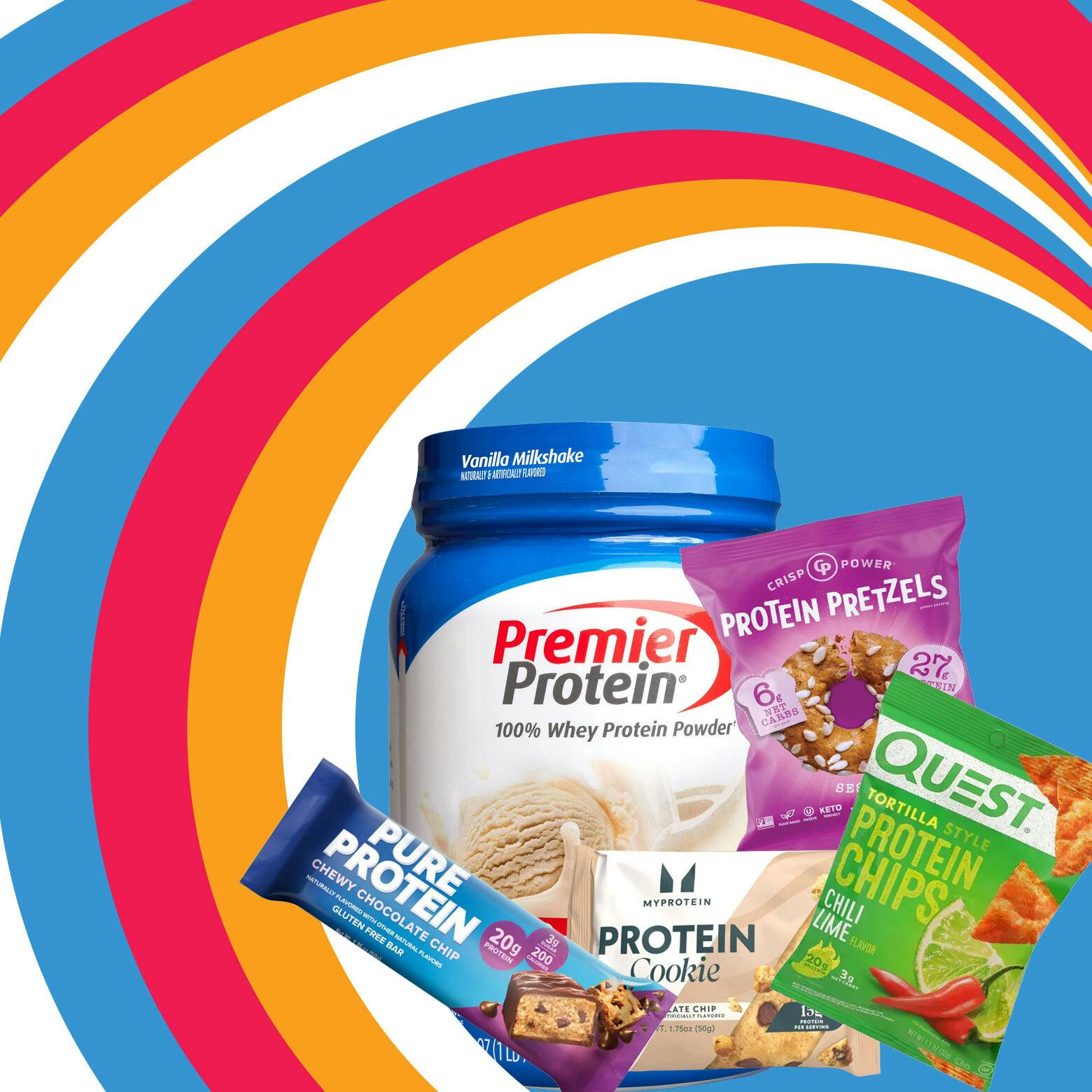
- Today protein is sold everywhere (soups, yogurt, ice cream, coffee, beers, crackers, pasta), driven by fitness culture, diet trends, and savvy marketing; the global supplement market is large ($21B cited) and consumer interest has surged.
- The episode urges a more holistic view: protein is essential, but often commodified and oversold; many people in food‑secure contexts already get enough protein for survival and basic health.
Timeline: three protein booms
1) Mid‑19th century — Liebig and the meat extract
- Justus von Liebig observed protein in muscle and concluded protein was central to muscle and vigor.
- He commercialized “Liebig’s Extract of Meat” (a concentrated beef extract) and promoted meat/protein as vital to industrial nations.
- The extract functioned as a proto‑supplement, more symbolic than protein‑rich.
2) Mid‑20th century — the protein gap and development programs
- Colonial and postwar health officials worried about protein deficiency (kwashiorkor in colonies) and promoted protein solutions.
- International efforts invested in synthetic/high‑protein products (dried milk, fish protein concentrate, single‑cell proteins, algae).
- Research later showed the real problem was often calorie deficiency, not protein per se; the “protein gap” idea collapsed in the 1970s.
3) Late 20th → 21st century — whey, bodybuilding, and mainstreaming
- Post‑WWII dairy overproduction produced massive whey waste; dumping caused pollution and public anger.
- Technological advances turned whey into edible, dried whey protein powder in the 1970s.
- Bodybuilding culture adopted whey; later low‑carb/high‑protein diet trends, fitness culture, and commercial marketing pushed protein into mainstream foods and beverages.
How protein became a commodity (mechanisms)
- Scientific authority + charismatic evangelists: Scientists and entrepreneurs (Liebig et al.) popularized protein as a nutrient that confers strength and vitality.
- Waste stream commercialization: Recurrent pattern where food industry waste (rotting carcasses, fish offal, whey, algae/sewage‑grown cultures) was reprocessed into “protein” products.
- Cultural and political narratives: National strength, colonial paternalism, and worries about workforce/children’s health shaped protein campaigns.
- Marketing + trend adoption: Niche adopters (bodybuilders) created demand that companies scaled; later, diet trends (e.g., Atkins → high‑protein diets) broadened demand.
- Product proliferation: Protein moved from supplements into a wide array of packaged and branded foods (protein‑fortified ice cream, lattes, yogurts, bars, pasta).
Critiques and consequences highlighted
- Scientific nuance lost: Protein became shorthand for many health promises (muscle, weight loss, skin, cognition, longevity) often beyond what evidence supports.
- Misplaced development focus: The protein gap narrative diverted attention and resources from broader socio‑economic causes of malnutrition.
- Environmental and industrial fallout: Dairy overproduction and whey dumping caused ecological harm before industrial valorization of whey.
- Commodification of necessities: Like hydration and sleep, protein is framed as a solvable, purchasable fix — a trend that benefits industry and simplifies complex nutritional needs.
Notable insights (paraphrased)
- If you have enough food, you generally have enough protein for survival — the argument for “more protein” is usually about optimization (muscle, aging, performance), not preventing deficiency.
- Protein has never been as stigmatized as carbs or fats; its cultural appeal endures across political and social divides.
- Repeatedly, innovations that convert waste into profitable protein have been central to new protein waves.
Practical implications / recommendations
- Be skeptical of dramatic protein claims on packaged foods — read labels for portion size and context rather than marketing copy.
- If food security isn’t a concern, focus first on balanced caloric intake and whole foods; many people already meet basic protein needs.
- For targeted goals (muscle recovery, aging), consult evidence‑based guidance on protein timing and amounts rather than relying solely on fortified products.
- Consider environmental tradeoffs of animal‑based protein and the industrial systems that create both products and waste streams.
Further reading & sources
- Samantha King and Gavin Whedon, Protein: The Making of a Nutritional Superstar (forthcoming; out March).
- Episode credits: host Willa Paskin; producers Max Friedman, Katie Shepard, Evan Chung; fact‑checking and edit team listed in episode.
If you want a quick takeaway: protein’s present ubiquity is a long‑running pattern of scientific promise, industrial innovation (often from waste), and powerful marketing — useful in many contexts, but frequently oversold.