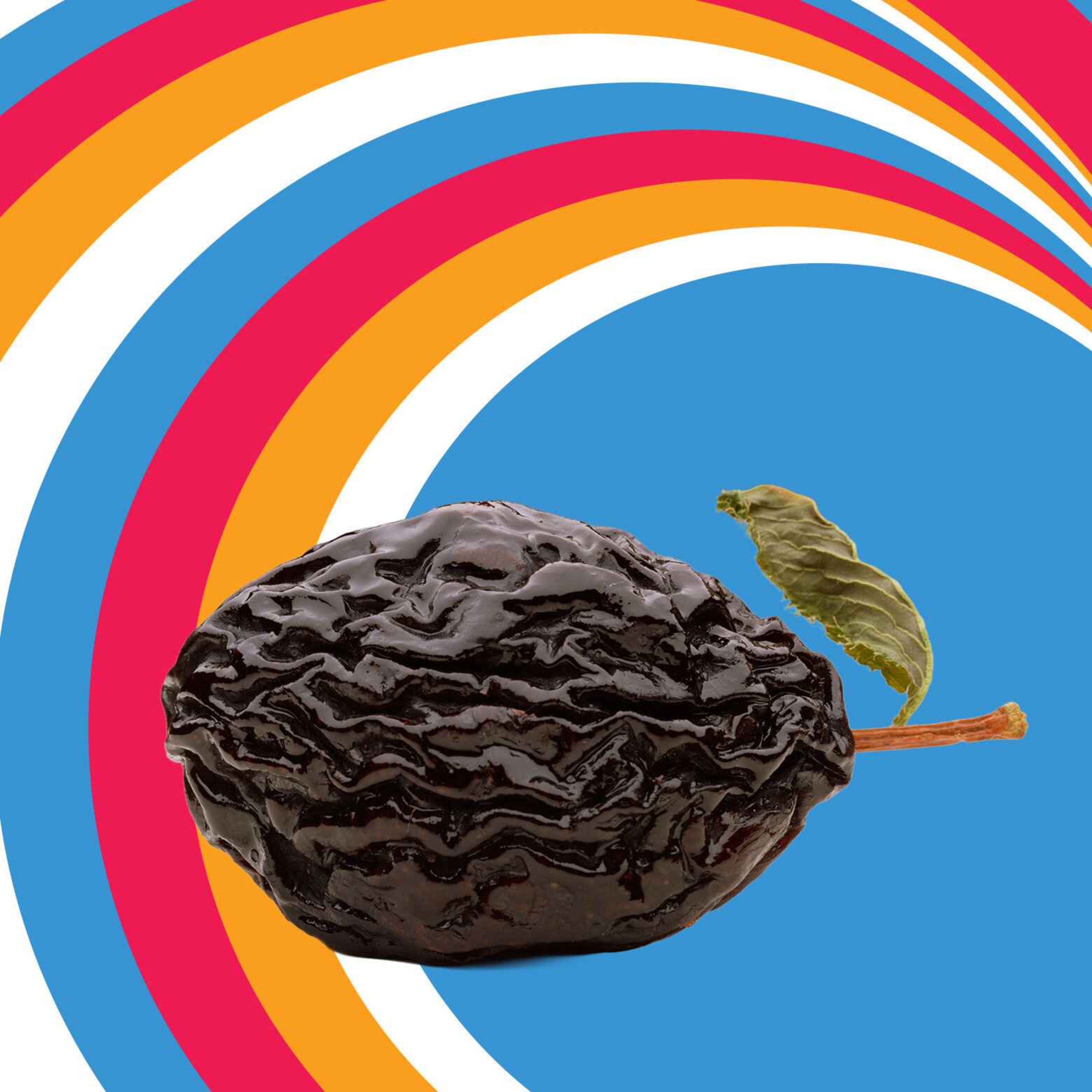
Overview of A Prune by Any Other Name
This Decoder Ring episode (host Willa Paskin) tells the 20+-year story of how the U.S. prune industry tried—and partially failed—to escape the fruit’s reputation as “the laxative fruit.” It covers prune history and biology, decades of marketing experiments (including prune burgers), a high‑profile legal and PR campaign to rename prunes “dried plums,” the FDA fight and political intervention that won approval, and the eventual return to the “prune” name—plus lessons about branding, stigma, and the limits of renaming.
Timeline / narrative (concise)
- Origins: Prunes are a special variety of plums (can be dried without fermenting). French variety introduced to California in 1856 by Louis Pellier. California remains the world leader (600+ growers, ~200 million lbs; ~$700M industry).
- Early marketing (1920s–1960s): Prunes initially sold as medicinal/laxative; later campaigns mixed earnest promotion of taste with self‑deprecating humor (Sunsweet ads by Stan Freberg, Ray Bradbury)—which normalized prune jokes.
- 1990s crisis: Industry doubled plantings anticipating fiber‑trend demand, but sales fell. Market skewed heavily toward seniors (70–80% of buyers); younger consumers were embarrassed to buy prunes.
- Radical ideas: The industry experimented widely (notably “prune puree” in school lunch hamburgers—taste tests were passable and the USDA bought prunes for schools) and ultimately pursued a rebrand.
- Dried plum campaign (late 1990s–2001): California Prune Board pushed to legally sell prunes as “dried plums.” FDA resisted; CA senators Feinstein and Boxer intervened, press coverage increased pressure. In Feb 2001 the FDA allowed the label change, requiring dual naming on packaging for two years. The board renamed itself the California Dried Plum Board.
- Aftermath: Short‑term lift in attention and sales (and a 2004 small crop helped tighten supply). Long term, the new name failed to cure the core problem—consumer fear of the laxative effect—so adoption stalled. By the late 2010s the board reverted to “California Prune Board” with a new “Prunes for Life” positioning focused on taste, health, and cooking.
Key facts & figures
- Biology: All prunes are plums, but not all plums are prunes. Prunes = specific plum type dried without fermenting.
- Sorbitol: Prunes contain high sorbitol—the sugar alcohol that draws water into the gut—explaining their laxative reputation. Example: dried apricots ≈ 6 g sorbitol/100 g; prunes ≈ double that (~12 g/100 g).
- Market: Historically 70–80% of U.S. prune buyers were seniors. The industry is centered in California (also produced in Chile, Argentina, South Africa).
- USDA / school lunch: At peak prune‑burger program USDA purchases reached ~10 million lbs.
Marketing & branding lessons (main takeaways)
- Name changes can create curiosity and short‑term attention, but they cannot erase a product’s functional realities. If consumers fear a physical effect (here, the laxative impact), renaming won’t eliminate that fear.
- Rebranding works best when it resolves a genuine informational barrier (e.g., unfamiliar foreign name) rather than masking a famous, intrinsic attribute.
- Two distinct audiences require different strategies: loyal existing consumers (who often value the functional benefit) vs. new younger consumers (who were primarily put off by stigma/fear). Trying to chase both simultaneously can backfire.
- Cultural context matters: prunes are treated as an everyday delicacy in parts of Europe and elsewhere; the U.S. cultural stigma is somewhat idiosyncratic.
- PR/political pressure can win regulatory permissions and headlines—but don’t mistake media buzz for sustained consumer habit change.
Notable anecdotes & moments
- Prune burgers: Prune puree was trialed as a binder/sweetener in school hamburgers to move surplus product—some kids accepted them and the USDA bought prunes for school programs.
- Advertising pivots: From medicinal messaging to self‑deprecating humor (Sunsweet’s ads boosted sales 400%) to family‑friendly earnest ads—each approach had tradeoffs.
- FDA fight: The rename to “dried plums” spurred months of regulatory pushback; Senators Feinstein and Boxer intervened, and press coverage pushed the FDA to permit the change in 2001 (dual labeling required for two years).
- International contrast: In France and elsewhere, prunes are appreciated culinarly (poached, stuffed, in desserts, with terroir), which helped some culinary figures (David Leibovitz) change from snickering to stanning prunes.
Notable quotes
- Willa Paskin: “A prune by any other name is still going to make you poop.”
- Richard (Rich) Peterson on prune stigma: “We associate prunes with old people taking shits.”
- Industry insight: Consumer research revealed the core problem was fear—people were genuinely afraid of the effect prunes might have on their bodies.
Practical recommendations (for brand/marketing teams)
- If a product’s obstacle is a functional fear, address the fear directly (education, dosage guidance, product variants), not just the name.
- Segment marketing: preserve loyalty for core users while designing culturally resonant ways to introduce product benefits to new cohorts (e.g., culinary use cases, recipes, dosage norms).
- Leverage culinary credibility and cultural stories (chefs, international uses) to reposition taste and versatility rather than hiding function.
- Use renaming only when it solves an informational problem (unknown/awkward foreign names) rather than masking a well‑known attribute.
Production & credits
- Podcast: Decoder Ring (Slate Podcasts)
- Host/Writer: Willa Paskin
- Producers/editing: Katie Shepard (producer), Evan Chung (editing), Max Friedman (producer)
- Other: Researched interviews with former California Prune Board execs, food writers (David Leibovitz), and industry spokespeople.
If you want a one‑sentence summary: the prune’s attempt to hide behind the gentler “dried plum” label bought headline space and a short bump, but it couldn’t rewrite biology or cultural stigma—so the industry ultimately returned to embracing the prune and its complicated appeal.