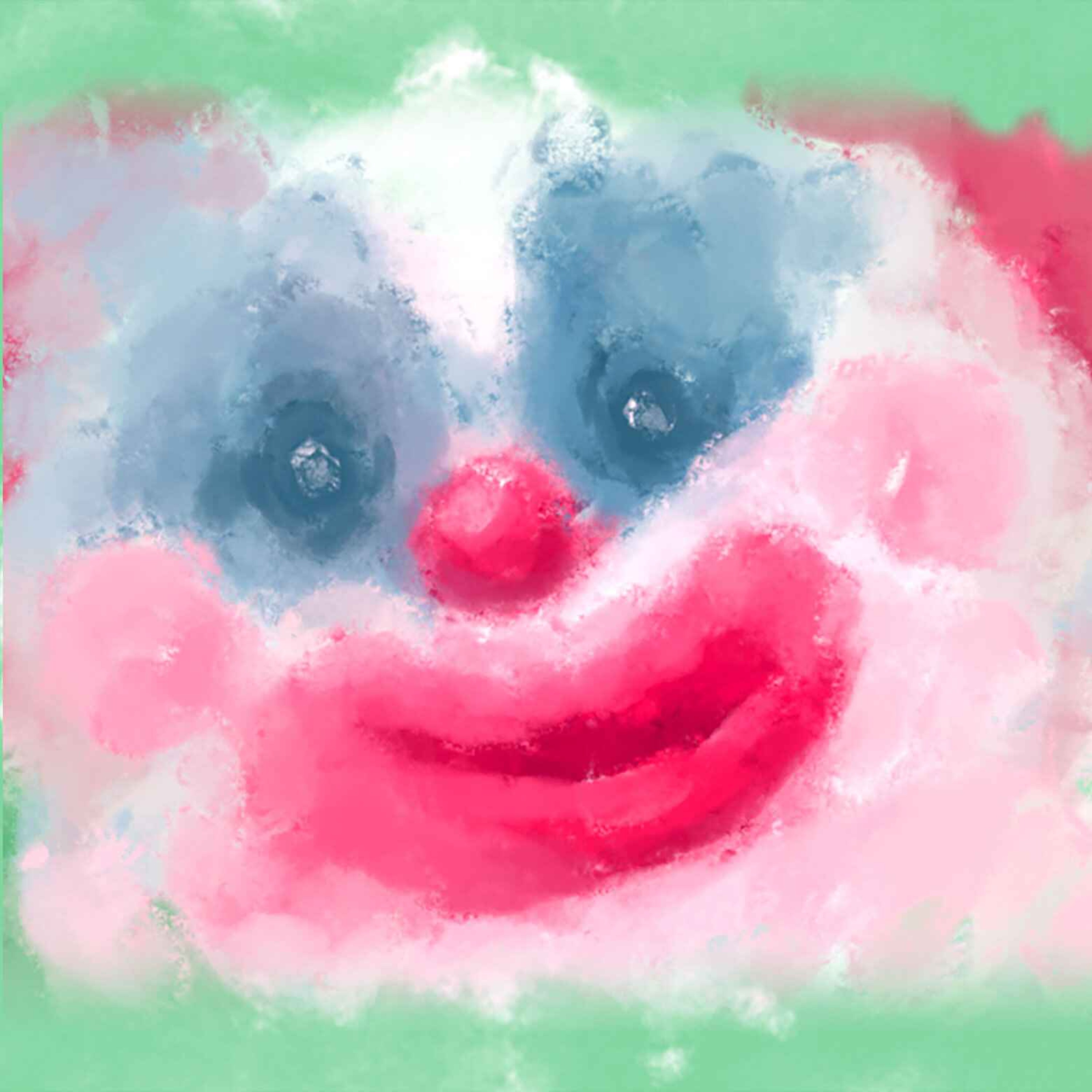
Overview of Clown Panic (Encore)
This Decoder Ring episode investigates how clowns — once associated with circuses, birthday parties, and harmless mischief — became one of the most unsettling figures in American pop culture. Willa Paskin traces the evolution from traditional clowning to the modern “killer clown,” showing that the fear of clowns is tied not just to horror media, but to changes in entertainment, marketing, television, and the way we read performance itself.
Main Question: Why Did Clowns Get Creepy?
The episode argues that creepy clowns are not a complete departure from “real” clowns, but an amplification of something that was always there:
- Clowns have always balanced comedy and menace, joy and discomfort.
- Their makeup, mask-like appearance, and exaggerated behavior naturally create uncertainty.
- Modern media turned that uncertainty into fear by focusing attention on the person behind the makeup.
In short: scary clowns became compelling because they expose the hidden ambiguity in clowning.
The “Phantom Clown” Panic
A major thread in the episode is the 2016 clown panic, when reports of creepy clown sightings spread across the U.S.
What happened
- People reported clowns lurking in woods, near schools, and around neighborhoods.
- Some sightings were hoaxes, pranks, or social-media-fueled copycat behavior.
- Others involved real crimes, threats, or weapon-carrying pranksters.
Why it spread
- Media coverage amplified the reports.
- Social media turned isolated incidents into a national phenomenon.
- The panic inspired real people to dress as clowns for attention, fear, or mischief.
The episode also revisits earlier “phantom clown” scares from the early 1980s, which similarly involved reported sightings that police often could not verify.
The Jonathan Martin Story
The episode opens with the case of Jonathan Martin, who was arrested in Kentucky in 2016 after wearing a scary clown costume in public.
Key point:
- Martin said he was trying to entertain his young daughter, not terrorize anyone.
- Police treated him as a threat during the height of the clown panic.
- His arrest became symbolic of how quickly clown costumes had shifted from playful to suspicious.
The story underscores how context changed everything: the same costume could read as innocent, absurd, or dangerous depending on the moment.
The History of Clowns: Not Always Happy
The episode strongly pushes back against the idea that clowns were ever purely cheerful.
Historical roots
- Modern clowning traces partly to 16th-century commedia dell’arte.
- Clowns historically included tricksters, fools, and subversive figures.
- They were often sad, cruel, poetic, or chaotic rather than simply “funny.”
Notable figures and examples
- Joseph Grimaldi helped define the white-faced clown but lived a tragic life.
- Emmett Kelly embodied the sad, weary clown.
- Pagliacci, He Who Gets Slapped, and The Man Who Laughs all show how clown imagery has long been linked to heartbreak, violence, and unease.
- The episode notes the complicated, thorny relationship between clowning, minstrelsy, and race.
Takeaway: the “happy clown” is a relatively modern simplification.
How Circus and Television Changed Clowns
Two major developments reshaped public perception.
1. The circus became child-centered
- Early circuses were adult entertainment.
- In the late 19th century, promoters increasingly marketed them as family entertainment.
- Clowns were softened into kid-friendly comic relief.
2. Television made clowns ubiquitous
- Characters like Bozo the Clown and Ronald McDonald made clowns highly visible and commercially useful.
- These clowns were cheerful, branded, and omnipresent.
- But their forced cheerfulness also made them feel artificial and uncanny.
This is one of the episode’s central arguments: when clowns became overly sanitized and cheerful, they became ripe for backlash.
John Wayne Gacy and the Horror Turn
The episode identifies John Wayne Gacy as a major cultural inflection point.
- Gacy had performed as “Pogo the Clown.”
- Media coverage repeatedly emphasized this detail.
- His clown persona became impossible to separate from his crimes.
Soon after, horror culture seized on the clown figure:
- Poltergeist (evil clown doll)
- Stephen King’s It and Pennywise
- Later versions of the Joker
- A flood of films, pranks, and internet videos featuring evil clowns
The result: scary clowns became a mainstream horror staple.
The Dark Side of Humor
The episode doesn’t treat scary clowns as purely pathological. It suggests they appeal because they tap into a darker kind of comedy:
- Humor can be cruel, transgressive, and frightening.
- People enjoy pranks and scares because they blur the line between laughter and discomfort.
- Scary clown content thrives because millions of people find it entertaining.
That means the scary clown is not just an enemy of the happy clown — it’s an evolution of the same impulse to provoke and amuse.
Working Clowns Push Back
The episode also gives voice to professional clowns who are harmed by the scary-clown trend.
Their concerns
- People now associate clowns with danger instead of charity, performance, or joy.
- Work for hospital clowns, birthday clowns, and circus performers has declined.
- 2016 was especially damaging; some groups saw business dry up.
Their response
- Some clowns now carry cards explaining what clowns are and are not.
- They emphasize service, community, and emotional care.
- They see clowning as a way to bring empathy, laughter, and imagination into people’s lives.
The Episode’s Bigger Thesis
The episode lands on a nuanced conclusion:
- Scary clowns are not simply a corruption of “good” clowns.
- They are part of a longer tradition of clowning as ambiguous, disruptive, and human.
- Modern culture may actually prefer the unsettling, ironic, and exaggerated version of clowning over the old cheerful ideal.
Final idea
Clowns reflect us:
- ridiculous
- beautiful
- confused
- vulnerable
- contradictory
The scary clown, in that sense, is not the death of clowning — it may be a return to its older, more adult form.
Notable Takeaways
- Clowns have always been more complex than their “happy” image suggests.
- Television and branding made clowns more visible but also more artificial.
- Horror media and real-life pranks turned clown imagery into a fear symbol.
- The fear of clowns reveals cultural discomfort with forced happiness, masks, and hidden intent.
- Professional clowns are still trying to preserve the positive social value of clowning.
Credits and Series Context
This is an encore episode of Decoder Ring, hosted by Willa Paskin, revisiting one of the show’s earlier cultural investigations. The episode blends history, pop culture, true crime, and interviews to explain why clowns became one of the most enduring modern symbols of unease.