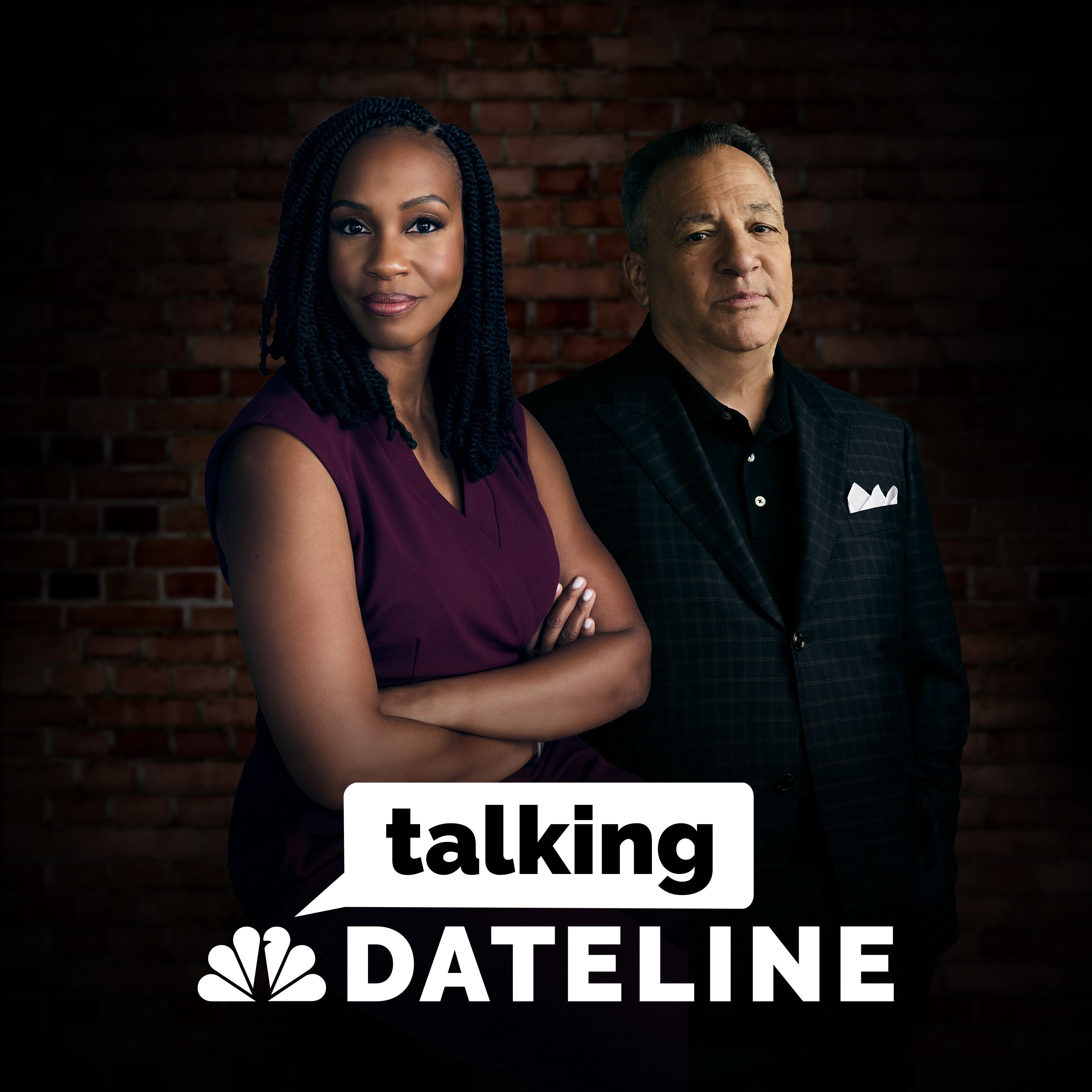
Overview of Talking Dateline: Deadly Detour
This episode of Talking Dateline (hosts Blaine Alexander and Josh Mankiewicz) reviews Dateline’s episode "Deadly Detour," which retells the 2016 shooting of Diane McIver in a car by her husband, prominent Atlanta attorney Robert "Tex" McIver. The conversation summarizes the incident, key evidence and trial theatrics, jurors’ deliberations (an extra juror clip is included), post-trial developments, and audience questions about intent, guns, and why the case played out as it did. The full Dateline episode is available on Peacock and the Dateline podcast feed.
Key takeaways
- Incident: Tex McIver shot his wife Diane while riding in a car; Dani Jo (a friend) was driving. Diane’s last words — “Tex, I think you shot me” — are central to the story.
- Tex’s explanation: he claimed he felt threatened, took a gun into the backseat, possibly dozed, and the gun discharged accidentally.
- Guns and mechanics: a firearms expert demonstrated the handgun is not a hair-trigger; substantial pressure is required to fire.
- Trial outcome: jurors convicted Tex of a felony-related killing (not malice murder). That conviction was later overturned; Tex ultimately pleaded guilty to involuntary manslaughter in 2022 and was released on parole (in his early 80s).
- Jury dynamics: jurors struggled with intent—many believed he shot her but could not unanimously find malice; they wished they’d been able to consider involuntary manslaughter as an option at the original trial.
- Characters & theater: the trial featured memorable personalities (prosecutor Clint Rucker used a mason-jar “muddy water” prop in closing; defense attorney Bruce Harvey wore a “13½” monogram representing “12 jurors, one judge, half a chance”).
Case timeline (concise)
- Weekend at rural property outside Atlanta; returning to the city when incident occurred after exiting the freeway.
- Shooting occurs in the car; Dani Jo drives victims to Emory Hospital (skipping a closer trauma center).
- Diane McIver dies from the gunshot wound.
- Initial charges, trial with high-profile prosecution and defense.
- Conviction for a lesser felony-related killing (jury declined to convict on malice murder).
- Conviction overturned (2022); Tex pleads to involuntary manslaughter and is released on parole.
Evidence, forensics, and trial theatrics
- Firearms test: expert showed the same gun model requires a deliberate trigger pull—argument used by both sides to argue accident vs. intent.
- Medical testimony: defense presented evidence of Tex’s sleep disturbances as a possible explanation for an accidental discharge; jurors ultimately discounted some of that testimony when considering malice.
- Prosecutorial theater: Clint Rucker’s mason-jar prop (muddy water) to illustrate how evidence becomes clear over time in closing arguments.
- Defense branding: Bruce Harvey’s “13½” monogram as a symbolic riff on defense odds and jury dynamics.
Jurors’ perspective (from extra clip)
- Early deliberation split: initial informal tally was 5 guilty (malice) vs. 7 for lesser charges; jurors felt something had happened but disagreed on what.
- Emotions ran high: yelling, crying, people storming out; a pivotal moment came when jurors reviewed testimony that Tex admitted to holding the gun and then saying it “went off.”
- Final view: jurors concluded there was intent to shoot (aggravated assault), but reasonable doubt about intent to murder—hence the lesser conviction.
- Jurors expressed frustration at not having involuntary manslaughter as an option to precisely match the feelings many had about the case.
Major characters discussed
- Tex McIver: well-known Atlanta attorney, defendant.
- Diane McIver: victim, business figure in Atlanta.
- Dani Jo: friend and driver; candid witness who did not corroborate a conspiracy or cover-up and appeared emotionally affected when learning Diane died.
- Clint Rucker: lead prosecutor (used symbolic props in closing).
- Bruce Harvey: defense attorney known for his courtroom persona and the “13½” motif.
Audience questions & hosts’ responses (high-level)
- Could this have been a spontaneous decision (no planning)? Hosts and jurors noted no single theory perfectly fits all facts; many possibilities (accident, spur-of-the-moment act, deliberate plan) were considered.
- Why drive so far to Emory instead of a closer trauma center? Jurors and the episode probe how that choice affected perceptions but also acknowledge Atlanta traffic and the stress of the moment as factors.
- Why didn’t jurors accept the sleep-disturbance defense fully? Jurors felt the defendant’s own admission that he had the gun and that it “went off” weakened the accidental/medical explanation for malice-level charges.
- How did grief and behavior after the death factor in? Public and legal scrutiny of behaviors (e.g., selling possessions quickly) often influences perception; Josh notes that how people grieve can be a major part of investigative narratives.
Notable quotes & moments
- Diane McIver — “Tex, I think you shot me.” (critical turning point)
- Prosecutor’s visual: mason jar of muddy water settling to demonstrate clarity after the case is examined.
- Defense motif: “13 and a half” (Bruce Harvey’s monogram) — “12 jurors, one judge, half a chance.”
- Juror reflection: “We were 12 grown people... how come we couldn't come to a decision?” — capturing the strain of deliberations.
Where to watch/listen & related recommendations
- Dateline episode “Deadly Detour” — available on Peacock and the Dateline podcast feed.
- Extra juror-clip and Q&A are included in the Talking Dateline episode/podcast.
- Josh Mankiewicz’s related podcast mentioned: Trace of Suspicion (covers how grief and behavior factor into suspicion).
Why this episode matters
- It’s a clear example of how intent (malice) vs. accident is litigated in high-profile cases, and how courtroom theatrics, juror instructions/options, and available charges can determine outcomes.
- Demonstrates the interplay of forensic demonstration, witness credibility (Dani Jo), local context (Atlanta traffic, rural property), and legal strategy.
- Raises broader questions about how juries interpret grief, circumstantial evidence, and the limits of charging options in criminal trials.
If you want the episode’s timestamps or direct links to the Dateline episode and the juror clip, watch the Dateline NBC feed on Peacock or the Dateline podcast — both include the full documentary and Talking Dateline companion material.