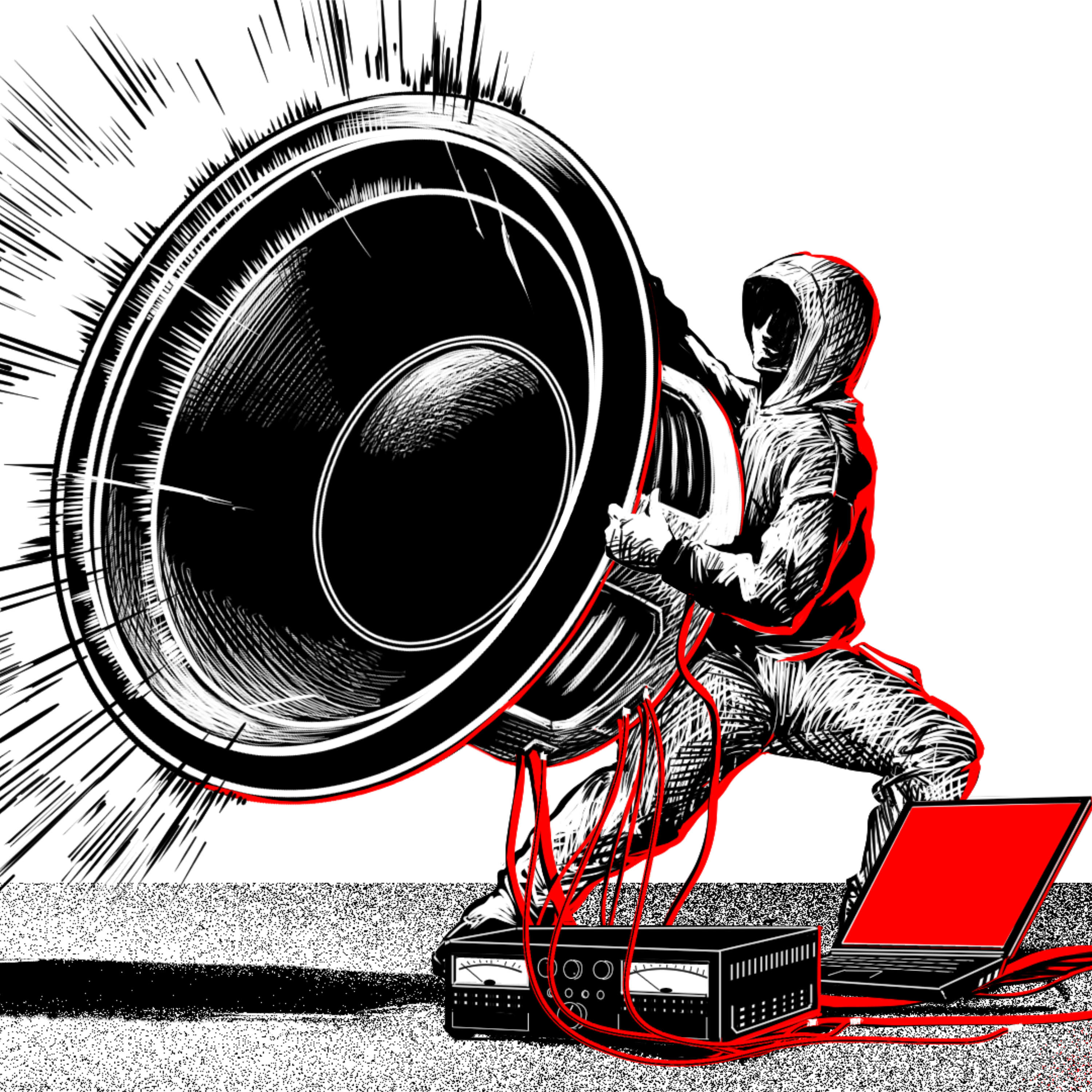
Overview of 171: Melody Fraud
This episode of Darknet Diaries (host Jack Rhysider) interviews Andrew, co‑founder of a company originally built to use blockchain to audit music streams. The project pivoted when Andrew discovered massive, sophisticated fraud in music streaming—ranging from simple credential stuffing to industrialized streaming farms, hacked devices (even prison tablets), and money‑laundering rings. The conversation covers Andrew’s early gray/black‑hat growth tactics, how streaming fraud works, how his company detects and remediates it, and broader ethical and security implications.
Key takeaways
- Music streaming payouts are calculated from one monthly revenue pool (subscriptions + ads) and distributed pro rata by total play counts. That model enables fractional theft at scale.
- Fraud in streaming is large, organized, and profitable. The transcript cites an estimate of roughly $3 billion per year being diverted to fraudulent actors.
- Fraud methods include account takeover, botnets, device‑level manipulation, hacked content feeds (altering payee metadata), and curated streaming farms that mask activity across many fake artists/distributors.
- Detection requires sophisticated, multi‑modal analytics: device fingerprinting, clustering, longitudinal modeling, and hundreds of ML/anomaly models.
- Remediation tactics include demonetizing device types, removing fraudulent content, updating charting/metrics, and packaging evidence for streaming services, distributors, and sometimes law enforcement.
- There’s a nuanced ethics debate between early growth hacking (gray/black hat marketing) and criminal laundering/fraud. Violating platform TOS is different from organized criminal activity that funds terrorism or cartels.
Notable examples & anecdotes
- Early techniques Andrew used in marketing: clickjacking Facebook “like” pixels on high‑traffic sites, ad arbitrage with fake/paid traffic, and loading muted YouTube videos in pop‑unders to push content onto YouTube’s front page.
- Discovery of fraud while building a blockchain play‑count system: clusters of accounts playing the exact same song sequences hundreds of times, plays coming from multiple countries simultaneously, or sudden play spikes at month‑end.
- Hacked music delivery feeds: attackers injected versions of the same song with different payee metadata to make themselves the payable “parent,” stealing millions over months; hundreds to thousands of artists affected.
- Prison tablets: a previously unseen device signature traced to Department of Corrections tablets was being used as a large streaming farm.
- Darkweb APIs sold access to millions of streaming accounts; services exist that spin up realistic, distributed streaming behavior on demand to avoid detection.
How streaming fraud works (mechanics)
- Payout model: one revenue pool per month → distributed based on each track/artist’s share of total streams (pro rata). Small, distributed gains across many fake artists can aggregate into large sums.
- Attack vectors:
- Account takeover: credential stuffing using breach lists; attackers log into real accounts and run a few plays so activity blends with legitimate behavior.
- Botnets and device farms: automated devices or compromised endpoints play content at scale.
- Hacked feeds/metadata tampering: changing who is marked as the beneficiary in the streaming supply chain.
- Fake catalogue + distributors: uploading millions of fake tracks across many distributors and stores to spread payouts across many entities.
- Timing tricks: concentrating streams at month‑end (e.g., days 29–31) to evade initial anomaly checks that examined the first 28 days.
- Money laundering: attackers convert money → pay farms/operations (often via crypto) → streaming payouts to controlled entities globally, effectively “washing” and moving funds.
Detection & mitigation (what Andrew’s company did)
- Data access: privileged, direct access to streaming logs (anonymized, hashed fields) across multiple services, giving a more holistic view than any single label or service.
- Models: hundreds (≈700) of models looking for patterns—device fingerprints, geolocation clusters, play sequences, unusual device types, identical behavior fingerprints, and longitudinal anomalies.
- Rich feature set: atypical device types, gyroscope/battery/orientation signals, app telemetry, cluster behavior across accounts and IPs.
- Remediation tiers:
- Daily: remove obvious fraud from recommendation/algorithmic systems (downweight).
- Weekly: update charts and front‑page rankings.
- Monthly: final payout checks and demonetization (do not pay) of identified fraudulent streams.
- Outcomes: removal/demonetization of content, takedowns by streaming platforms, and providing packaged evidence to distributors/labels or authorities for prosecution.
- Data handling policy: company avoids monetizing the streaming data (trusted source of truth), takes minimal fields required, and maintains strict security/auditing controls to retain partner trust.
Ethical & industry implications
- Gray vs black hat: early growth‑hacking tactics (clickjacking, fake likes) may violate TOS but generally weren’t criminal. Organized streaming fraud that launders money or funds criminal activity is criminal and much more severe.
- System design vulnerability: pro rata payout systems and weak cross‑platform auditing made the streaming ecosystem attractive for laundering and fraud.
- Collateral damage: legitimate artists, labels, and ad ecosystems lose revenue; streaming services risk hosting content that funds illegal activity.
- Trust and privacy: platforms collect rich telemetry (sometimes gyroscope, battery, orientation) that improves fraud detection but raises privacy concerns; providers claim strong security and limited, audited sharing.
Practical recommendations
For individual users
- Use unique passwords per service and a password manager; enable multi‑factor authentication (MFA) where available.
- Monitor account activity and login sessions; immediately change credentials if suspicious plays or recommendations appear.
- Use separate emails (or aliases) for different services to reduce credential reuse exposure.
For streaming platforms & industry
- Invest in cross‑platform, third‑party fraud monitoring with holistic visibility across services and distributors.
- Improve supply‑chain verification: stronger authentication for content ingestion, stricter distributor vetting, and tamperproof metadata verification (fingerprinting).
- Adopt longitudinal detection (not just first‑n‑day rules) and tailor checks to account for end‑of‑month timing tricks.
- Tighten partner contracts: restrict what telemetry is shared, ensure minimal necessary data, and mandate fraud remediation cooperation.
For advertisers and labels
- Demand auditable metrics and third‑party verification when paying for streams or using streaming metrics for commercial deals.
- Favor partners and distributors that can demonstrate robust fraud prevention and transparent payout trails.
Notable quotes
- Jack (intro reflection): “Go ahead and fake it. You can lie to yourself if you want because sometimes the greatest lies are the ones that propel us towards our truest selves.”
- Andrew on the industry pivot: “If we're supposed to be the trusted source of truth of how many times a song is played, and we're just telling you a song was played, we're not actually telling you the intent behind the play.”
Conclusion
“Melody Fraud” exposes how an apparently innocuous digital metric—stream counts—became an exploitable economic vector. The episode shows how clever attackers combine basic account compromise, device manipulation, metadata tampering, and industrialized farm services to siphon real money from artists and platforms, and even to launder funds globally. Detection is possible but requires privileged data access, multi‑modal analytics, and cooperation across streaming services, distributors, and labels. The story blurs the line between early growth hacking and outright criminal activity—and underscores the need for better security, auditing, and user hygiene across the digital content economy.