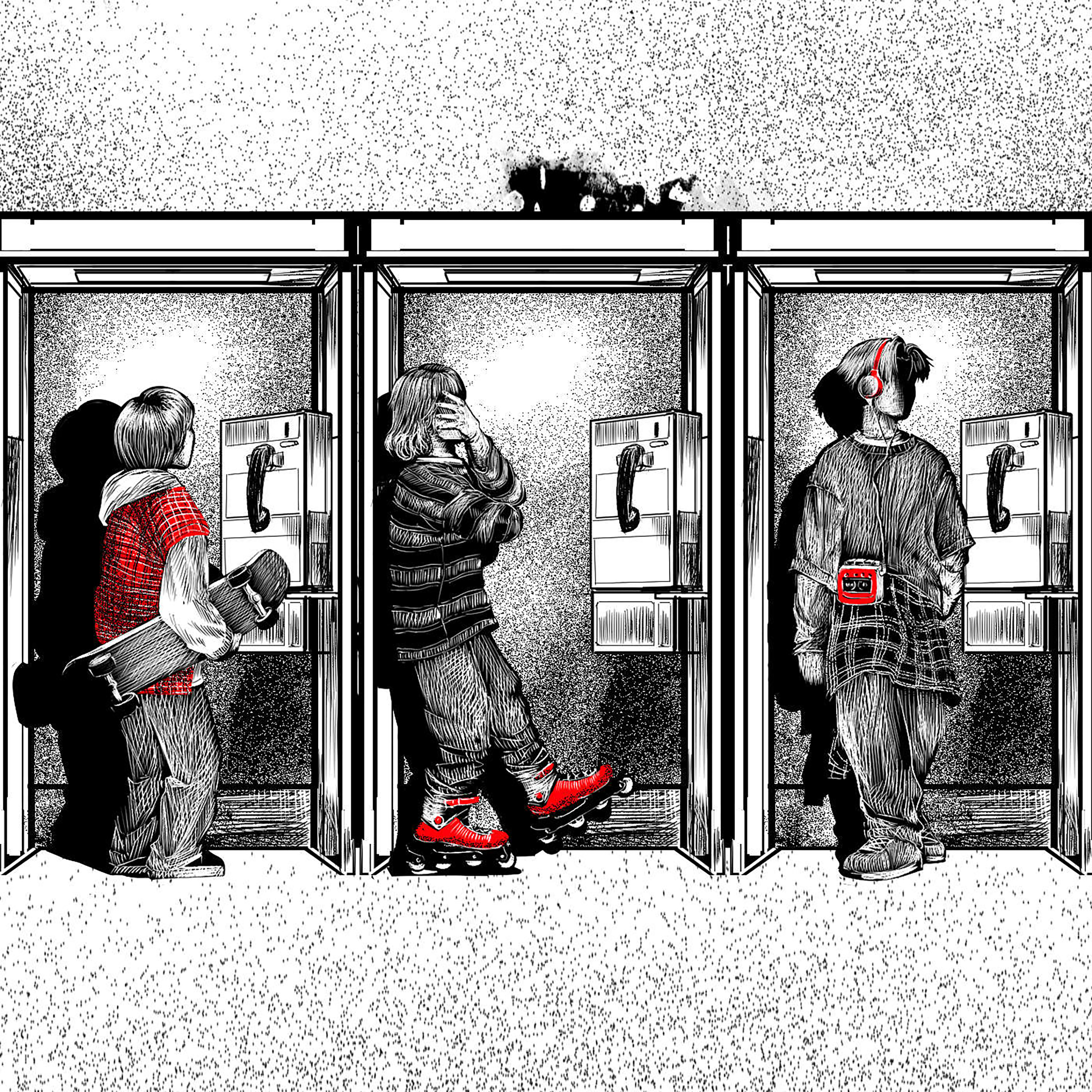
Overview of 168: LoD (Darknet Diaries — Jack Rhysider)
This episode (part one of two) traces the rise of 1980s phone- and computer-hacking culture, centering on phreaking, underground zines/BBSes, and the formation and notoriety of the Legion of Doom (LOD). Jack Rhysider weaves historical context (Esquire and Ramparts articles, blue boxes, Apple IIe/BBS nostalgia) with specific stories about war‑dialing, trashing (dumpster‑diving for manuals), leaks (the E911 BellSouth document), early hacker magazines (Phrack), and growing law‑enforcement responses that culminate in major legal changes (CCCA → CFAA) and high‑profile investigations. The episode ends on the January 15, 1990 AT&T outage, setting up part two.
Key events & timeline
- 1971: Esquire article popularizes phreaking (blue boxes) and inspires a phreaking boom — Steve Wozniak & Steve Jobs built/sold blue boxes before Apple.
- Early 1970s–1980s: Ramparts publishes "How to Hack the Phone Company in Your Home" (mute box schematics); police pressure forces recall; highlights tension between press/free speech and telecom companies.
- 1980s: BBSs (bulletin board systems) are primary online gathering places; war‑dialing and trashing are common ways to discover and document systems.
- 1984: Breakup of AT&T creates fragmentation and new attack surfaces; surge in hacker interest.
- 1985: Phrack (underground e‑zine) launches, circulating technical guides and controversial material via BBS networks.
- Summer 1984: Nine hackers form the Legion of Doom (LOD) to collect and publish telecom documentation (LOD tech journals).
- Mid–late 1980s: LOD grows influential—trafficking in manuals, switch notes, and phone‑company documentation. Trashing yields valuable manuals.
- 1984–1986: U.S. government begins criminalizing computer access (Comprehensive Crime Control Act, 1984) and later expands scope with the Computer Fraud and Abuse Act (CFAA, 1986).
- Late 1980s: Sting BBSes and undercover ops by law enforcement (e.g., Underground Tunnel, The Phone Company, Secret Service sting at SummerCon) attempt to entrap or monitor the scene.
- Feb 1989: Phrack publishes a redacted BellSouth E911 manual (copied by a member of the underground), drawing heavy attention from telcos and law enforcement.
- July 1989: Phone reroute prank (probation department routed to a phone‑sex line) leads to major intrusion investigations; informants (e.g., “Fry Guy”) complicate investigations.
- Jan 15, 1990: Massive AT&T outage (60,000+ customers impacted; ~70 million calls affected). Authorities suspect malicious action and target groups like LOD — episode ends here, leading into part two.
Main themes & takeaways
- Curiosity vs. criminality: Many 1980s phreakers/hackers framed their activities as exploration, research, and information liberation rather than theft or vandalism. The culture prized access, knowledge-sharing, and technical mastery.
- Anti‑establishment ethos: Hacker/phreaker culture was steeped in punk/anarchist attitudes (Anarchist Cookbook, Steal This Book), distrust of big telcos, and DIY ethics.
- Information scarcity shaped behavior: Lack of public documentation, no Google/YouTube, and locked vendor manuals incentivized trashing, copying, and underground sharing of technical documentation.
- Law enforcement overreach and misunderstanding: Police, Secret Service, and telco security often mischaracterized young participants as national threats, mounting operations (sting BBSes, undercover moles) with uneven results.
- Legal shift & unintended consequences: The CFAA (1986) introduced vague language ("access without authorization" and "exceeds authorized access") that criminalized many previously tolerated behaviors and gave prosecutors broad discretion—still controversial today.
- Ethics remain unsettled: The episode repeatedly asks whether copying/accessing manuals and minor pranks constitutes theft or public good — a core tension in hacker history.
Notable people, groups & jargon
- Loyd (Loyd) Blankenship — author of "The Hacker Manifesto" (aka The Mentor).
- Legion of Doom (LOD) — influential 1980s hacker group that curated telecom documentation and published LOD tech journals.
- Phrack — underground hacker e‑zine (text‑file based) that published guides, leaks, and opinion pieces.
- Notable aliases mentioned: Lex Luthor, FiberOptic, Control‑C, Prophet, WASP, Fry Guy (examples of handles in the scene).
- Techniques/terms:
- Phreaking (phone hacking): blue box, mute box, war‑dialing.
- Trashing: dumpster‑diving for manuals and internal docs.
- BBS: Bulletin Board System — pre‑web online forums you accessed by dialing.
- Stingboard: law‑enforcement‑operated BBS set up to entrap users.
- Honeypot: a system used to attract and monitor attackers.
- E911 file: BellSouth emergency‑service manual that was copied and later published in Phrack.
- CFAA: Computer Fraud and Abuse Act (1986).
Legal & cultural impact
- Ramparts/Press vs. Telecoms: Ramparts' forced recall after publishing schematics demonstrates early clashes over publishing "how‑to" technical content; raises First Amendment vs. "devices to defraud" legal limits.
- Criminalization trajectory: Before 1984–86 many hacker activities were legal or unenforced; the CCCA and especially the CFAA rapidly expanded prosecutorial reach and turned youthful exploration into federal offenses.
- Law enforcement tactics: Sting BBSes, undercover operatives at conferences, hotel surveillance and informants exemplify aggressive tactics often used despite cultural ignorance of hacking norms.
- Long‑term legacy: CFAA's vague wording continues to be a flashpoint; many modern prosecutions trace lineage to these laws. The episode frames the LOD era as formative to hacker culture and to how authorities perceived cyber‑threats.
Notable quotes & moments
- Excerpt from "The Hacker Manifesto" (Loyd Blankenship): "My crime is that of curiosity... I'm a hacker, and this is my manifesto. You may stop this individual, but you can't stop us all."
- Jack Rhysider: "The dial tone was the sound of potential." — captures the 1980s sense of aliveness and discovery when connecting to networks.
- Phrack excerpt describing LOD’s philosophy: LOD "may have peeped into credit histories... May still have total control over entire computer networks — but what damage have they done? None, with the exception of unpaid use of CPU time and network access charges."
- On the CFAA: The episode emphasizes how the phrase "exceeds authorized access" created a sweeping, ambiguous standard that can criminalize everyday actions.
Recommended follow‑ups (for context & deeper reading)
- Bruce Sterling — The Hacker Crackdown (history of 80s/90s hacker prosecutions and culture).
- Read "The Hacker Manifesto" (Loyd Blankenship / The Mentor).
- Research Phrack magazine archives (primary source for 1980s underground writing).
- Learn about the CFAA and contemporary debates over its scope and reform efforts.
Part two of this story continues in the next episode, where investigations, prosecutions, and the clash between LOD and another group (Masters of Deception) escalate and law enforcement actions intensify.