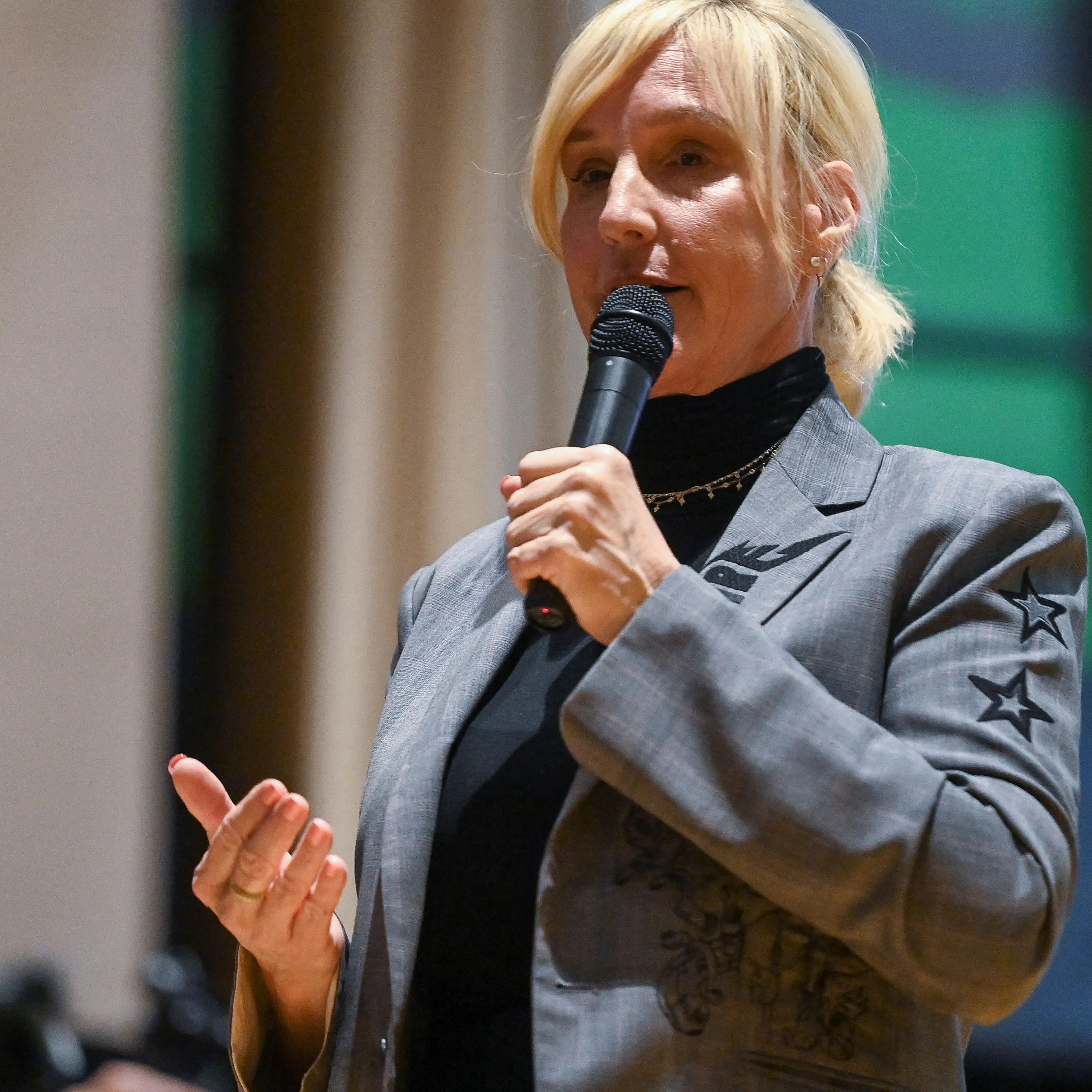
Overview of One Thing: Why Erin Brockovich is Setting Her Sights on AI Data Centers
This episode examines the growing backlash against AI data centers across the U.S., especially in Virginia, where residents say massive new facilities are disrupting neighborhoods, straining water supplies, and being approved without meaningful public input. CNN’s David Rind speaks with longtime activist Erin Brockovich, who has launched a crowdsourced map to document where data centers are being built and to connect communities facing the same fight. Brockovich argues this is less about being “anti-AI” and more about transparency, zoning, and residents having a real seat at the table.
Main Takeaways
- Data centers are spreading rapidly, with Virginia becoming a major hub and Prince William County a flashpoint.
- Residents’ biggest concerns are water use, noise, secrecy, land clearing, and lack of notice.
- Erin Brockovich sees a familiar pattern: communities independently assume they’re alone until they realize the problem is widespread.
- The fight is becoming bipartisan, with people across the country pushing for moratoriums, delays, and environmental reviews.
- Brockovich is not ضد AI itself; she says the issue is where and how data centers are placed, and whether communities are informed and included.
- Some local victories are already happening, including delayed permits, moratoriums, and a canceled project near Manassas National Battlefield Park.
What’s Happening in Virginia
Prince William County as a Case Study
- Resident Elizabeth Martirana shows how close multiple data centers are to her home, with dozens already built, under construction, or planned nearby.
- She says the facilities are:
- noisy 24/7,
- consuming land and forests,
- increasing diesel generator traffic,
- and affecting local water and quality of life.
- She and other residents believe county leaders and developers moved too quickly and without proper community input.
A Major Local Victory
- County officials abandoned a planned complex of 37 data centers near Manassas National Battlefield Park after a lengthy legal battle.
- Brockovich highlighted this as proof that organized community pressure can work.
- The project’s future is still uncertain because one developer appealed the ruling.
Erin Brockovich’s New Campaign
The Crowdsourced Data Center Map
- Brockovich launched “Brockovich AI Data Center Reporting”, a map where residents can self-report:
- existing data centers,
- proposed sites,
- construction status,
- water issues,
- noise,
- environmental damage,
- and community opposition.
- The map quickly became a major repository of complaints and reports, with 5,384 submissions at the time of the interview and growing fast.
Why She Created It
- Brockovich says the map helps people realize:
- they are not alone,
- similar fights are happening everywhere,
- and communities can organize state-to-state and county-to-county.
- She says the goal is to make the “big picture” visible and help residents coordinate action.
Key Concerns Raised by Residents
Water and Environmental Impact
- The top concern is water usage.
- Residents report:
- drilling new wells,
- lower water pressure,
- tree and habitat loss,
- and forest clearing.
- Brockovich says many communities feel their “sanctuary” and wildlife are being sacrificed.
Secrecy and NDAs
- A major source of anger is that local leaders allegedly signed non-disclosure agreements during planning.
- Residents say decisions were made “in secrecy” or “in the dark of night.”
- Meta said confidentiality agreements are standard and do not prevent public discussion of key issues.
- Microsoft said it stopped using NDAs with local governments in January to improve transparency.
- Amazon, Google, xAI, and Vantage did not respond to the show’s request for comment.
Brockovich’s View on AI and Regulation
Not Anti-AI, Anti-Exclusion
- Brockovich repeatedly says the issue is not AI as a technology.
- She describes AI as a useful tool and encourages people to use it, along with critical thinking.
- Her concern is that data centers are being built without community consent or adequate environmental review.
Why She Pushes Back on “Move Fast” Arguments
- Tech companies argue regulation slows innovation and that data centers are essential for economic competitiveness and national security.
- Brockovich responds that companies should not “bulldoze” local communities.
- She argues that people will accept change more readily if they are informed, heard, and allowed to negotiate boundaries.
Broader Cultural and Political Context
- The episode notes wider anxiety about AI, including a warning from Pope Leo about the technology’s role in conflict.
- It also references a wave of public skepticism toward AI, including student pushback at graduation speeches.
- Gallup polling cited in the episode found more than two-thirds of Americans oppose data center construction, with women especially opposed.
Brockovich’s Final Message
- Brockovich says this moment feels different from past fights because it is nationwide and bipartisan.
- Her central message: “Superman’s not coming.”
- Communities need to stand up, speak out, and fight for themselves.
- She sees current delays and permit pauses as meaningful wins, even if they are not permanent rejections.
Bottom Line
This episode frames AI data centers as the latest environmental and civic flashpoint: not a debate about whether AI should exist, but about who pays the costs, who gets listened to, and whether local communities have any real power over what gets built in their backyards. Erin Brockovich is positioning the issue as a grassroots fight for transparency, environmental protection, and public participation.