Overview of 991 - Occupation: Public Figure feat. Seth Harp (12/1/25)
This episode of Chapo Trap House features guest Seth Harp and covers three main threads: the Thanksgiving‑Eve National Guard shooting in Washington, D.C. involving an Afghan Special Immigrant Visa (SIV) recipient who served in Kandahar “zero units”; recent U.S. strikes on suspected drug boats in the Caribbean and the legal/ethical fallout; and cultural/media controversies (Barry Weiss’s CBS hire and a TPUSA college‑essay incident). The hosts contextualize the shooting within U.S. covert‑war practices, trace blowback (including drug supply chains and veterans’ resettlement problems), condemn recent kill orders at sea, and lampoon performative conservative media stunts.
National Guard shooting, “zero units,” and Afghan SIV veterans
What happened
- A man (an Afghan who received an SIV after Kabul’s fall) shot two National Guard soldiers near the White House; one died. Details about his life in the U.S. are scarce.
- He was resettled in Bellingham, Washington, worked for Amazon Flex, and reportedly spoke little English. Rolling Stone reporting cited financial pressures and possible mental-health issues.
Background: “zero units” / Kandahar Strike Force
- “Zero units” (aka Kandahar Strike Force / Kandahar NDS teams) are described as CIA/JSOC‑linked militias used in targeted killings, night raids, and extra‑legal operations—compared to Phoenix program–style death squads.
- These teams were often staffed by JSOC operators but deniably linked to the CIA to circumvent military regulations.
- Ahmed Wali Karzai is named as a key CIA asset who ran Kandahar operations; the Kandahar unit is tied to large‑scale drug trafficking and criminality.
Key facts & claims
- ProPublica (Lindsay Billing) and The Intercept have done the most detailed reporting on zero units.
- An estimated ~10,000 Afghan zero‑unit veterans were resettled in the U.S. on SIVs—many dependent on former handlers for status and support.
- Kandahar region’s wartime opium/heroin production once accounted for a huge share of global supply (hosts cite “~90%” as contextual figure).
Notable quotes from the episode
- The unit is described bluntly as “CIA and JSOC death squads.”
- A reported line from another Afghan veteran: “I’m working nine or 10 years with the U.S. government and they never answer my phone call.”
- Comparison to Cuban “gusanos” (Bay of Pigs veterans) used by CIA in off‑book operations post‑failure.
Implications & concerns
- Neglecting and poorly integrating former covert assets creates risk of violent incidents and political blowback.
- The episode stresses the distinction between criticism of this specific cohort and broader anti‑immigrant rhetoric—framing the problem as a national-security and accountability failure.
- Hosts warn of long‑term ramifications (domestic security problems, potential stigmatization of veterans, and moral/political fallout).
Similar incidents and the domestic aftermath of covert wars
- Another cited case: Jamal Wally (earlier this year) — breakdown caught on video during a traffic stop; hosts note his military‑style weapon use and practiced marksmanship, interpreted as evidence of heavy combat conditioning.
- Theme: people conditioned to be “judge, jury, executioner” abroad struggle with civilian life and U.S. bureaucracy, producing risks of violent outbursts.
- Discussion links wartime tactics (night raids, arbitrary killings) to local rejection of U.S. client government and to the broader loss of legitimacy in Afghanistan.
Caribbean / Latin America: strikes on drug boats, “kill everyone” controversy
What occurred
- U.S. forces (or forces acting with U.S. support) have been striking fast boats in the Caribbean, reportedly killing many suspected traffickers.
- Hosts discuss a report that Pete Hegseth ordered to “kill everyone,” with documented double‑tap strikes that allegedly killed survivors clinging to wreckage.
Legal and ethical critique
- Hosts argue these orders contravene U.S. law and international law (killing unarmed survivors is unlawful).
- Comparison to historical conduct: even WWII U‑boat commanders often spared survivors; the episode calls explicit “kill” orders especially egregious.
Broader geopolitical context
- The strikes and rhetoric (e.g., Lindsey Graham calling Venezuela a “drug caliphate”) are tied to escalating pressure on Venezuela, but speakers doubt a full invasion is feasible or likely.
- The hosts see a pattern of U.S. hypocrisy: the U.S. has long supported problematic regional actors (e.g., Juan Orlando Hernandez in Honduras) while using drug‑war rhetoric selectively.
- Concerns about normalization of illegal killings, shrinking legal/ethical constraints on military action, resignations and internal dissent in the military, and possible future accountability if political power shifts.
Media culture and conservative counterprogramming
Barry Weiss at CBS
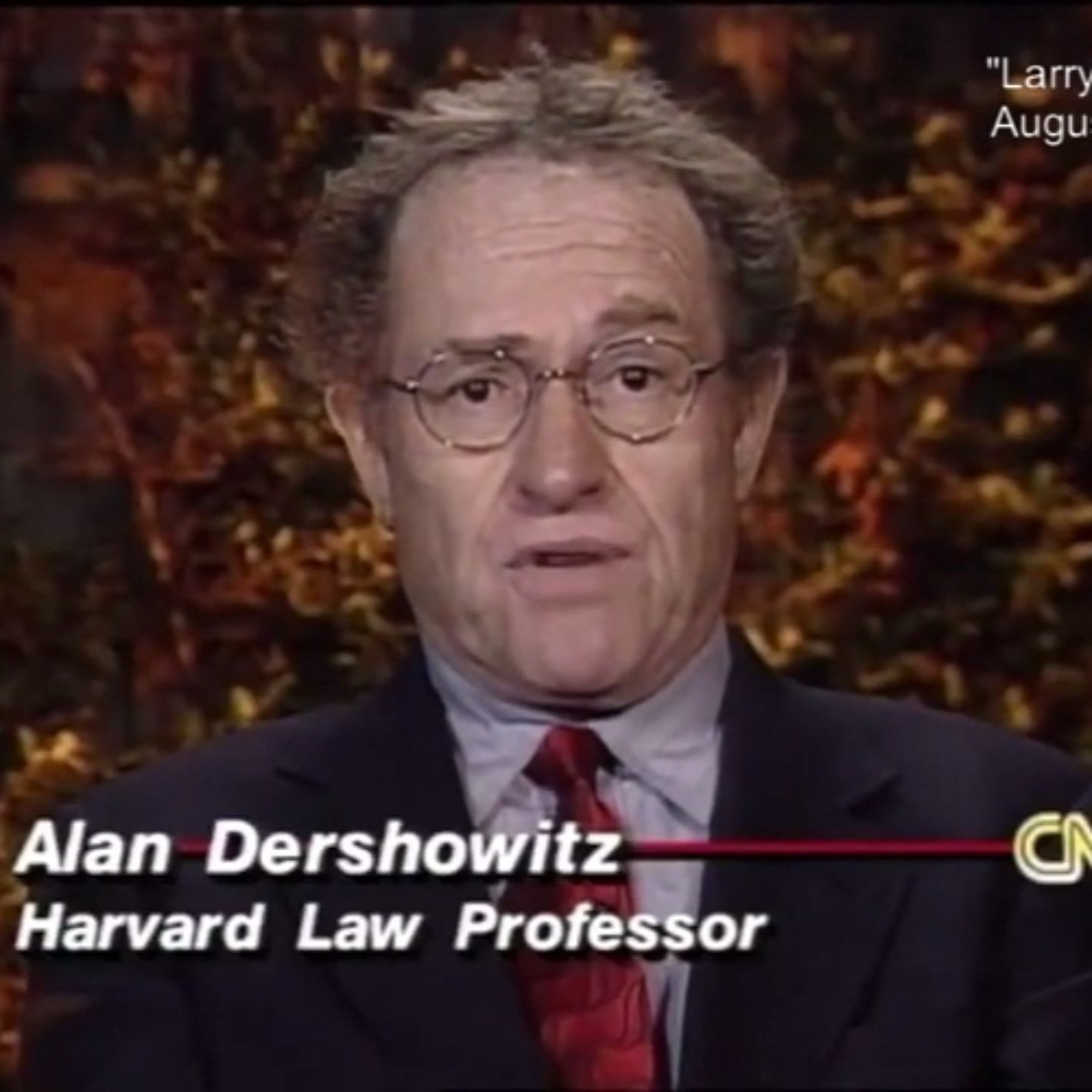
- Barry Weiss announced plans to “redraw the lines” of acceptable debate, aiming to sideline figures like Hassan Piker, Tucker Carlson, and Nick Fuentes and instead elevate people such as Alan Dershowitz and Dana Loesch.
- Hosts mock the idea (particularly elevating Dershowitz) and question whether those choices actually represent a “charismatic” or credible center.
Critique
- The segment frames Weiss’s hire as a show of elite control and staged “rehabilitation” of certain political narratives rather than an organic media realignment.
- Hosts are skeptical that this move will change youth audiences or meaningfully counter right‑wing media influence.
TPUSA college‑essay controversy and cultural commentary
The incident
- A student at Oklahoma (recruited athlete) turned in a short opinion essay about gender roles that the class/professor graded poorly; TPUSA publicized it, creating a national controversy.
- The student’s mother (Christy Fullnuck / Fullnecky in the transcript) is characterized as a “public figure” and a conservative movement stage mom (hosts mock her LinkedIn listing and legal threats to critics).
Hosts’ take
- Hosts ridicule the essay’s writing and arguments (quoting the student’s Genesis‑based claims) and use the episode to critique the performative martyrdom pipeline for conservative youth figures.
- Broader theme: a critique of declining standards of discourse and an increase in politically profitable “stunt” controversies.
Notable takeaways and resources
- Takeaways:
- The National Guard shooting highlights unresolved consequences of covert warfare: displaced, trained killers with poor post‑resettlement support.
- “Zero units” represent a morally and legally fraught model of covert warfare with long domestic and international consequences.
- Recent Caribbean strikes and reported “kill” orders escalate the erosion of legal norms in U.S. foreign operations and invite domestic backlash.
- Media moves (Weiss at CBS) and manufactured culture‑wars controversies reveal elite attempts to manage public discourse and the performative politics of grievance.
- Recommended further reading (as referenced in episode):
- ProPublica reporting on “zero units” (Lindsay Billing).
- The Intercept’s coverage of covert Afghan militias.
- Rolling Stone’s coverage of the shooter’s background.
Closing notes
- Guest: Seth Harp.
- Episode blends investigative context (covert war mechanisms, drug trade ties) with cultural critique and satire.
- Hosts emphasize accountability for intelligence/military practices, worry about lawlessness at command levels, and connect imperial practices abroad to domestic harms (drug crises, violent incidents, political polarization).